


Ready to leave your mark on the sports industry? If you are passionate about solving complex industry challenges and leading in diverse sports environments, a role in sports management could be right for you.
What Is Sport Management?
Before you can decide whether a career as a sports manager suits you, it is important to understand what this industry entails.
Definition of Sport Management
Sport management refers to the business of entertainment media and sports. It encompasses not only the operations side but also marketing and promotions, event management, facility management, and athlete representation.
Why the Sports Industry Needs Business Professionals
Many people do not realize that business and sports often go hand-in-hand. From the smallest of community sports programs to the largest professional leagues, successful sporting organizations must be run like the businesses they are to scale and succeed long-term.
Sports management professionals play a critical role in ensuring the financial sustainability of these programs, carrying out strategic leadership roles, ensuring regulatory compliance (where applicable) and maintaining the ongoing business of entertainment media and sports.
The Business Ecosystem Behind Sports
Today, there is no denying the prevalence of business in sports. The sports industry as a whole is driven by revenue generation, investment, media rights, and other critical components that drive growth on a global scale.
Revenue Generation in Sports
Sports organizations and their managers rely on a wide range of creative strategies to drive revenue, including:
- Ticket sales
- Media and broadcast rights
- Sponsorships and commercial deals
- Merchandising and licensing
- Facility usage
- Revenue sharing (in some leagues)
Many teams rely on revenue generation to boost organizational sustainability, upgrade their facilities, and even invest in better athletic talent.
The Global Growth of the Sports Industry
According to a Kearney report, the global sports market was valued at $417 billion in 2025 — with projections that growth will reach over $600 billion by 2030 alone. This rapid expansion is largely connected to the explosive popularity of the esports segment, as well as the presence of high-value media deals and sponsorships.
Skills for Success in Sport Management
What does it take to succeed as a sports manager? These professionals need to possess an array of technical skills and foundational competencies.
Marketing and Communication
Marketing managers in the sports industry are often responsible for building brand awareness and fan engagement, making essential marketing skills essential for success. This includes knowledge of (and experience with) brand management, how to run social media campaigns, and how to engage a fanbase in the sports realm.
Likewise, excellent written and verbal communication skills are a must in sports marketing and management. Professionals in this field need to be able to communicate clearly with coaches and athletes, as well as other stakeholders (including media, sponsors and fans).
Data Analysis and Decision-Making Skills
Thriving in sports management requires essential data analysis and decision-making skills. Today, sports managers have access to more in-depth data than ever before — but raw data does not mean much. These professionals must be able to use the latest tools and technology to extract valuable and actionable insights from data, which can then be used to drive decision-making.
Strategic Thinking and Business Strategy
At the end of the day, sports teams and organizations are businesses and must be run as such to remain successful and sustainable. Sports management professionals need to have a strong sense of business acumen that includes strategic thinking and creative problem-solving skills. By being able to align everyday decisions with big-picture strategic goals and organizational values, sports managers can lead with confidence.
Negotiation, Contract and Relationship Management
Because sports managers are often responsible for securing new partnerships and sponsorships on behalf of the organizations they serve, they an benefit from having critical negotiation and relationship management skills. This involves building trust among stakeholders, preserving networking relationships, and understanding the nuances of contract negotiation.
Business and Leadership Skills
Sports management professionals are often tasked with overseeing diverse teams, so strong leadership skills can go a long way in motivating individuals, resolving conflicts, and ensuring long-term resilience. This, in addition to possessing key business skills (including marketing, financial management, strategic analysis and regulatory compliance), is essential for any aspiring sports manager.
Key Career Areas in Sport Management
No matter where your unique interests may lie, there are several career areas in sports management worth exploring:
Sports Marketing and Brand Management
Professionals in sports marketing and management focus on building brand loyalty and fostering fan engagement. This often involves developing campaigns, managing partnerships, and using digital media to strengthen team or organizational identity.
Event and Facility Management
Event and facility management professionals oversee the planning and execution of sporting events while ensuring venues operate smoothly. Responsibilities may include logistics coordination, crowd management and maintaining safety and operational standards.
Sports Analytics and Business Intelligence
Careers in sports analytics and business intelligence center on collecting and analyzing data to inform decision-making. This can include evaluating player performance, improving team operations and identifying opportunities for organizational growth.
Athlete Representation and NIL Opportunities
Those working in athlete representation manage contracts, endorsements and career strategy for athletes. With the rise of name, image and likeness (NIL), which allows college athletes to profit from their personal brand, professionals also help collegiate athletes secure sponsorships and navigate evolving regulations.
Where Sport Management Professionals Work
Sport management professionals work in a diverse range of environments, from professional sports organizations to media companies and collegiate athletics departments.
Professional Sports Organizations
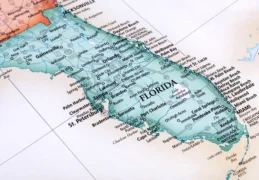
Professional sporting organizations need knowledgeable and skilled sports managers to oversee their operations. In Florida, the presence of multiple major league franchises creates opportunities across areas like marketing, operations, analytics, and community relations. Professional teams and leagues include:
- NFL (Miami Dolphins, Jacksonville Jaguars, Tampa Bay Buccaneers)
- MLB (Miami Marlins, Tampa Bay Rays)
- NBA (Miami Heat, Orlando Magic)
- NHL (Tampa Bay Lightning, Florida Panthers)
- MLS (Inter Miami CF, Orlando City SC)
Collegiate Athletics
Collegiate athletic departments may also hire sports management professionals to serve in roles such as athletic director, compliance officer, and event coordinator. Some major collegiate athletic teams throughout Florida include:
- University of Florida Gators (NCAA football)
- Florida State University Seminoles (NCAA football)
- University of Miami Hurricanes (NCAA basketball)
Sports Marketing and Media Companies
Many sports marketing and media companies hire sports management professionals to help manage brand identity, secure strategic partnerships and execute promotional campaigns. In these roles, professionals often collaborate with sponsors, media outlets and digital platforms to increase audience engagement and drive revenue growth.
Event Management and Sporting Events
Sports management professionals working in event management help plan and execute large-scale sporting events, from local competitions to major tournaments. Their responsibilities may include coordinating vendors, managing logistics and ensuring smooth day-of operations for both participants and spectators.
Why Sport Management Is a Growing Career Field
Is now the right time to get into sports management? Only time will tell what the future may hold for this field, but if recent trends are any indication, demand for sports management professionals is likely to continue growing.
Expansion of the Global Sports Industry
As the global sports industry continues to expand, the job outlook for sports management professionals may also rise as organizations look for capable and experienced leaders. According to the Bureau of Labor Statistics, overall employment in entertainment and sports occupations is projected to result in nearly 100,000 job openings each year between 2024 and 2034.
Emerging Opportunities in Sports Business
In addition to more “traditional” sports marketing and management roles, there are many new opportunities in sports management — linked to the expansion of the industry as a whole. Newer segments include:
- Technology and AI integration
- Direct-to-consumer/digital engagement
- Performance analytics
- Sports real estate
How a Sport Management Degree Prepares Students for the Industry
If you are ready to turn your passion for sports into a rewarding career, the right education is critical to building foundational business, leadership, communication, and strategic thinking skills. At Keiser University, our Master of Science in Sport Management and Operations (MSSMO) is designed for professionals who are looking to advance their education while preparing for opportunities in the business side of sports.
Plus, with online flexibility, this program is well-suited for working professionals. Get in touch with a graduate admissions counselor to learn more about our MSSMO program or start your application for admission now.


 After experiencing profound personal loss, Sydney Nau found her purpose in nursing. Today, she leads with compassion while advancing her education and transforming lives through patient-centered care.


