
Florida workforce development is about more than tracking where jobs are growing. It also means understanding the skills, knowledge, and preparation employers need from the next generation of professionals. At Keiser University, those workforce needs help inform how students prepare for careers, combining classroom learning with practical training and opportunities to apply what they learn. The result is an education designed to help students connect their degree and training to the evolving needs of Florida’s workforce.
What You Should Know Before You Start
What does “high demand” actually mean for a career?
A high-demand field is one where employment is expected to grow faster than average, often because of population changes, retirements, or new technology. The Bureau of Labor Statistics publishes a list of the fastest-growing fields each year. [1] A field counts as high-demand when its projected growth outpaces the 3.5% average expected across all U.S. jobs between 2025 and 2035, per the BLS’s employment projections released August 27, 2026. [2] That’s useful when you’re choosing a degree, but growth alone doesn’t guarantee a job.
How does Keiser build real-world experience into a degree, not just classroom theory?
That’s where practical experience becomes important. At Keiser University, we build hands-on learning into many of our programs through internships, externships, clinical rotations, and career support. In addition, Keiser University’s career-focused programs are taught by faculty with real-world industry experience. Educators with current knowledge of their fields can connect classroom learning to professional practice, helping students understand how their education applies to their chosen careers. The goal is to help you connect what you learn in class with the work you may be expected to do after graduation.
Is now a good time to start a career-focused degree?
For fields like health care, cybersecurity, and data, where growth is projected to continue well past 2035, the answer is often yes. Employers in these fields compete for qualified candidates, and building relevant skills now can help you prepare for opportunities before the market gets ahead of you.
Table of Contents
- How Keiser University Fuels Florida’s Economy and Workforce
- The High-Demand Health Care Jobs Keiser Graduates Fill
- In-Demand Careers in Technology, Cybersecurity, and Data Science
- Recession-Resistant Career Paths for an Uncertain Economy
- Building a Future-Proof Career: The Skills Employers Want Most
- How Keiser Graduates Support Florida’s Essential Workforce
- How Keiser Programs Prepare Students for Career Opportunities
- Why Keiser University
- Frequently Asked Questions
How Keiser University Fuels Florida’s Economy and Workforce

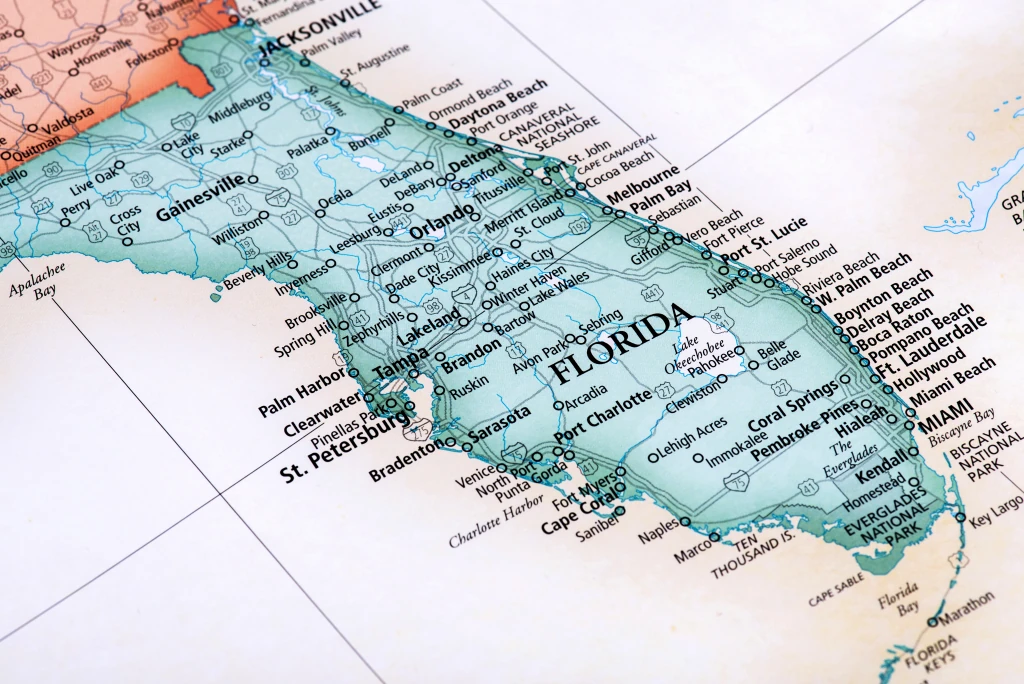
Keiser University graduates work across health care, technology, business, engineering, and other industries throughout Florida. A recent economic impact study found that Keiser University now supports more than 44,000 jobs statewide, generates $5.9 billion in annual economic activity, and delivers more than $1.9 billion in income to Florida families, according to Florida Politics. [3] For you, that means the fields covered in this article already connect to job opportunities across the state.
That impact comes from the university’s own operations and from thousands of alumni working statewide in fields such as nursing, information technology, criminal justice, accounting, engineering, and more, according to Keiser University.
The High-Demand Health Care Jobs Keiser Graduates Fill
Health care remains the biggest driver of Florida’s workforce needs, and if you’re drawn to this field, nursing sits at its heart.
The Florida Hospital Association forecasts a shortfall of more than 59,000 nurses by 2035 [5], a gap Keiser University Vice Chancellor Belinda Keiser has tied to Florida’s rapid population growth. [6]
For someone considering a nursing degree, that shortage points to steady, long-term demand across several roles:
- Registered nurses: Employment is projected to continue growing through 2035. [7]
- Nurse practitioners: Projected to grow 41% through 2035, among the fastest-growing occupations in the U.S. [2]
- Health services managers: Run daily operations at hospitals, clinics, and long-term care facilities as the industry expands.
- Medical laboratory professionals: Support diagnosis and treatment in nearly every clinical setting.
At Keiser University, the health care curriculum is built around workforce needs, connecting classroom learning with the knowledge and skills used in today’s health care settings.
In-Demand Careers in Technology, Cybersecurity, and Data Science

Artificial intelligence and machine learning are reshaping many industries. The Bureau of Labor Statistics projects AI adoption will increase demand for some occupations while reducing it for others, rather than broadly eliminating jobs. [2]
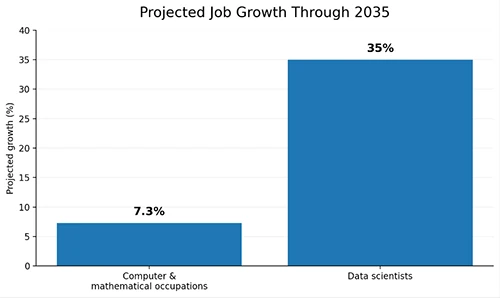
The more useful signal for you is where employers are actively investing in new job opportunities. According to the Bureau of Labor Statistics:
- Computer and mathematical occupations overall: Projected to grow 7.3% through 2035, more than twice the average for all U.S. jobs. [2]
- Data scientists: Projected to grow 35% through 2035. [8]
If cybersecurity interests you, a certification such as CompTIA Security+ can help you stand out in a crowded applicant pool. Our Cybersecurity and Information Technology programs are built around this kind of growth.
Recession-Resistant Career Paths for an Uncertain Economy
Anyone considering returning to school usually asks the same question: Will this career hold up if the economy slows down? Recession-resistant careers usually serve needs that stay constant regardless of the economy and rarely face steep cuts when consumer spending drops elsewhere.
Fields that have historically shown this stability include medicine, education, and public safety, along with mental health care: employment of substance abuse, behavioral disorder, and mental health counselors is projected to grow 18% through 2035, with about 50,500 openings a year. [9] For someone drawn to helping others, that steady demand can mean more consistent opportunities than fields tied closely to consumer spending.
For a broader look at Florida’s highest-growth careers, explore the fields expected to see continued demand. Keiser University offers programs that can help prepare students for several of these career areas, including Psychology, Education, and Criminal Justice.
Building a Future-Proof Career: The Skills Employers Want Most

Earning a degree is a strong step toward a better career, and pairing it with in-demand skills can make you even more competitive, especially in the health care, technology, and business fields covered in this article.
If you want to stand out, pair your degree with a few key skills:
- Communication: Explaining complex information clearly to a patient, client, or a manager.
- Adaptability: Adjusting to new tools, processes, team members, and expectations as the workplace evolves.
- Problem-solving: Working through unexpected challenges independently and effectively.
- Transferable skills: Project management and data literacy carry across industries, giving you room to change fields later.
How Keiser Graduates Support Florida’s Essential Workforce
Florida workforce development also depends on the people who keep communities safe, infrastructure operating, and essential services running. Keiser University graduates contribute to that workforce through career-focused programs that prepare students for hands-on roles where trained professionals remain in demand.
Public safety is one example. Keiser University’s Associate of Science in Fire Science prepares students for careers in fire service, emergency response, and related public-safety fields, creating another pathway for graduates to contribute to Florida communities.
The demand for hands-on workers extends across the broader workforce. The Bureau of Labor Statistics projects strong growth in several skilled occupations as infrastructure, energy, and essential-service needs increase. Wind turbine service technicians, for example, are projected to grow 29.5% through 2035. [2]
Along with Keiser graduates working in healthcare, technology, business, engineering, criminal justice, public safety, and other industries, graduates entering essential-service careers contribute to the broader workforce needs behind Keiser University’s statewide economic impact.
How Keiser Programs Prepare Students for Career Opportunities
A degree matters only if it leads somewhere. At Keiser University, we build our programs around that outcome. Industry advisors work directly with our faculty to review curriculum and training standards each year, keeping your coursework in tune with what employers expect from a new hire.
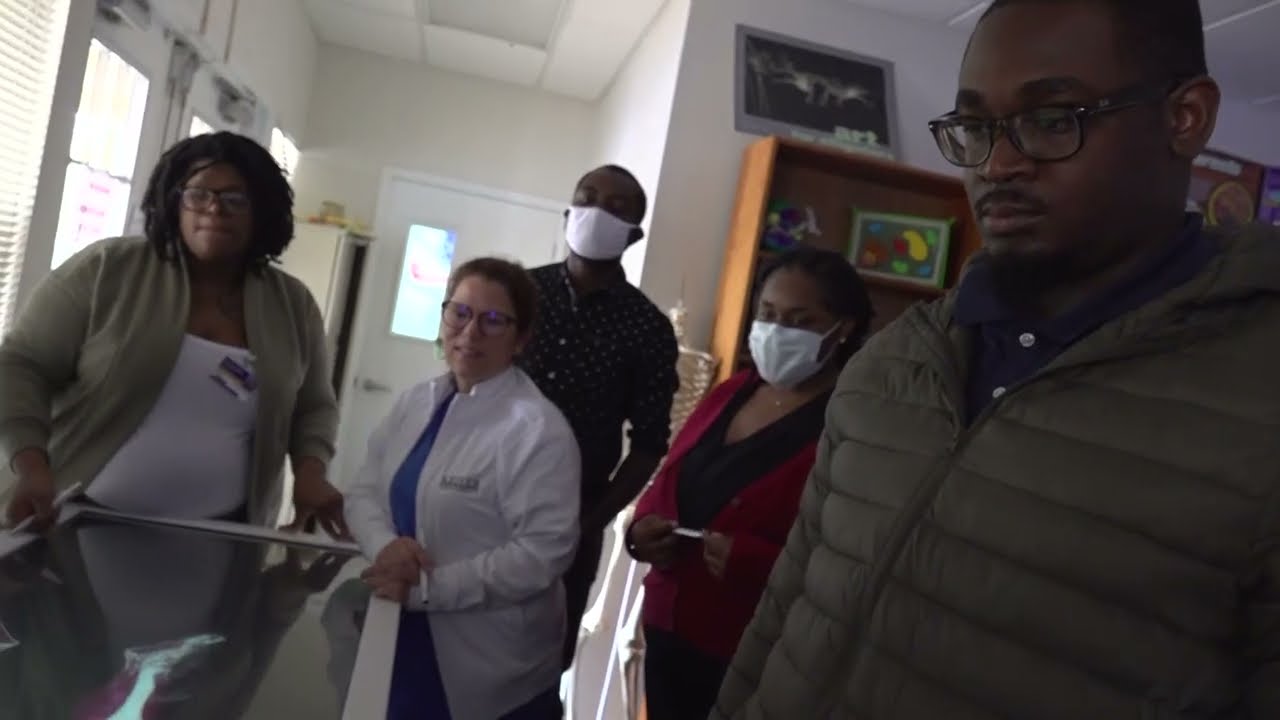
The video above shows students at Keiser University’s Tallahassee campus learning how to use innovative technology that brings anatomy and physiology concepts to life. Watch Dr. Sonny Abad demonstrate the Anatomage Table and show how students use this technology as part of their classroom learning.
That hands-on approach matters more than you might think. Nationally, internships and co-ops converted to full-time job offers at a rate of 63.1% for the 2024-25 class, the highest conversion rate in five years, according to the National Association of Colleges and Employers. [10]
At Keiser University, our career advisors support you from orientation through graduation as you prepare for the job search.
Why Keiser University
At Keiser University, you will be prepared to enter the workforce through an education that builds relevant skills and connects what you learn in the classroom to your career goals. Our programs prepare students for careers in several of the areas highlighted in this guide, including:
Our programs are offered at multiple degree levels, so you can start at the associate degree level and keep building as your goals grow. Explore all of our programs, review tuition and financial aid options, or read student testimonials from graduates already building careers in their chosen fields.
Community impact, student experience, and future career preparation
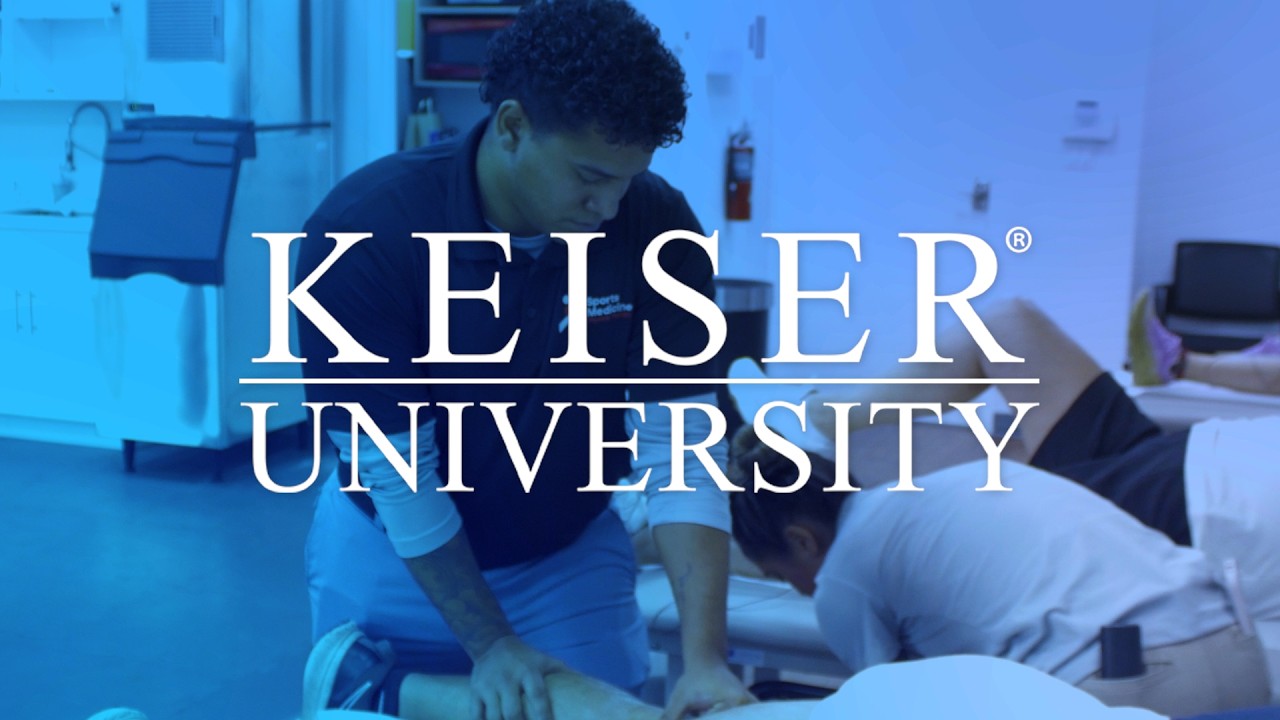
Keiser University’s partnership with Sports Medicine Physical Therapy connects students with hands-on clinical experience while helping meet a need in the local community. Through the partnership, students gain exposure to patient care in a working clinical environment, where they can apply what they learn in the classroom to real situations.
As Keiser University prepares to celebrate 50 years of empowering students through career-focused education, it continues a legacy of academic excellence and student success while helping shape the future of higher education. Since opening its doors in 1977, the university has remained committed to preparing graduates with the knowledge, skills, and hands-on experience needed to succeed in today’s workforce. Keiser University has grown into one of Florida’s largest private, not-for-profit universities, serving approximately 20,000 students and a network of more than 100,000 alumni.
As a Keiser University student, you’ll benefit from:
- An institutionally SACSCOC accredited university, which gives students an additional layer of assurance that Keiser has been evaluated against established standards for academic quality and institutional effectiveness. Accreditation can also matter when students transfer credits, pursue graduate education, or seek financial aid.
- Keiser’s degree programs are aligned with today’s workforce to provide the real-world experience employers look for in candidates.
- Flexible learning options, including on-campus, online, hybrid, and one-class-at-a-time formats.
- Personalized academic and career support, with dedicated faculty and career services.
- Financial aid, scholarships, and tuition guidance to help make education more accessible.
- Proud membership in the Hispanic Association of Colleges and Universities (HACU).
- Almost 50 years of educational excellence with a proven focus on student success and outcomes.
Choosing a degree isn’t only about finding a growing field. It’s about finding a path that fits your interests, your goals, and the future you want to build. At Keiser University, we can help you explore your options and see how different programs connect to the careers you’re considering.
When you’re ready, take the next step and learn more about the program that feels right for you.
Request Information | Apply Now
Frequently Asked Questions
How many jobs have Keiser University graduates helped support in Florida?
A February 26, 2026, economic impact study, reported by Florida Politics, found that Keiser University’s operations and graduates now support more than 44,000 jobs statewide, generating $5.9 billion in annual economic activity and more than $1.9 billion in income for Florida families. [3] That impact includes thousands of alumni working across fields such as nursing, information technology, criminal justice, accounting, and engineering, according to Keiser University. [4]
Why is workforce development important for Florida’s economy?
Workforce development connects new graduates’ skills to local employers’ needs, helping keep industries staffed and supporting long-term economic growth. Florida’s health care, technology, and public safety employers are increasingly competing for qualified candidates, and Keiser University’s programs are built with that pipeline in mind.
What careers are Keiser University graduates prepared to pursue?
Keiser University offers more than 100 degree programs preparing graduates for careers in health care, business, nursing, cybersecurity, criminal justice, psychology, and more. Many programs are taught in Spanish and available from the associate through the graduate level, so students can start where it makes sense and build from there.
How do Keiser University graduates contribute to Florida’s workforce?
Keiser graduates contribute to Florida’s workforce by filling roles across the fields highlighted in this guide, including healthcare, technology, business, and public safety. Because Keiser’s programs are built around workforce needs and offer flexible formats for working adults, graduates are prepared to step into growing fields soon after graduation.
Sources
- BLS, Fastest Growing Occupations, Occupational Outlook Handbook
- BLS, Employment Projections 2025 to 2035, published August 27, 2026
- Florida Politics, Keiser University touts economic impact, social mobility during its day at the Capitol
- Keiser University, Keiser University History: Nearly 50 Years of Impact
- Florida Hospital Association, Growing the Health Care Workforce
- WTXL ABC 27, Keiser University marks nearly 50 years of career education while tackling Florida’s nursing shortage
- BLS, Registered Nurses, Job Outlook
- BLS, Data Scientists, Job Outlook
- BLS, Substance Abuse, Behavioral Disorder, and Mental Health Counselors, Job Outlook
- NACE, Intern Conversion Rate Hits Highest Mark in Five Years
 After experiencing profound personal loss, Sydney Nau found her purpose in nursing. Today, she leads with compassion while advancing her education and transforming lives through patient-centered care.


