

Advance Your Career with a Forensic Investigations Degree Program
Request More Information
Forensic Science: Building a Purposeful Career
Keiser University offers a Bachelor of Science in Forensic Investigations (Science Concentration) designed for students seeking careers in forensic laboratories, crime scene investigation, and scientific analysis of physical evidence. This forensic science program prepares graduates for entry-level positions in forensic science analytical laboratories and provides the foundation needed for graduate studies in the forensic sciences.
Master Scientific Methods for Crime Scene Analysis
Develop laboratory techniques and analytical skills used by forensic scientists to examine physical evidence from crime scenes.
Study Under Experienced Faculty Members
Learn from instructors with real-world expertise in forensic science, criminal investigations, and evidence analysis.
Study Your Way with Flexible Learning
Choose from flexible learning on-campus or hybrid options
Prepare for Advanced Forensic Science Careers
Complete prerequisites for graduate programs while gaining the knowledge needed for professional certification in forensic investigations.
At a Glance
120
Credit Hours
42+
Courses
34
Months*
4
Week Terms
- Up to 12 credits of transfer credit*
- Career opportunities in forensic investigations, crime scene technology, law enforcement, and criminal justice
- Available On-Campus and Hybrid
- Financial aid for those who qualify**
* Time to degree completion and the number of transfer credits are estimates, not intended as a guarantee, and can vary based on many case-by-case factors.
** Speak with a dedicated financial aid counselor to explore all your financial aid and funding options.
Forensic Investigations Program Overview
Keiser University’s Bachelor of Science in Forensic Investigations (Science Concentration) provides students with fundamental knowledge related to scientific analysis of physical material. The forensic science program emphasizes chemistry, physics, and biology coursework combined with specialized training in forensic science applications. Students learn to recognize, collect, and preserve evidence while developing analytical skills and laboratory techniques routinely applied in crime labs and forensic laboratories. The program prepares graduates to formulate concise reports of scientific analysis results and practice within legal and ethical frameworks.
Mission Statement
Keiser University’s Bachelor of Science degree in Forensic Investigation (Science Concentration) prepares students for entry into analytical/research laboratories, crime laboratories and related fields. The program provides students with fundamental knowledge with respect to scientific analysis of physical material. Graduates of the program will have completed the prerequisites necessary to be successful in graduate programs in forensic science and related specializations.
Program Goals
The Bachelor of Science in Forensic Investigations (Science Concentration) aims to:
- Develop students analytical skills and laboratory techniques routinely applied in scientific research.
- Develop students capable of using the scientific method and statistically analyze the results meeting accreditation requirements and legal standards.
- Provide students with knowledge in the contemporary application of current use of natural and physical sciences in the forensics investigation process.
- Prepare students for successful entry into professional and/or related graduate programs.
Prerequisites
- Entering students must achieve a Wonderlic Score (or comparable) of 21 or above for entrance into the BS Forensic Investigations (Science Concentration) program.
- Applicants undergo a level 2 criminal background check and complete a personal interview with the campus BS-FI Program Director.
- All Upper and Lower Division courses must be completed with a grade of “C” or better.
Program Highlights
- The forensic investigation degree program combines rigorous science coursework with practical forensic science applications.
- Offered with on-campus and hybrid learning options.
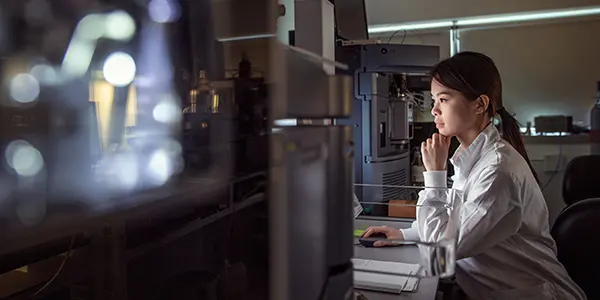
- Students complete extensive laboratory work in chemistry, biology, and physics.
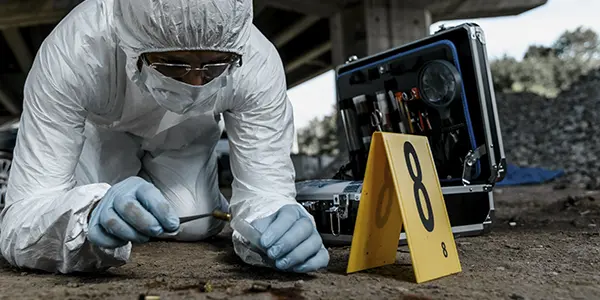
- The program includes specialized courses in forensic photography, crime scene processing, evidence analysis, and criminalistics.
- Hands-on experience through internships and research opportunities prepares students for careers in forensic laboratories and crime scene investigation units.
Estimated Student Costs
Required and Optional Fees for Programs: Fees are costs set by the university in addition to tuition (and room and board, if applicable). These fees may be required for your program or optional depending on the courses you take, and they support the costs associated with completing an approved program of study. Fees are defined in the university’s catalog or supplement and listed on the school’s billing statement or invoice. Fees that are optional will not be paid using GI Bill® benefits and will be the responsibility of the student choosing these additional options. For additional guidance, please see your Program Director or Admissions Counselor.
Accreditation Statuses
Keiser University is accredited by the Southern Association of Colleges and Schools Commission on Colleges (SACSCOC) to award associate, bachelor, master, and doctoral degrees. While the forensic investigations science program does not require specialized programmatic accreditation, the program offers a robust curriculum designed to equip students with knowledge and skills needed for successful careers in forensic science.
Program Outline
Available On-Campus and Hybrid
Bachelor of Science in Forensic Investigations (Science Concentration)
The Bachelor of Science in Forensic Investigations (Science Concentration) at Keiser University combines rigorous coursework in chemistry, biology, and physics with specialized training in forensic science applications. Students complete comprehensive laboratory work while learning to analyze physical evidence, document crime scenes, and present findings in legal proceedings. This forensic science degree provides the scientific foundation required for careers in forensic laboratories and prepares graduates for advanced study in the forensic sciences.
To receive a Bachelor of Science degree in Forensic Investigations (Science Concentration), students must complete 120 credit hours as described below. The length of this program is approximately 34 months (this will vary if a student transfers in credits).
Lower Division Courses
| Lower Division Forensic Investigation (Science Concentration) Major Courses (39.0 credit hours) | |
|---|---|
| General Chemistry | 3.0 credit hours |
| General Chemistry Laboratory | 1.0 credit hour |
| Advanced Chemistry | 3.0 credit hours |
| Advanced Chemistry Laboratory | 1.0 credit hour |
| Organic Chemistry I | 3.0 credit hours |
| Organic Chemistry I Laboratory | 1.0 credit hour |
| Organic Chemistry II | 3.0 credit hours |
| Organic Chemistry II Laboratory | 1.0 credit hour |
| General Physics I | 3.0 credit hours |
| General Physics I Laboratory | 1.0 credit hour |
| General Physics II | 3.0 credit hours |
| General Physics II Laboratory | 1.0 credit hour |
| Forensic Photography | 4.0 credit hours |
| Introduction to Forensic Science Technology | 4.0 credit hours |
| Field Investigative Procedures and Presentation of Evidence | 4.0 credit hours |
| Forensic Legal Concepts | 3.0 credit hours |
| General Education Courses (35 credit hours) | |
|---|---|
| Behavioral/Social Science (6.0 credit hours) | |
| Introduction to Psychology | 3.0 credit hours |
| Sociology | 3.0 credit hours |
| Communications (3.0 credit hours) | |
|---|---|
| Speech Communications | 3.0 credit hours |
| Computers (3.0 credit hours) | |
|---|---|
| Introduction to Computers | 3.0 credit hours |
| English (6.0 credit hours) | |
|---|---|
| English Composition I | 3.0 credit hours |
| English Composition II | 3.0 credit hours |
| Humanities/Fine Arts (3.0 credit hours) | |
|---|---|
| American Literature | 3.0 credit hours |
| English Literature | 3.0 credit hours |
| Mathematics (6.0 credit hours) | |
|---|---|
| College Algebra | 3.0 credit hours |
| Statistics | 3.0 credit hours |
| Calculus and Analytic Geometry I | 5.0 credit hours |
| Natural Science (20.0 credit hours) | |
|---|---|
| Biology I | 3.0 credit hours |
| Biology I Laboratory | 1.0 credit hour |
| Biology II | 3.0 credit hours |
| Biology II Laboratory | 1.0 credit hour |
| General Chemistry | 3.0 credit hours |
| General Chemistry Laboratory | 1.0 credit hour |
| Advanced Chemistry | 3.0 credit hours |
| Advanced Chemistry Laboratory | 1.0 credit hour |
| General Physics | 3.0 credit hours |
| General Physics Laboratory | 1.0 credit hour |
Upper Division Courses
| Upper Division Forensic Investigation (Science Concentration) Major Courses (42.0 credit hours) | |
|---|---|
| Fundamentals of Forensic Anthropology | 4.0 credit hours |
| Biochemistry I | 4.0 credit hours |
| Biochemistry II | 4.0 credit hours |
| Forensic Biology | 4.0 credit hours |
| Forensic Chemistry | 4.0 credit hours |
| Medico-Legal Death Investigation | 4.0 credit hours |
| Advanced Evidence Documentation | 4.0 credit hours |
| Advanced Topics in Forensic Science | 4.0 credit hours |
| Microbiology | 3.0 credit hours |
| Microbiology Laboratory | 3.0 credit hours |
| Microbiology Laboratory | 3.0 credit hours |
| Microbiology Laboratory | 3.0 credit hours |
| Genetics | 3.0 credit hours |
| Genetics Laboratory | 3.0 credit hours |
| Molecular Biology I | 3.0 credit hours |
| Molecular Biology I Laboratory | 3.0 credit hours |
| Upper Division Externships or Optional Courses (4.0 credit hours) | |
|---|---|
| Forensic Investigations Externship I | 2.0 credit hours |
| Forensic Investigations Externship II | 2.0 credit hours |
| Forensic Investigations Capstone Course I** | 2.0 credit hours |
| Forensic Investigations Capstone Course II** | 2.0 credit hours |
**Forensic Investigations Capstone option is available on approval and recommendation of the campus Forensic Investigations Program Director. To obtain 4 credits hours, a student may take Forensic Investigations Externship I & II or Forensic Investigations Capstone Course I * II or any combination thereof.
If you’re someone who cares about …
Solving crimes through science and wants to apply scientific methods to real-world investigations,
a forensic investigation science degree might be right for you.
Forensic science students possess strong analytical thinking, attention to detail, and curiosity about how science helps solve crimes. They combine laboratory skills with investigative techniques to collect evidence, analyze physical material, and interpret evidence for presentation in court.
Whether you’re interested in crime scene processing, DNA analysis, or working in forensic laboratories, this science degree gives you the tools to turn your interest in forensic science into a meaningful career.

Top 100 Hispanic-Serving Institutions
(2024, Hispanic Outlook on Education Magazine)

Best Online Ph.D. in Educational Leadership (No. 2) & Organizational Psychology (No. 3)
(2024, Forbes)

#2 Best 4-year graduation rates, private, nonprofit, nonresidential
(2023, The Chronicle of Higher Ed.)
What Jobs Can You Get with a Forensic Investigations Degree?
Graduates of Keiser University’s Bachelor of Science in Forensic Investigations (Science Concentration) prepare for entry-level positions with forensic science analytical laboratories, crime labs, and law enforcement agencies. This forensic science program equips students with the laboratory techniques, scientific methods, and analytical skills needed to pursue careers as forensic scientists, crime scene investigators, and forensic laboratory technicians. The degree also provides the foundation for graduate studies in forensic sciences and related life sciences programs.
Career Pathways in Forensic Science
- Forensic scientist in crime labs
- Crime scene investigator with law enforcement officers
- Forensic laboratory technician
- Evidence analysis specialist
- Forensic biology analyst
- Forensic chemistry analyst
- CFingerprint analysis expert
- Crime scene processing technician
- Toxicology technician
- Trace evidence examiner
- Fire investigation specialist
- Forensic anthropology assistant
Why Choose Keiser University?

Gain Job-Ready Skills for a Forensic Science Career
Scientific methods for analyzing evidence Laboratory techniques in chemistry and biology Crime scene processing and documentation Fingerprint analysis and identification Evidence collection and preservation Forensic photography and imaging Blood patterns and DNA analysis Investigative techniques for physical evidence Expert testimony preparation Legal studies and court procedures Research project design and statistical methods Analyzing evidence using forensic laboratories equipment
Keiser University offers career-focused degree programs designed to support working adults, traditional students, and career changers. With on-campus, online, and hybrid learning options, experienced faculty members, and comprehensive student support, Keiser helps learners achieve their personal and professional goals at all levels.
See What Sets Keiser Apart
Emily Emelov, a graduate of Keiser University, shares her journey into becoming a forensic autopsy technician. Driven by a desire to help uncover answers and provide closure for others, she pursued a program that offered in-depth forensic training. She chose Keiser because of its comprehensive curriculum and hands-on approach, which made her feel as though she was already working in her career rather than just attending school. Through the program, she gained valuable skills and a significant boost in confidence, ultimately preparing her for success in the forensic field.
Students Testimonials
At Keiser University we are here to help you succeed by providing the professional and academic foundation to meet your educational goals and objectives.
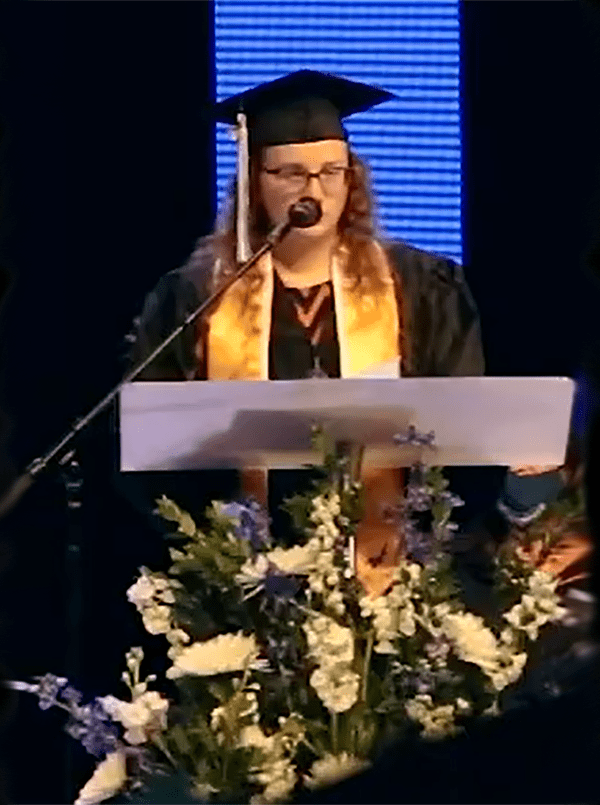
Haley Roberge
BS in Forensic Investigations graduate

What I love about Keiser is the fact that there’s intimate class sizes, teachers that actually care about what you’re going to school for and they have real life experience; they’re going to be there for you throughout your journey; it’s not just you see that teacher one time and you’re done.
Heather S
Keiser University Criminal Justice Graduate
Once I graduated, I found a job right out of college within my degree. I now proudly work for the Florida Department of Juvenile Justice.
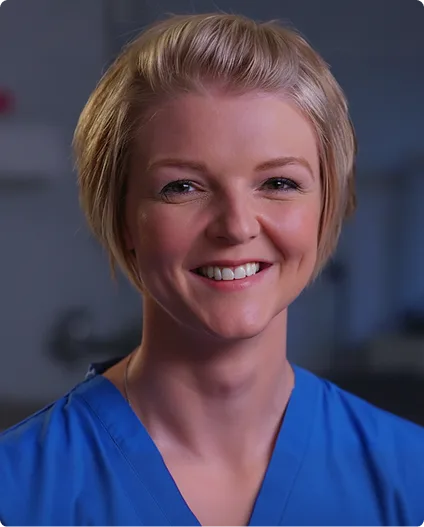
Emily Emilov
Forensic Investigations Graduate
“At Keiser University we’re here to help you succeed by providing the professional and academic foundation to meet your educational goals and objectives.”
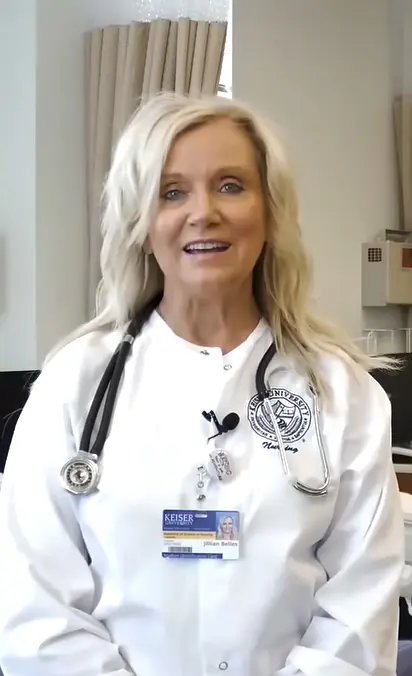
Jillian Bellis
Keiser University Nursing Student
Jillian Bellis, a nursing student, says Keiser University gave her the opportunity to return to school and pursue her lifelong passion for nursing. She highlights key benefits of Keiser, including flexible pathways for adult learners and career changers, supportive programs designed for students at different life stages, and the chance to pursue meaningful, career-focused education later in life.
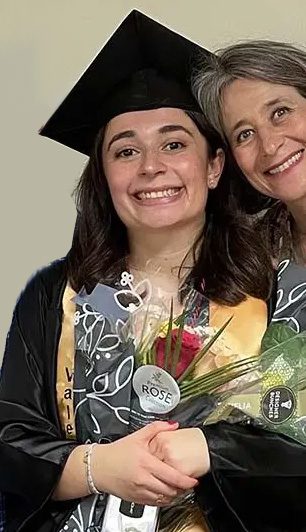
Audrey Chouraqui Azoulay
Cinematic Arts program graduate
Audrey Chouraqui Azoulay, a Cinematic Arts program graduate, has shared her positive experience. She expressed gratitude to her professors, Samantha Kountz and Jean Jacques, for their encouragement and support during her studies. Her story highlights a passion for film production and acknowledges the program’s contribution to her success.
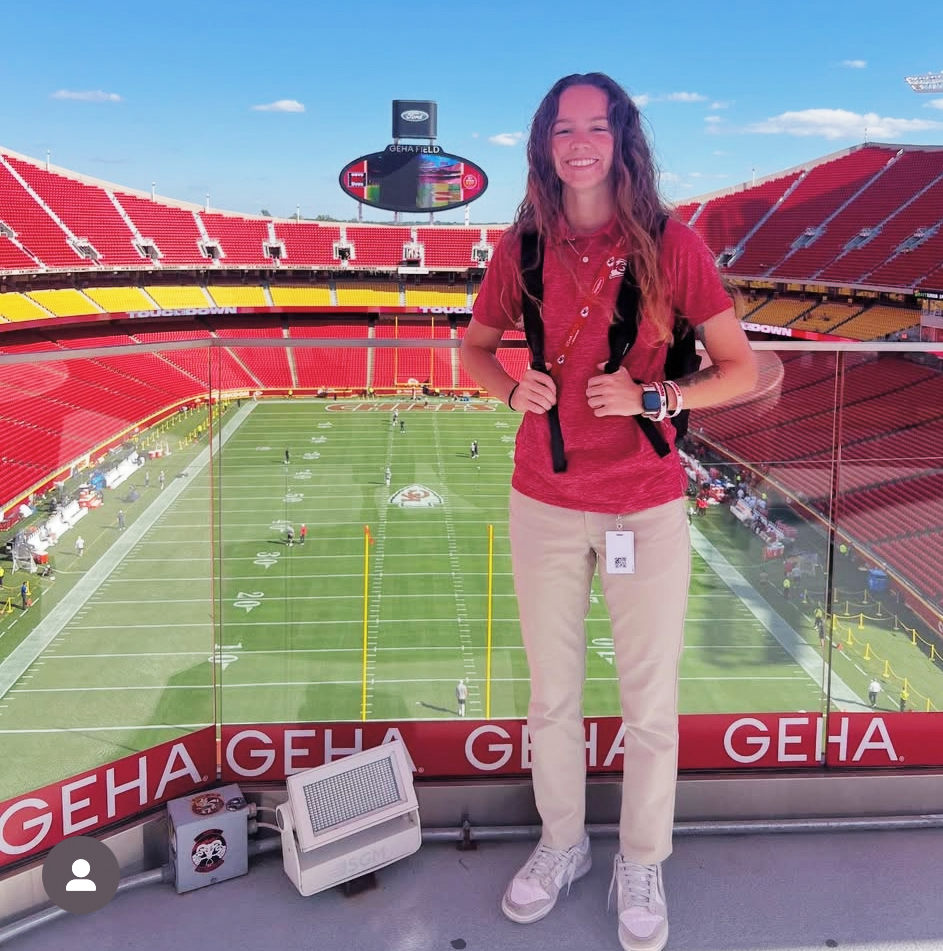
Kennedy Foster
Sports Management Graduate
Keiser University has always supported me in every aspect of my life. Athletically, they have provided top-notch coaches, athletic trainers, and strength coaches who truly helped mold and build me into the player that I am today. Academically, my professors brought out the best in me and constantly made me think critically in real-world situations, and professionally, my professors truly prepared me for my current job. Every task I am given, I can think back to my time at KU and think of an assignment or discussion that I had.
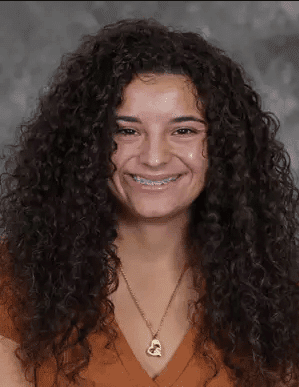
Antigonie Sanabria
Sports Management student
I picked Keiser because, first of all, it’s a school sports management, so I knew that there would be a higher focus of that here, and I knew I could get the best education that I wanted to have if I attended.
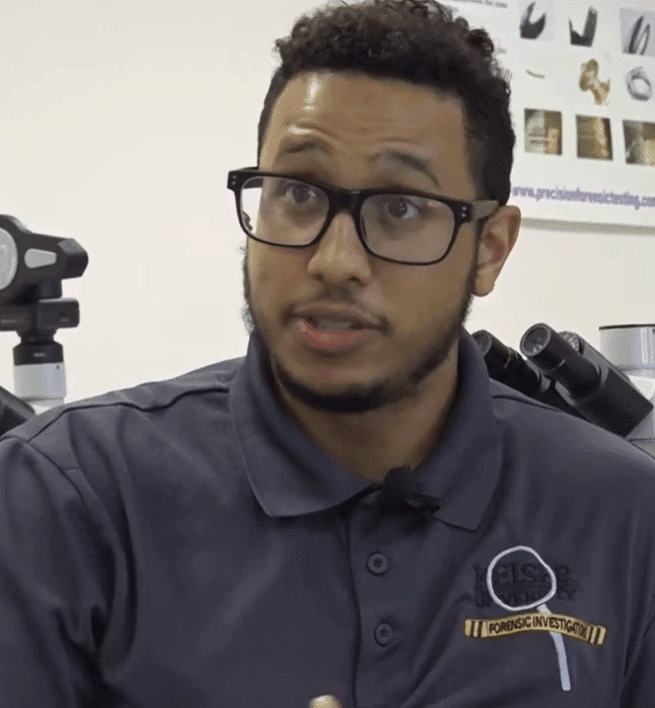
Lee Tamburro
Crime Scene Technology student
Being able to solve problems and try to figure out what exactly happened and try to help whoever is the victim is amazing. In a smaller classroom setting you have more time with your teacher. A lot of times you’re just a name on a paper in a bigger class but in Keiser’s smaller classes format, it’s a little more personable, and one class at a time is very helpful.

Amya Black
Culinary Arts, AS degree student
I chose Keiser because of a good friend of mine. She graduated last year and hearing all the good things about the program really made a difference. And this is possibly the best school experience I’ve had. Your teachers know your name. They know your personality. They know what to expect of you. Honestly, they push you to be the best version of yourself.
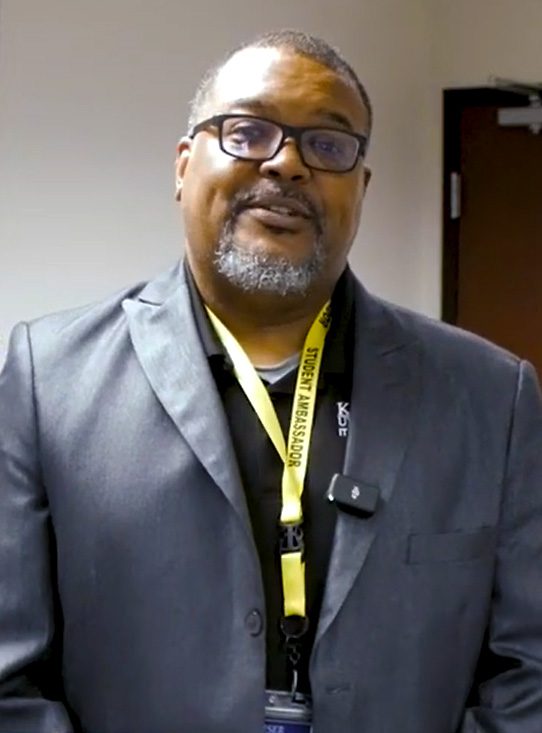
Marcus Walton
Keiser University Cybersecurity student
Keiser University is one big giant family and I feel that I’ve I learned a lot more here than I would on a traditional campus. This university has changed my life; I’m more assertive, I am completing tasks more efficiently, and I’ve learned a whole lot about it and cyber security.
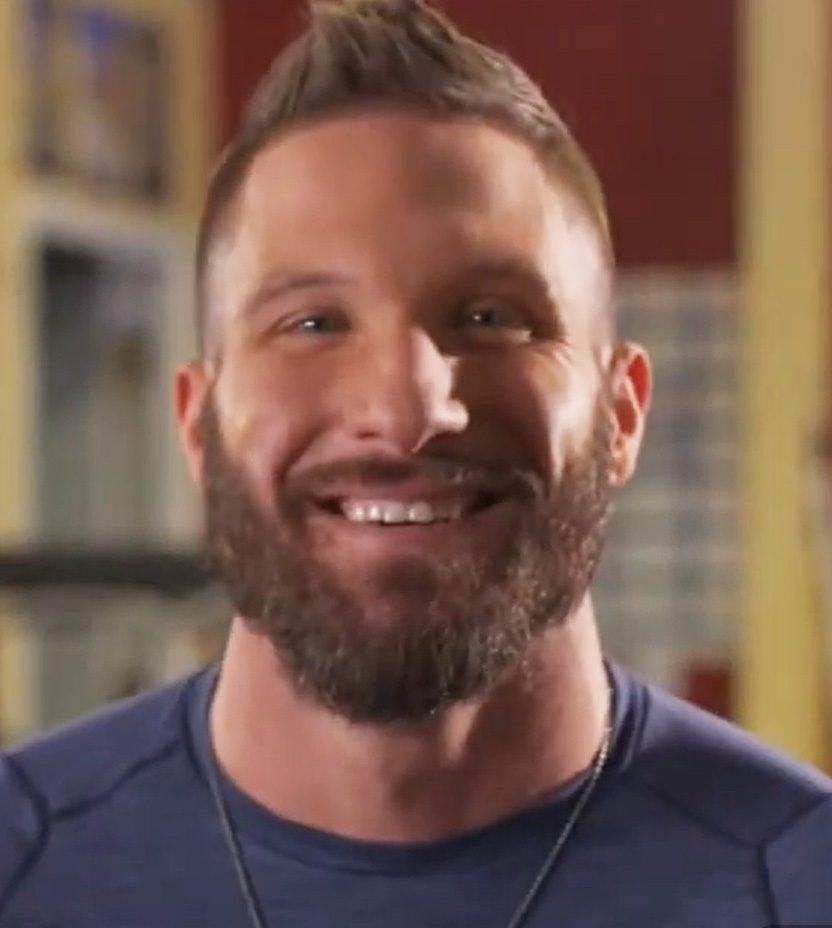
Will Doyle
Sports Medicine & Fitness Technology Graduate
I heard about Keiser University through a battle buddy that I was overseas with in the military. For me school was tough; the more one-on-one attention at Keiser helped me a lot and the teachers that seemed to reach out to you and care. I think that little push right there kept me dedicated. I became a gym owner because I got the skills I needed at Keiser.
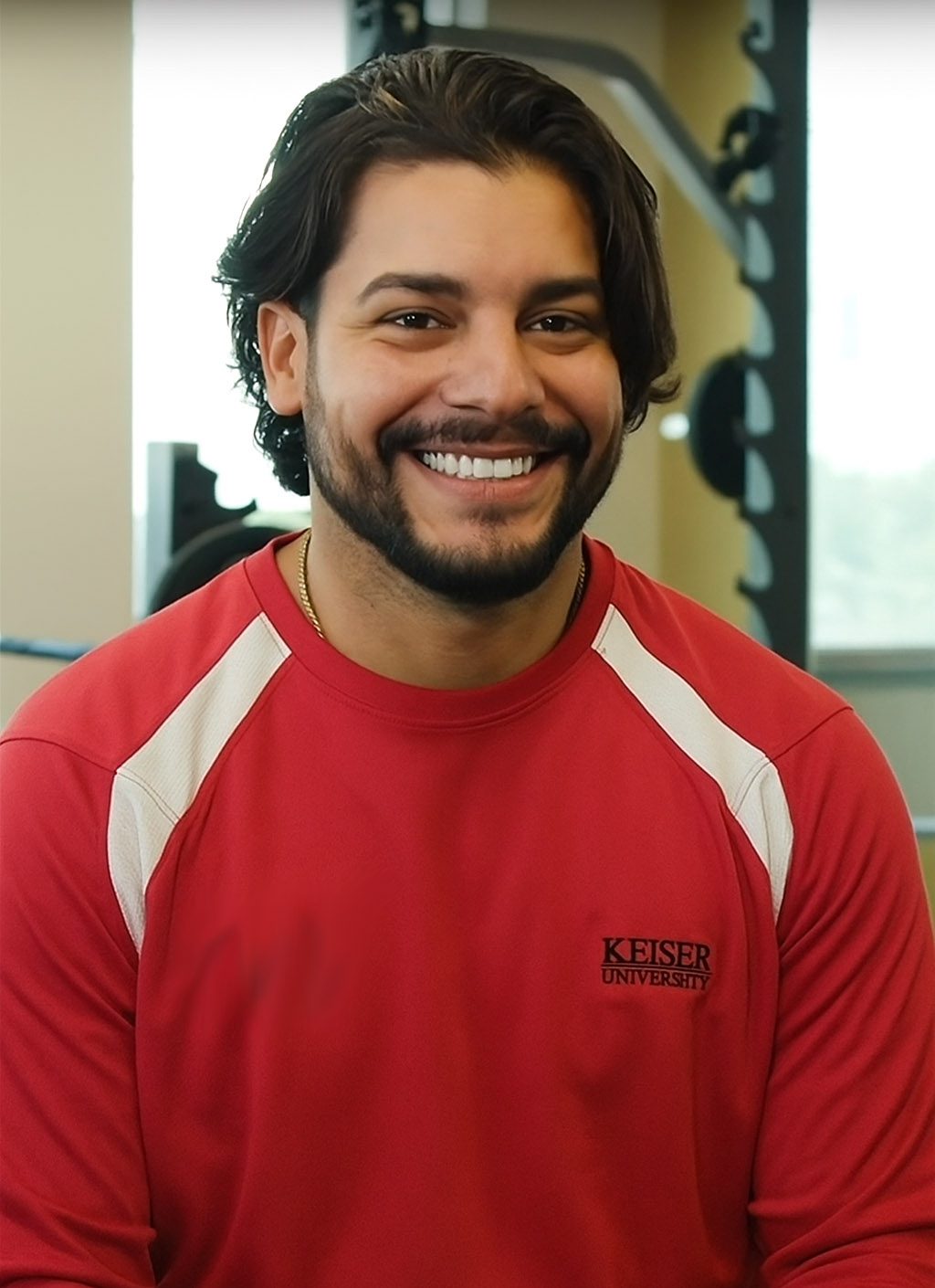
Alex Avila
Sports Medicine & Fitness Technology Student
Hands On, Practical Instruction. We have incredible instructors who are very knowledgeable in this field.

Jacvelyne Michel
Keiser University Nursing Student
I chose to study at Keiser University because they offer the accelerated nursing program which I could get my BS in in 16 months. They push us to do our best and they’re very fixated on us passing all of our classes and understanding the concepts. And they really prepare us well for the NCLEX exam.
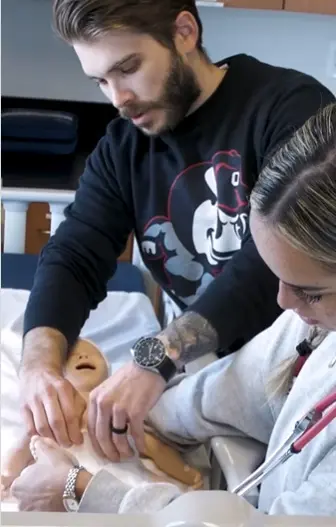
Tom Buchanan
Keiser University Nursing Student
Tom Buchanan, a military veteran and nursing student, says Keiser helped him transition into a meaningful healthcare career where he could continue serving his community. He appreciates the strong support available to veterans, including a dedicated VA adviser who is responsive, helpful, and committed to ensuring students fully use the benefits they earned through service.

Ryan G
Culinary Arts Graduate
“I know that when I go for a job interview and I have Keiser University on my resume that I am going to get the job.”
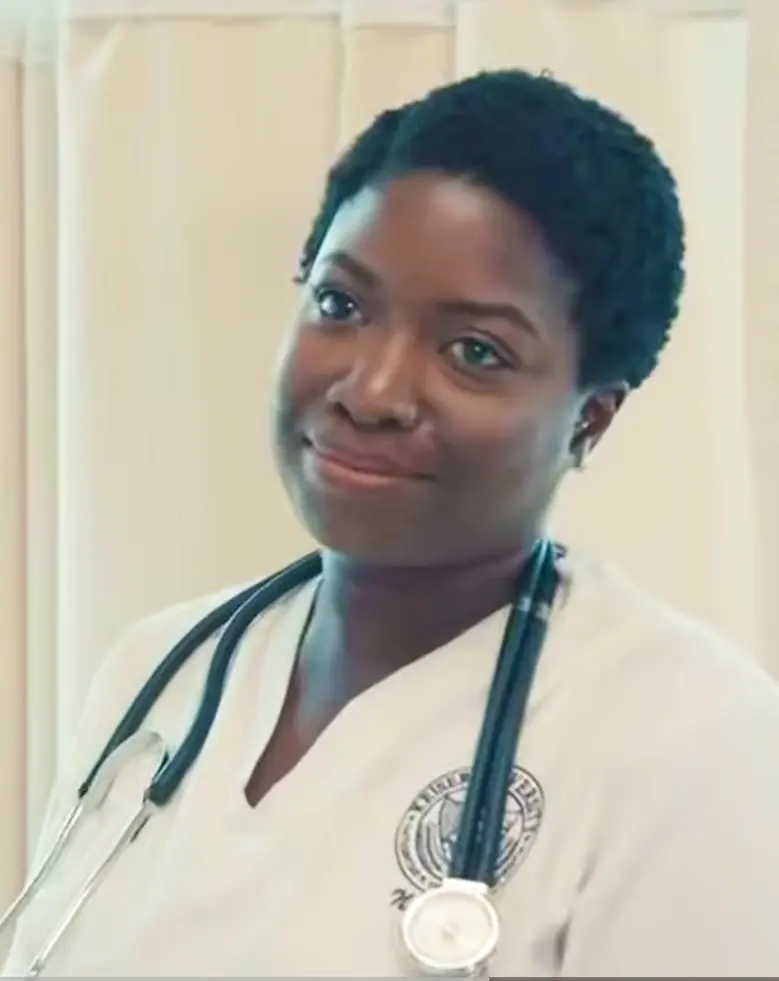
Solange Mondesir
Keiser University College of Nursing Student
Seeing Keiser nurses out in the field – Keiser pushes out good nurses. So, I know I’m going to be prepared once I step out of the program.

Kadeshia Rose
Keiser University Software Engineering Student
The environment is friendly. The instructors really actually care about how you are going to get your degree. Keiser was a great fit.
Kiefer Suau
Bachelor of Science in Software Engineering graduate
Keiser University provided me with the foundation to turn ambition into action, equipping me with the discipline, purpose, and support necessary to make a lasting impact. The dedicated faculty and my incredible colleagues continually challenged, inspired, and encouraged me, shaping both my personal and professional growth. With my Bachelor of Science in Software Engineering, I’ve been able to pursue meaningful contributions in public service and technology, while advancing my career as a Board-Certified Behavior Analyst for Behavioral Pedestal LLC and Spring Health ABA.
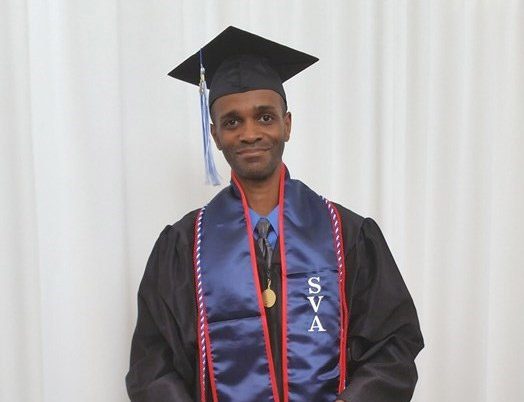
Brian Mardy, RN
Associates of Science Degree in Nursing
I was an active reservist and wanted to enter nursing. Keiser University provided me with new opportunities to do much more in life.

Gaelen Przybylowicz
Keiser University B.S. in Law Enforcement Operations – Forensics Concentration Graduate
I learned a lot about my subject field while attending Keiser. All my teachers continually promoted success and successful thinking, and my peers helped me to a higher standard than others because they knew I could achieve more.
Christy Marek
Keiser University B.S. in Law Enforcement Operations Graduate
KU taught me how to thoroughly do an investigation, read a police report, and understand crime scenes and photos of crime scenes along with any other evidentiary items. I really loved the classes in our program as well as being able to focus on one class a month. It allowed me to learn more.
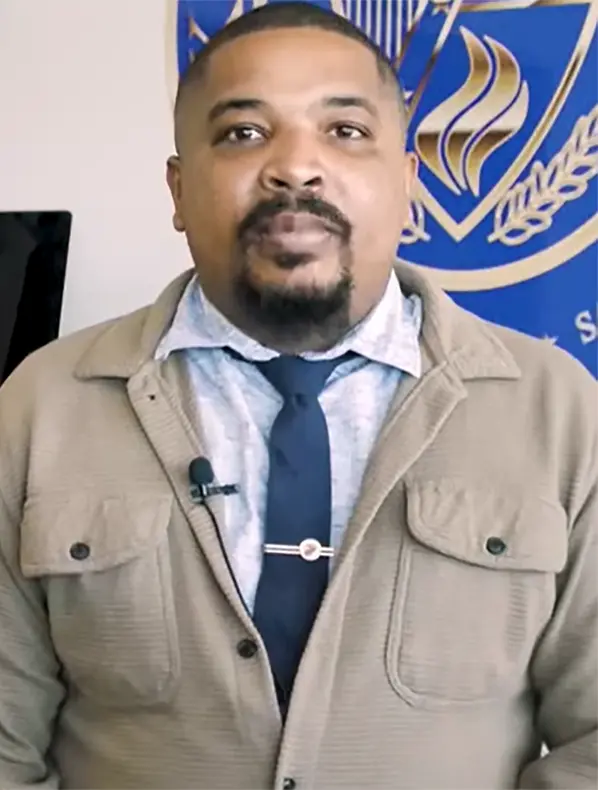
Brandon Alexander Presley
Legal Studies Student
“My experience at Keiser has been incredible, especially because of the small class sizes—they’re really catered to us and make learning more personal and engaging. As a veteran, I was worried about adjusting back to a structured routine, but the campus made that transition much easier. Overall, this campus has truly become like a family to me.”

Sarah S.
Keiser University Medical Assisting Graduate
I cannot thank Keiser University enough for the experience and the learning opportunities I have had here. I never thought that at 20 years old, I would be halfway through my bachelor’s degree and working full-time as a medical assistant.

Quondra B.
Keiser University Medical Assisting Graduate
“I have had the experience of dealing with classes that accommodated my schedule of being a full-time employee as well as a full-time mother of three. The hands-on experience and the knowledge received was outstanding. I was elated by the amount of information I received in such a short period of time.”
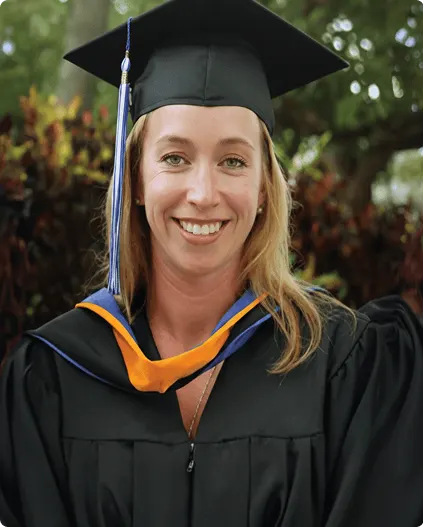
Danna Murphy
Master of Science in Nursing Graduate
“I really enjoyed the small class sizes and having an advisor at the campus who was able to guide me when I needed advice. I could take the program online, which helped tremendously as I was staying home with my children. Being able to do my schoolwork on my own timetable helped me to be accessible for my children and my husband.”
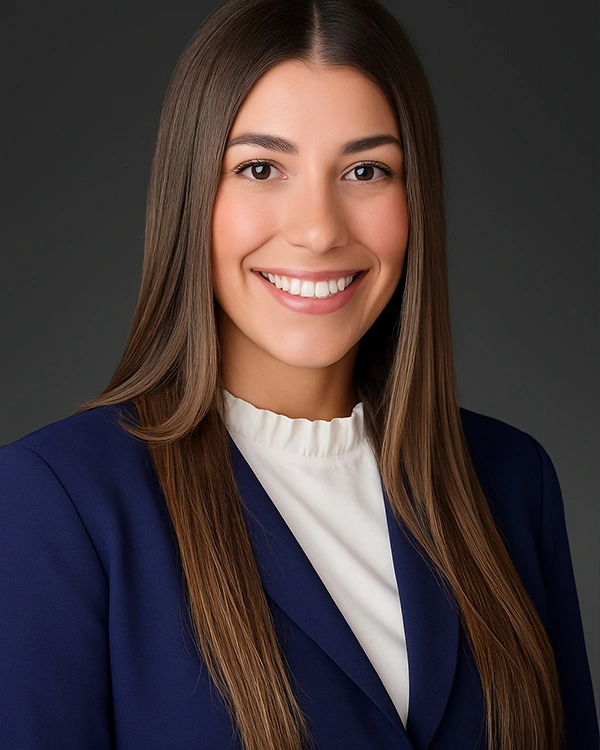
Arisnelvys Gonzalez, JD
Paralegal Studies Graduate
“Keiser University provided me with everything I needed for my future career as a licensed Florida Bar Attorney. While at KU I retained an Associates Degree in the Paralegal Studies Program. The Program helped me develop not only the essential skills a paralegal is required to hold but also long-term practical and professional skills.”
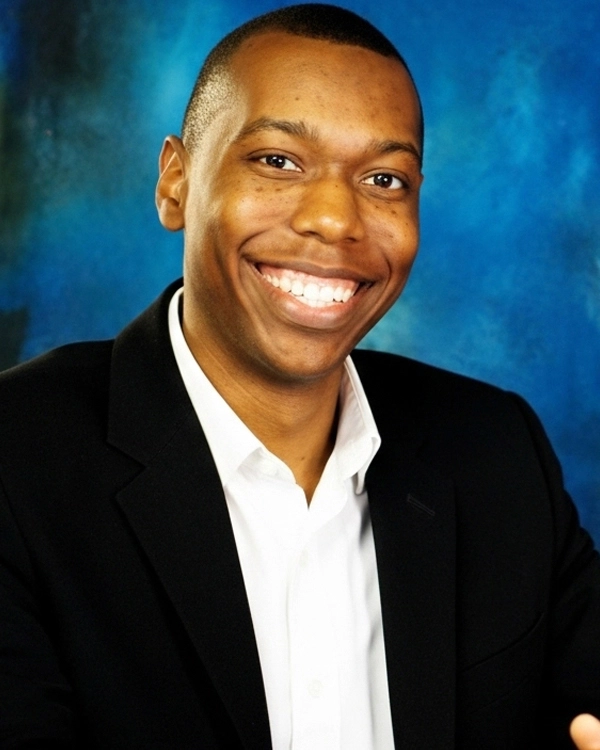
Justin Pugh
Full Stack Engineer
“The instructors at Keiser University impacted my life. They believed in my ability to become a great graphic designer, regardless of how I felt about my skills. KU helped to prepare me for the real world and got me to where I am today.”
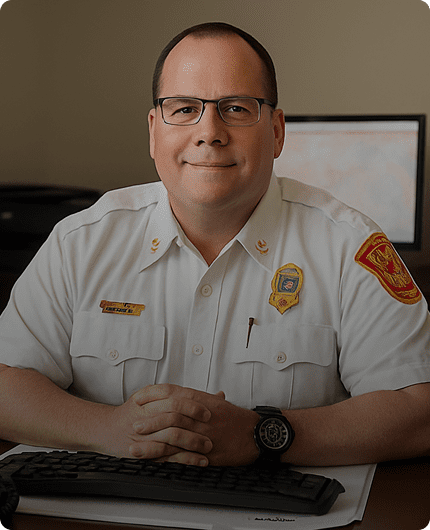
John F. Phelan
Fire Chief – Mashpee, MA
“When I first enrolled, I was new to the online educational environment and nervous as to how the experience would go. Keiser University has a knack for selecting educators who are perfect for this method of instruction, which allowed me and my fellow classmates to get up to speed quickly.”

Wayne Webb
Criminal Justice Graduate
“KU prepared me for Pat Thomas Law Enforcement Academy and the Florida State Correctional program. I have finally reached my goal of becoming a full-time deputy, with the Leon County Sheriff’s Office.”
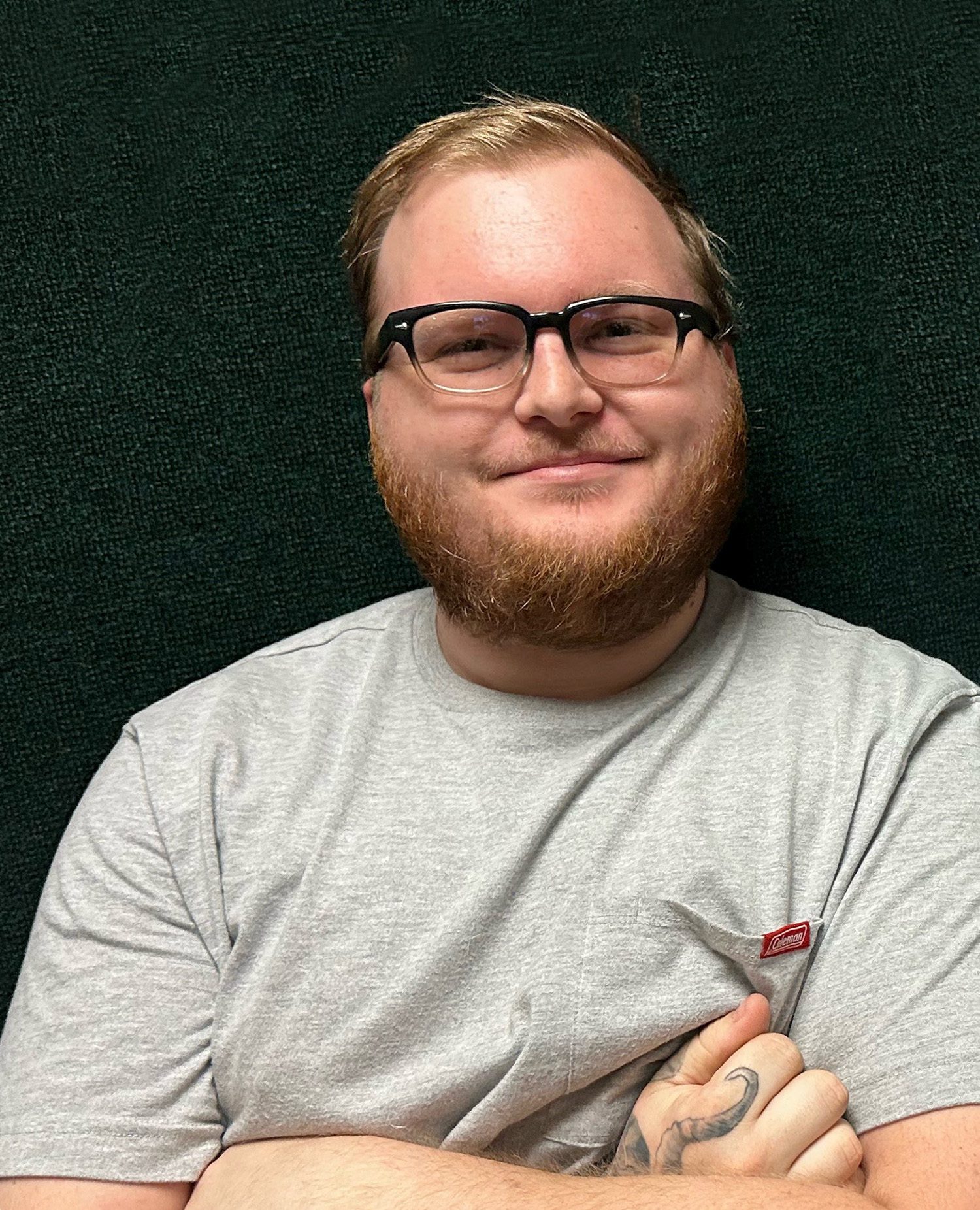
Ayden Przybylowicz
Associate of Science in Culinary Arts Graduate
“Because of the experiences I had at Keiser, along with the contacts I made, I made great progress throughout my career already. I thoroughly enjoyed the quality of my education at KU.”

Jennifer Kotzur
Curriculum and Instruction, PhD
“The C & I program at Keiser University is one of the best PhD programs, offering student-center learning and student-first learning. KU provided the rigor and growth I needed to be prepared for my future endeavors.”
Marie Boone
Family Nurse Practitioner, MSN
“I chose Keiser University because I was looking for a local University that was flexible and suited my needs as a parent and full-time RN. The weekly live interactions with the professors were a definite plus. The tuition was reasonable and less than other Universities. Keiser University’s motto, “purity, truth, wisdom” was honored by the commitment of the nursing faculty to the students.”

Javier Araque
Keiser University’s College of Nursing
“My name is Javier Araki, and I’m in the nursing program at Keiser University. What stands out most to me is their students-first approach. Everything is centered on preparing us for the real-world demands of the field. The faculty and staff genuinely support you and help in every way they can. Because of that environment, I truly feel empowered and confident about my future in nursing.”

Anthony Alber
KU Sport Management and Operations, MS Graduate
“I am forever grateful to have been a part of the Keiser Sports Management program! Not only did I gain professional momentum to kickstart my career, I received help from professors that truly care about their students and made great friends along the way.”

Osmara Cailam
Master of Science in Nursing Graduate
“Choosing Keiser was instrumental because they offered small class sizes and the faculty provided one-on-one time with all of the students. Being in an online program, it is essential to have someone accessible to you and the faculty was always there when we needed them. I was also impressed at the structure, organization and curriculum for the program at Keiser.”
Ryan Bushey
Content and Media Production
“My instructors weren’t interested in just teaching. They were invested in every single student. They were invested in me. I’m proud to say I went to Keiser University, if for no other reason, because of my personal and professional development my instructors brought me.”
Jane Krolewski
Master of Science in Family Nurse Practitioner Graduate
“The Family Nurse Practitioner Program at Keiser University is an excellent program managed by a group of dynamic and dedicated professional educators. During my time at Keiser University, there was never a moment when I felt alone or lost. The support and guidance of my instructors were instrumental in accomplishing my professional goals and certification.”

Kiefer Suau
Software Engineering Graduate
“The dedicated faculty and my incredible colleagues continually challenged, inspired, and encouraged me, shaping both my personal and professional growth. With my Bachelor of Science in Software Engineering, I’ve been able to pursue meaningful contributions in public service and technology.”
Jada Vidal
Culinary Arts Graduate
“Keiser was one of the best choices I made for culinary school but you must put in the time, show up, and listen to your chefs.“
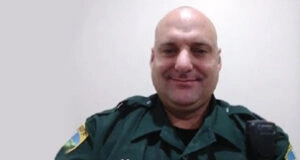
Wayne W.
Keiser University Criminal Justice graduate
When I came to Keiser University, I had no idea what I was capable of doing. I knew if I made good grades and worked hard, it would look good on my resume. It would also show my girls how important an education was. So, I worked hard. KU prepared me for Pat Thomas Law Enforcement Academy and the Florida State Correctional program…I have finally reached my goal of becoming a full-time deputy, with the Leon County Sheriff’s Office.
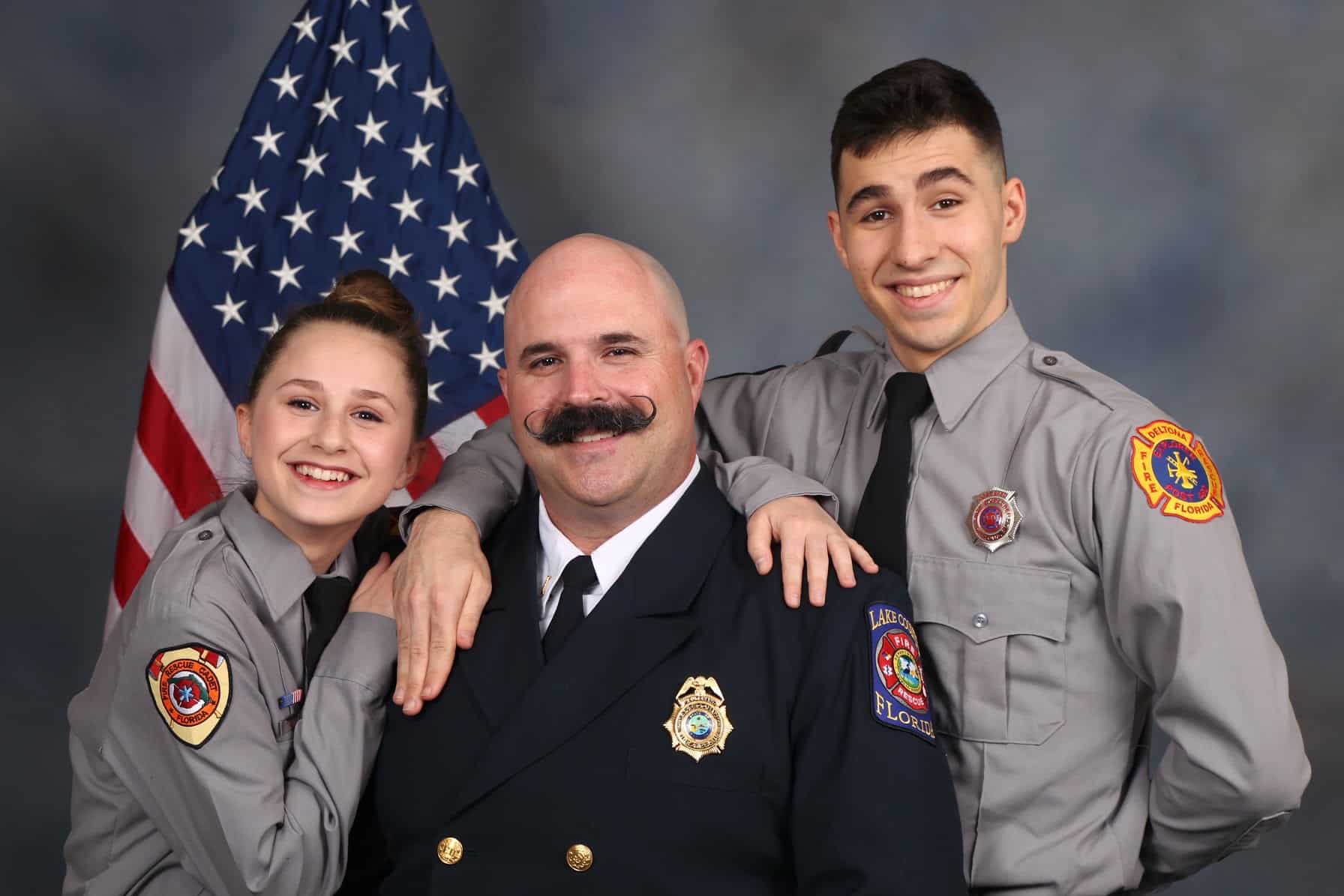
Jason Liska
Keiser Graduate and Lake County Fire Fighter and Paramedic
Liska said he chose the Keiser University Fire Science program because of the professors’ real-life experiences in the field and the convenience of the one-class-at-a-time and one-class-per-month schedule. “You’ve got to find a way to balance things and Keiser was very beneficial in providing me that balance.”
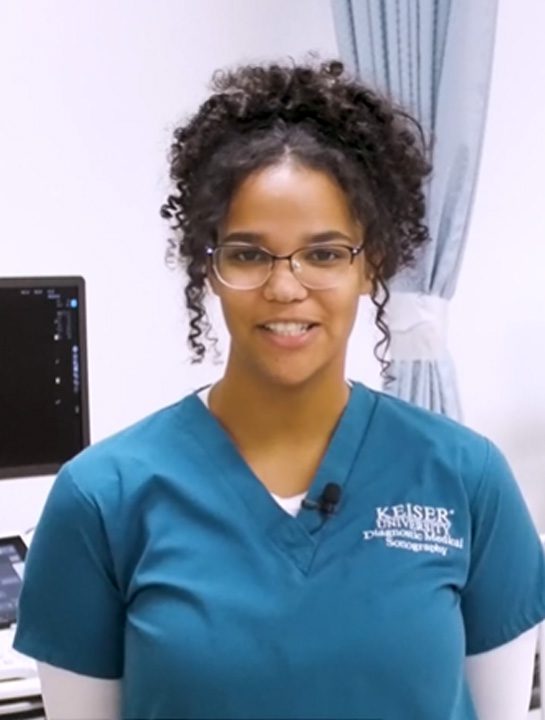
Desiree James
Keiser University Diagnostic Medical Sonography Graduate
I loved that Keiser University focused on one class per month. I feel I gained a lot from this because there were no distractions from other subjects in the same period of time. I found the information for each subject was better retained this way. In addition, my professors were always available for one-on-one help which is nearly unheard of in a large university or state college.
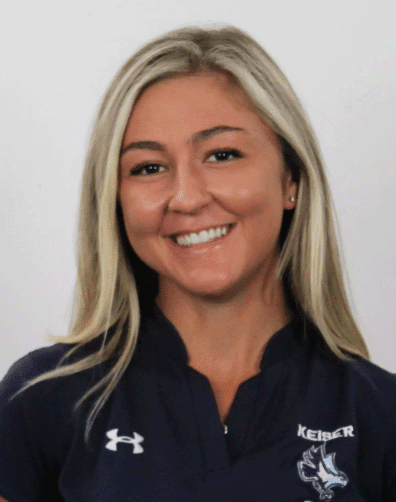
Deanna Confessore
Deanna Confessore – Golf Management graduate – Keiser University
My time at Keiser gave me hands-on experience teaching golf and great mentors to look up to.

Jason Loomis
Executive Director at Great River Golf Club.
“Huge gratitude towards Keiser University, you know, I was a golf enthusiast and wanted to get into the game. And it was a perfect school that opened its doors to me, let me in, and showed me the ropes. And their guidance and education, and not to mention mentorship, even after I graduated, has really propelled me into the professional I am today.”
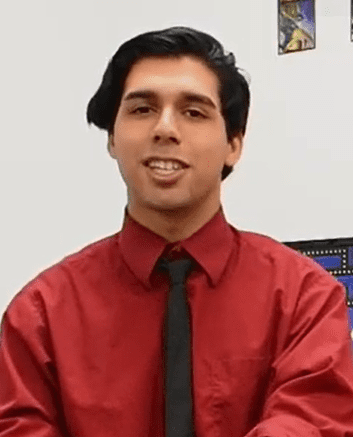
Samuel Fernandes
Animation and Game Design student – Keiser University
I’m Samuel Fernandes of Keiser University. I’m currently enrolled as a student under the animation and game design bachelors and I enjoy with my whole heart right now. I came to Keiser because it welcomes people and it was very warm and inviting. It allowed me to create the world I want. Here at Keiser, if you want to create world environments, if you want to enlist in characters, the game design program here is perfect.
Take The Next Steps to Become a Forensic Science Professional

How to Apply
- Submit your online application
- Speak with an admissions advisor
- Provide transcripts or transfer credits
- Enroll and choose your start date
Keiser University’s forensic investigations with science concentration program prepares students for careers in forensic science through comprehensive coursework in chemistry, biology, and specialized forensic science applications. With on-campus and hybrid learning options, our program provides the laboratory training and scientific foundation needed for success in crime labs and forensic laboratories. Whether you’re pursuing entry-level positions in forensic science or planning to continue your studies in graduate programs, Keiser provides the education and hands-on experience needed to make a lasting impact in the field of forensic science.
Accredited University
Keiser University is accredited by the Southern Association of Colleges and Schools Commission on Colleges (SACSCOC), ensuring your education meets rigorous academic standards.
Flexible Learning Options
Study on-campus or hybrid at Florida locations. Choose one class at a time. Evening and weekend options are available for working adults at select campuses.
Financial Services
We’re here to help guide you through the financial aid process and provide assistance. Grants, scholarships, and financial aid available for students who qualify.
Top Questions About Earning a Forensic Investigations with Science Concentration Degree
Can I get a forensic investigation degree online at Keiser University?
Due to extensive laboratory requirements, the Bachelor of Science in Forensic Investigations (Science Concentration) is primarily offered on campus with hybrid options as well.. Students receive hands-on experience in forensic photography, evidence analysis, and laboratory techniques that require physical presence in crime labs and science facilities.
What's the difference between the forensic investigations concentrations?
Keiser University offers two forensic investigations concentrations. The Science Concentration focuses on chemistry, physics, and biology for students pursuing careers in forensic laboratories and planning graduate studies in forensic sciences. The Investigations Concentration emphasizes crime scene investigation and evidence collection for law enforcement careers. Both bachelor of science programs prepare students for careers in forensic science and criminal justice fields.
What careers can I pursue with a forensic science degree?
Graduates can pursue careers as forensic scientists in crime labs, crime scene investigators with law enforcement agencies, forensic laboratory technicians, DNA analysts, fingerprint analysis specialists, evidence technicians, and medicolegal death investigators. The degree also prepares students for graduate programs in forensic sciences, forensic psychology, and related life sciences fields.
Can I transfer credits from another institution?
Yes, Keiser University accepts transfer credits for undergraduate and graduate-level programs. Our admissions team will work with you to review your transcripts and determine your transfer eligibility. Credits transfer based on several factors including accreditation and course equivalency. Learn more about credit transfer requirements and eligibility requirements.
What are the prerequisites for this forensic science program?
Entering students must achieve a Wonderlic score of 21 or above for entrance. Applicants undergo a level 2 criminal background check and complete a personal interview with the campus Forensic Investigations Program Director. Graduation Requirements (in addition to the Degree Requirements) A grade point average of 2.5 or better on a 4.0 system is required to graduate.
How much hands-on experience will I get?
The forensic investigations program provides extensive hands-on experience through laboratory courses in forensic chemistry, forensic biology, criminalistics, forensic photography, and crime scene processing. Students work with evidence analysis equipment, learn investigative techniques, and may complete internships with local law enforcement agencies, crime labs, or forensic laboratories.
How long does it take to complete the forensic investigations degree?
The Bachelor of Science in Forensic Investigations (Science Concentration) requires 120 credit hours and takes approximately 34 months to complete. Program length can vary based on transfer credits and course load.
How much does it cost to earn this degree?
Tuition at Keiser University varies by degree program. Keiser University offers financial aid, military and veteran benefits, scholarships, and tuition reimbursement to those who qualify. For more information about the degree cost, please contact an admissions advisor. Get more information about Keiser University’s tuition and costs.
What courses are required in the forensic investigations program?
Some of the required courses include General Biology, Forensic Photography, Introduction to Forensic Science Technology, Forensic Biology, Forensic Chemistry, Medico-Legal Death Investigation, and Advanced Evidence Presentation. The program combines life sciences coursework with specialized forensic science applications and investigative sciences training.
Will this degree prepare me for graduate school?
Yes. The Bachelor of Science in Forensic Investigations (Science Concentration) provides the prerequisites necessary for successful entry into graduate programs in forensic sciences. The program’s emphasis on chemistry, biology, physics, and research methods prepares students for advanced study in forensic psychology, criminal justice, homeland security, and related science degree programs.
This Program is Available at the Following Campuses


Related Programs














Connect with a Counselor
Connect with a Counselor


