

Top 100 Hispanic-Serving Institutions
(2024, Hispanic Outlook on Education Magazine)

Unlock Your Potential in the Homeland Security Career Field
Request More Information
Homeland Security: Your Path to a Meaningful Career
Keiser University knows students value career opportunities, affordability, and flexibility. Our homeland security programs help you start a new career or advance in your current role.


Study Your Way
Choose from online courses, on-campus learning, or a combined approach to fit your busy schedule.

Job-Ready Education
Access a curriculum designed to prepare you for high-demand homeland security careers.

Expert-Led Learning
Build real-world skills with personalized attention from Keiser’s faculty of industry experts.


Best Online Ph.D. in Educational Leadership (No. 2) & Organizational Psychology (No. 3)
(2024, Forbes)

#2 Best 4-year graduation rates, private, nonprofit, nonresidential
(2023, The Chronicle of Higher Ed.)
Why Choose Keiser University for Your Homeland Security Degree?

Build Career-Focused Skills
Our homeland security programs help you develop essential competencies for the homeland security industry:
- Communication and tactical coordination
- Critical thinking and analytical skills
- Ethical decision making and ethical frameworks
- Risk assessment and risk analysis
- Threat assessment capabilities
- Strategic planning techniques
- Understanding of international relations
- Knowledge of the intelligence cycle
- Emergency preparedness strategies
- Incident command system proficiency
Keiser University offers career-focused homeland security programs designed to support working adults, traditional students, and career changers. With flexible learning formats including on-campus, online, and hybrid classes, along with experienced faculty and comprehensive student support, Keiser University helps students achieve their personal and professional goals at every stage.
Accredited University
Keiser University is accredited by the Southern Association of Colleges and Schools Commission on Colleges (SACSCOC), ensuring your education meets rigorous academic standards.
Flexible Learning Options
Study online or on-campus at Florida locations. Choose one class at a time, on-campus, online, or hybrid. Evening and weekend options are available for working adults at select campuses.
Financial Services
We’re here to help guide you through the financial aid process and provide assistance. Grants, scholarships, and financial aid available for students who qualify.
Homeland Security Career Paths You Can Pursue
Keiser University students share a common goal: building meaningful careers through practical education. With online and on-campus options, our programs prepare graduates for careers in national security, emergency management, intelligence analysis, and public safety, providing skills and confidence for success in both the private sector and government agencies.
Career Opportunities in the Homeland Security Field
Graduates of Keiser University’s homeland security programs gain preparation for a wide spectrum of roles across the homeland security enterprise:
- Intelligence Analyst: Analyze intelligence reports and assess terrorist threats for the intelligence community
- Emergency Management: Lead emergency preparedness and response efforts for local communities
- Border Patrol Officer: Secure borders and enforce immigration laws
- Special Agent: Investigate domestic terrorism and international terrorist organizations
- Customs Agent: Inspect cargo and travelers at ports of entry
- Federal Emergency Management Agent (FEMA): Coordinate disaster response and recovery operations
- Transportation Security Administration (TSA) Officer: Protect transportation systems from terrorist threats
- Immigration and Naturalization Service Agent (INS): Enforce immigration policies
- Public Safety Officer: Protect local communities from various threats
- National Security: Develop and implement national security strategies
- Emergency Preparedness: Create plans for natural disasters and terrorist attacks
- Risk Management: Assess vulnerabilities in the homeland security industry
- Critical Infrastructure Protection: Secure essential facilities and systems
See What Sets Keiser Apart
Our homeland security programs benefit from specialized training tools that prepare students for real-world scenarios. The MILO simulators provide live-action scenarios, allowing homeland security students to practice tactical communications and de-escalation techniques while interacting directly with the simulation.
The MILO simulator demonstrates our hands-on, career-focused educational approach. It goes beyond the traditional classroom setting by placing students in real-life scenarios where they can engage with the types of organizations they may work with in the future. These tools help students develop practical knowledge and real world skills that employers in the homeland security enterprise value.
Our programs emphasize both theoretical understanding and hands-on experience. Students gain exposure to topics like international and domestic terrorism, organized crime, threat assessment, mass destruction scenarios, and the protection of critical infrastructure. This comprehensive approach ensures students develop both the analytical skills and communication skills necessary for success in homeland security related careers.
Take the Next Step Toward Your Career in Homeland Security

How to Apply
- Submit your online application.
- Speak with an admissions advisor.
- Provide transcripts or transfer credits.
- Enroll and choose your start date.
Whether you’re starting with an associate degree or pursuing a master’s degree, Keiser University offers flexible online and on-campus programs to fit your goals. Join a network of students and professionals making an impact in national security, emergency management, intelligence analysis, and public safety.
Benefit from expert faculty, hands-on learning, and career-focused support designed to help you succeed in the homeland security field.
Apply today and take the next step toward your future protecting the nation and serving local communities.
Students Testimonials
At Keiser University we are here to help you succeed by providing the professional and academic foundation to meet your educational goals and objectives
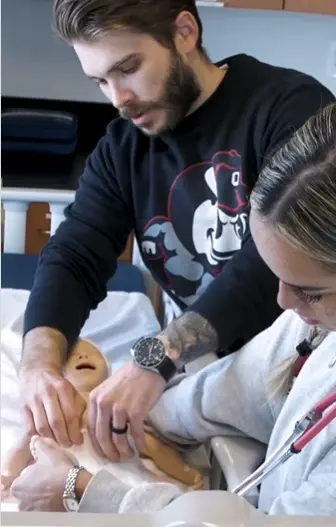
Tom Buchanan
Keiser University Nursing Student

Tom Buchanan, a military veteran and nursing student, says Keiser helped him transition into a meaningful healthcare career where he could continue serving his community. He appreciates the strong support available to veterans, including a dedicated VA adviser who is responsive, helpful, and committed to ensuring students fully use the benefits they earned through service.
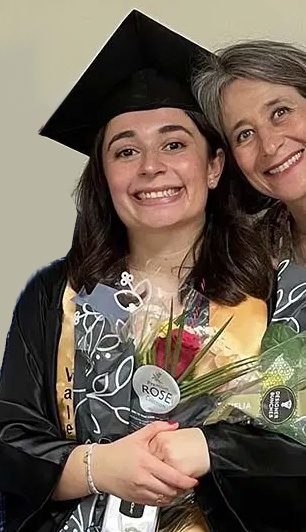
Audrey Chouraqui Azoulay
Cinematic Arts program graduate
Audrey Chouraqui Azoulay, a Cinematic Arts program graduate, has shared her positive experience. She expressed gratitude to her professors, Samantha Kountz and Jean Jacques, for their encouragement and support during her studies. Her story highlights a passion for film production and acknowledges the program’s contribution to her success.

Kadeshia Rose
Keiser University Software Engineering Student
The environment is friendly. The instructors really actually care about how you are going to get your degree. Keiser was a great fit.
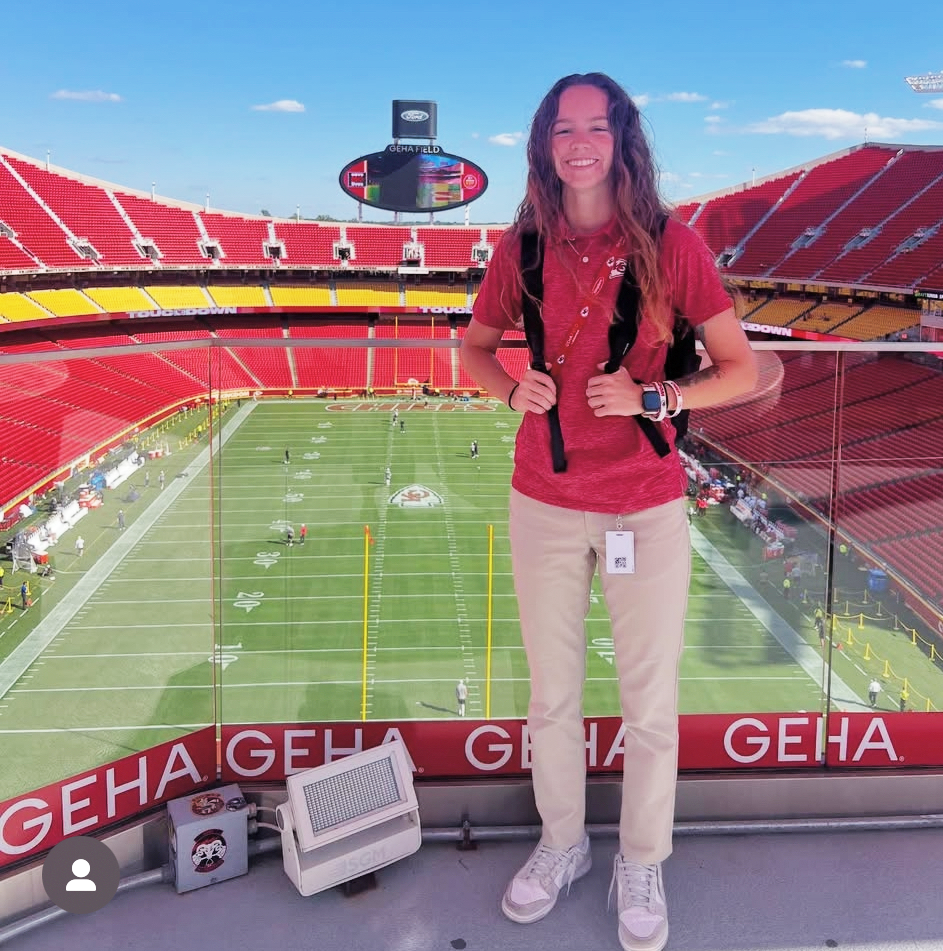
Kennedy Foster
Sports Management Graduate
Keiser University has always supported me in every aspect of my life. Athletically, they have provided top-notch coaches, athletic trainers, and strength coaches who truly helped mold and build me into the player that I am today. Academically, my professors brought out the best in me and constantly made me think critically in real-world situations, and professionally, my professors truly prepared me for my current job. Every task I am given, I can think back to my time at KU and think of an assignment or discussion that I had.

Antigonie Sanabria
Sports Management student
I picked Keiser because, first of all, it’s a school sports management, so I knew that there would be a higher focus of that here, and I knew I could get the best education that I wanted to have if I attended.
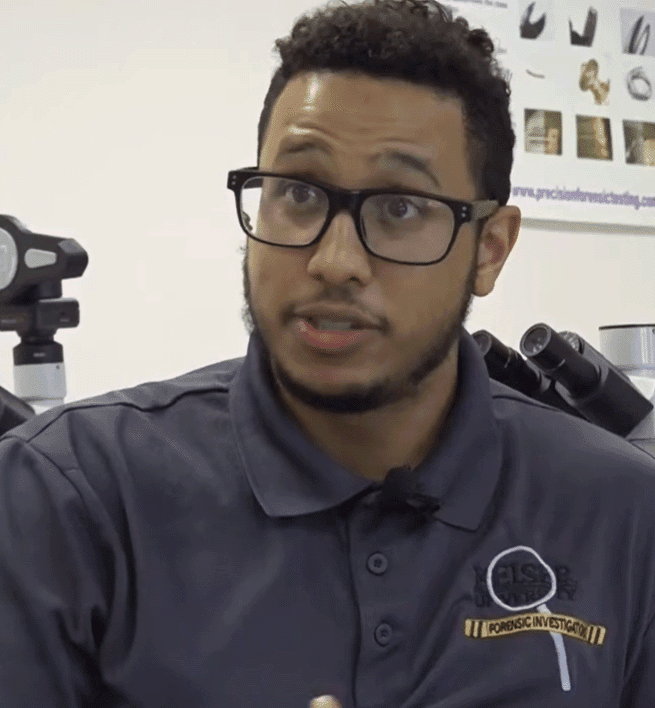
Lee Tamburro
Crime Scene Technology student
Being able to solve problems and try to figure out what exactly happened and try to help whoever is the victim is amazing. In a smaller classroom setting you have more time with your teacher. A lot of times you’re just a name on a paper in a bigger class but in Keiser’s smaller classes format, it’s a little more personable, and one class at a time is very helpful.

Amya Black
Culinary Arts, AS degree student
I chose Keiser because of a good friend of mine. She graduated last year and hearing all the good things about the program really made a difference. And this is possibly the best school experience I’ve had. Your teachers know your name. They know your personality. They know what to expect of you. Honestly, they push you to be the best version of yourself.
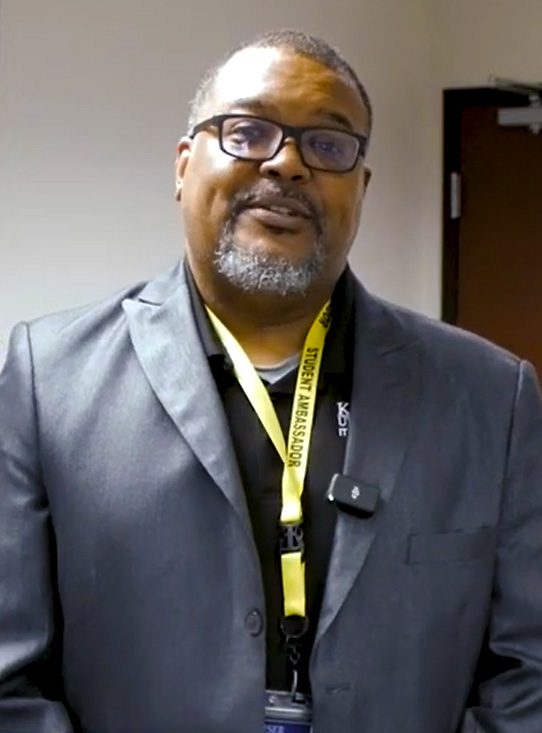
Marcus Walton
Keiser University Cybersecurity student
Keiser University is one big giant family and I feel that I’ve I learned a lot more here than I would on a traditional campus. This university has changed my life; I’m more assertive, I am completing tasks more efficiently, and I’ve learned a whole lot about it and cyber security.

Haley Roberge
BS in Forensic Investigations graduate
What I love about Keiser is the fact that there’s intimate class sizes, teachers that actually care about what you’re going to school for and they have real life experience; they’re going to be there for you throughout your journey; it’s not just you see that teacher one time and you’re done.

Will Doyle
Sports Medicine & Fitness Technology Graduate
I heard about Keiser University through a battle buddy that I was overseas with in the military. For me school was tough; the more one-on-one attention at Keiser helped me a lot and the teachers that seemed to reach out to you and care. I think that little push right there kept me dedicated. I became a gym owner because I got the skills I needed at Keiser.
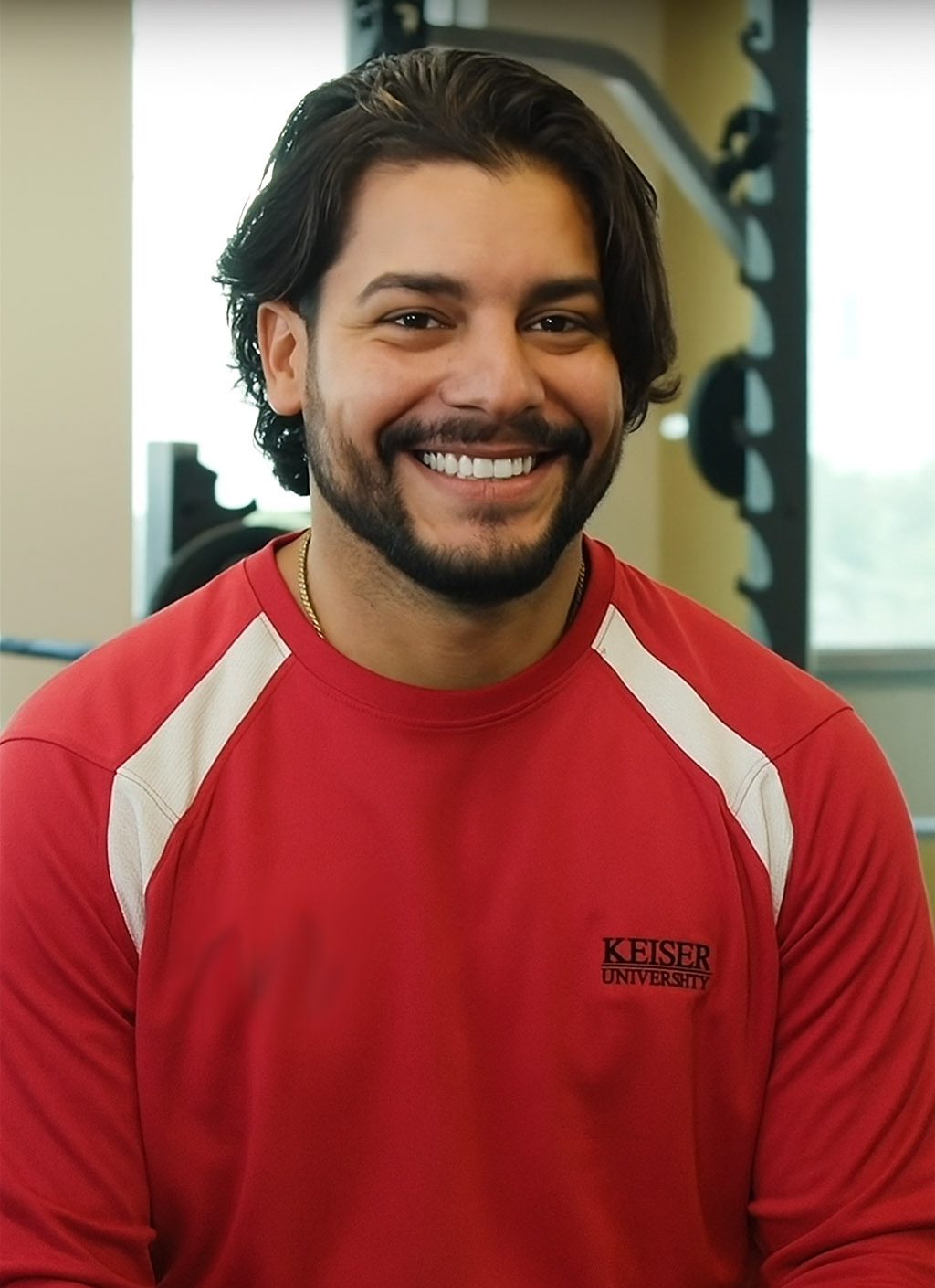
Alex Avila
Sports Medicine & Fitness Technology Student
Hands On, Practical Instruction. We have incredible instructors who are very knowledgeable in this field.

Jacvelyne Michel
Keiser University Nursing Student
I chose to study at Keiser University because they offer the accelerated nursing program which I could get my BS in in 16 months. They push us to do our best and they’re very fixated on us passing all of our classes and understanding the concepts. And they really prepare us well for the NCLEX exam.

Ryan G
Culinary Arts Graduates
“I know that when I go for a job interview and I have Keiser University on my resume that I am going to get the job.”
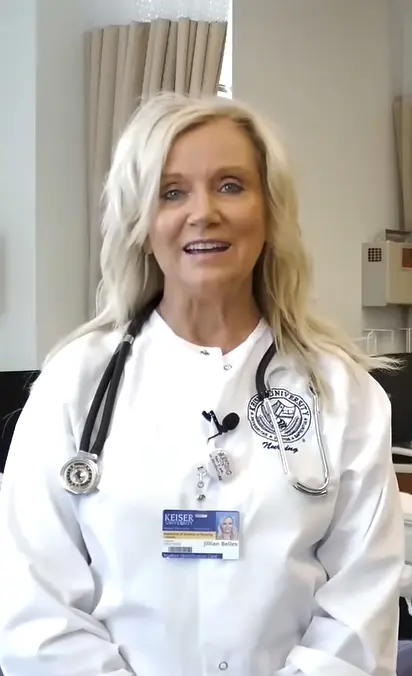
Jillian Bellis
Keiser University Nursing Student
Jillian Bellis, a nursing student, says Keiser University gave her the opportunity to return to school and pursue her lifelong passion for nursing. She highlights key benefits of Keiser, including flexible pathways for adult learners and career changers, supportive programs designed for students at different life stages, and the chance to pursue meaningful, career-focused education later in life.

Solange Mondesir
Keiser University College of Nursing Student
Seeing Keiser nurses out in the field – Keiser pushes out good nurses. So, I know I’m going to be prepared once I step out of the program.

Kadeshia Rose
Keiser University Software Engineering Student
The environment is friendly. The instructors really actually care about how you are going to get your degree. Keiser was a great fit.
Kiefer Suau
Bachelor of Science in Software Engineering graduate
Keiser University provided me with the foundation to turn ambition into action, equipping me with the discipline, purpose, and support necessary to make a lasting impact. The dedicated faculty and my incredible colleagues continually challenged, inspired, and encouraged me, shaping both my personal and professional growth. With my Bachelor of Science in Software Engineering, I’ve been able to pursue meaningful contributions in public service and technology, while advancing my career as a Board-Certified Behavior Analyst for Behavioral Pedestal LLC and Spring Health ABA.
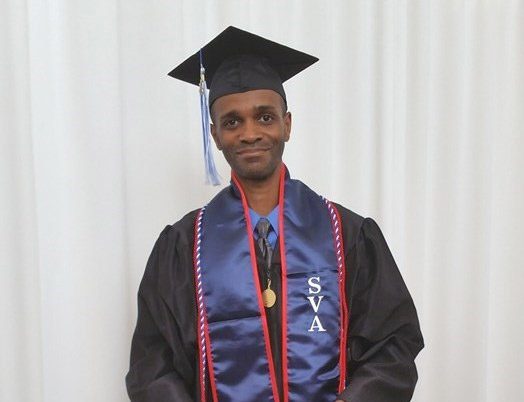
Brian Mardy, RN
Associates of Science Degree in Nursing
I was an active reservist and wanted to enter nursing. Keiser University provided me with new opportunities to do much more in life.

Gaelen Przybylowicz
Keiser University B.S. in Law Enforcement Operations – Forensics Concentration Graduate
I learned a lot about my subject field while attending Keiser. All my teachers continually promoted success and successful thinking, and my peers helped me to a higher standard than others because they knew I could achieve more.

Christy Marek
Keiser University B.S. in Law Enforcement Operations Graduate
KU taught me how to thoroughly do an investigation, read a police report, and understand crime scenes and photos of crime scenes along with any other evidentiary items. I really loved the classes in our program as well as being able to focus on one class a month. It allowed me to learn more.
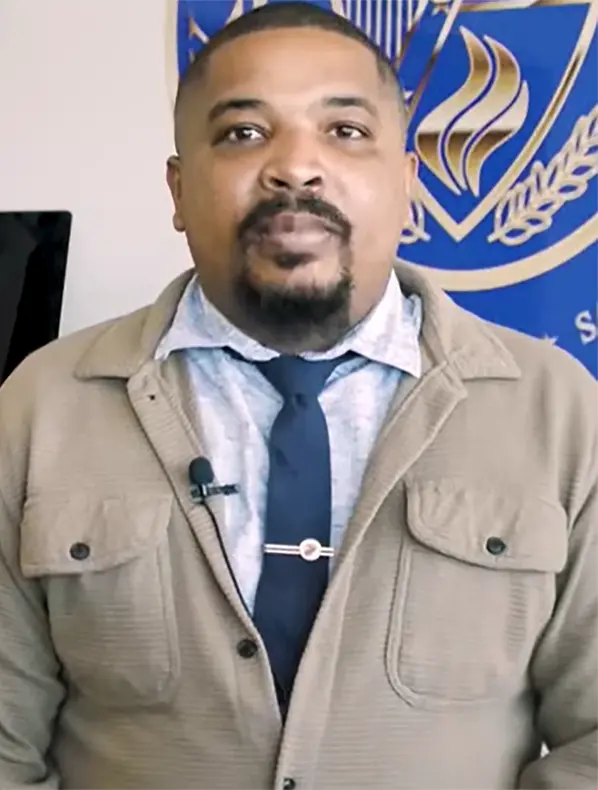
Brandon Alexander Presley
Legal Studies Student
“My experience at Keiser has been incredible, especially because of the small class sizes—they’re really catered to us and make learning more personal and engaging. As a veteran, I was worried about adjusting back to a structured routine, but the campus made that transition much easier. Overall, this campus has truly become like a family to me.”

Sarah S.
Keiser University Medical Assisting Graduate
I cannot thank Keiser University enough for the experience and the learning opportunities I have had here. I never thought that at 20 years old, I would be halfway through my bachelor’s degree and working full-time as a medical assistant.

Quondra B.
Keiser University Medical Assisting Graduate
“I have had the experience of dealing with classes that accommodated my schedule of being a full-time employee as well as a full-time mother of three. The hands-on experience and the knowledge received was outstanding. I was elated by the amount of information I received in such a short period of time.”

Danna Murphy
Master of Science in Nursing Graduate
“I really enjoyed the small class sizes and having an advisor at the campus who was able to guide me when I needed advice. I could take the program online, which helped tremendously as I was staying home with my children. Being able to do my schoolwork on my own timetable helped me to be accessible for my children and my husband.”
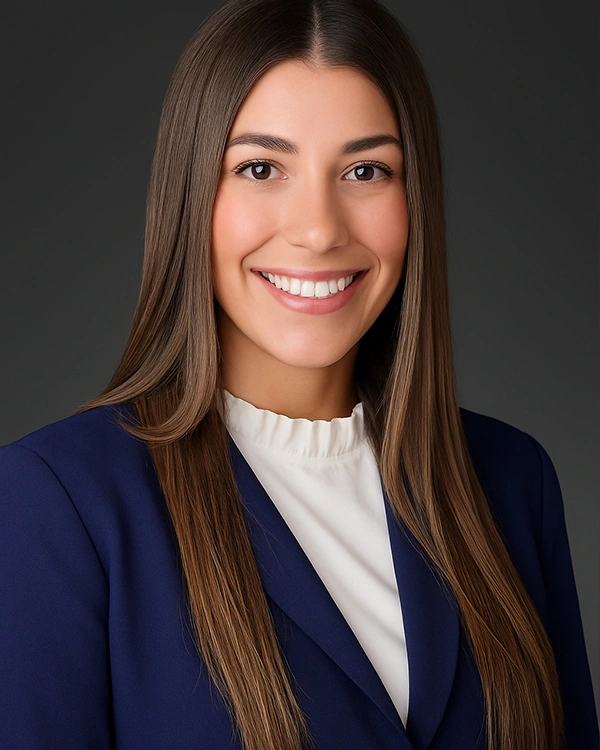
Arisnelvys Gonzalez, JD
Paralegal Studies Graduate
“Keiser University provided me with everything I needed for my future career as a licensed Florida Bar Attorney. While at KU I retained an Associates Degree in the Paralegal Studies Program. The Program helped me develop not only the essential skills a paralegal is required to hold but also long-term practical and professional skills.”
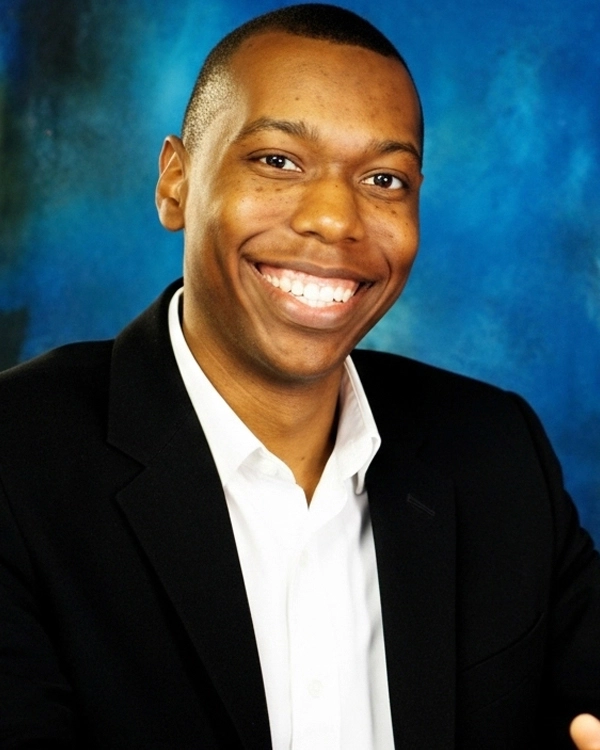
Justin Pugh
Full Stack Engineer
“The instructors at Keiser University impacted my life. They believed in my ability to become a great graphic designer, regardless of how I felt about my skills. KU helped to prepare me for the real world and got me to where I am today.”
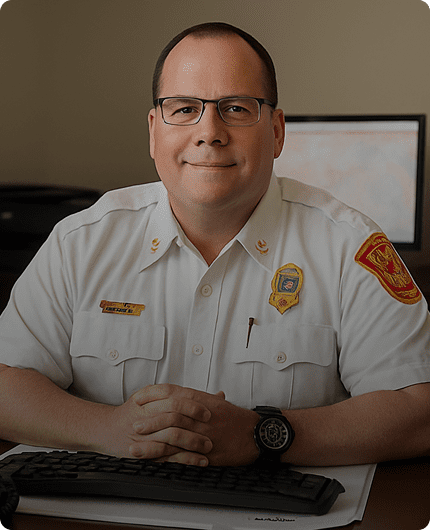
John F. Phelan
Fire Chief – Mashpee, MA
“When I first enrolled, I was new to the online educational environment and nervous as to how the experience would go. Keiser University has a knack for selecting educators who are perfect for this method of instruction, which allowed me and my fellow classmates to get up to speed quickly.”

Wayne Webb
Criminal Justice Graduate
“KU prepared me for Pat Thomas Law Enforcement Academy and the Florida State Correctional program. I have finally reached my goal of becoming a full-time deputy, with the Leon County Sheriff’s Office.”
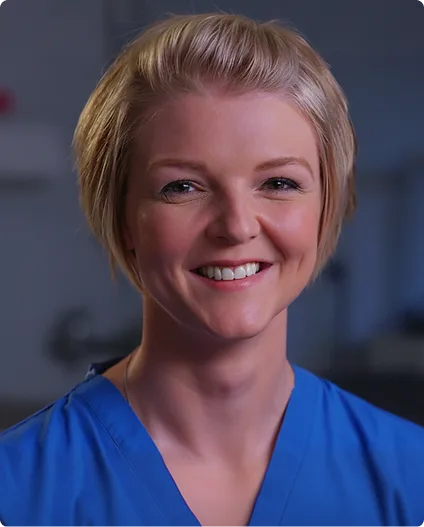
Emily Emilov
Forensic Investigations Graduate
“At Keiser University we’re here to help you succeed by providing the professional and academic foundation to meet your educational goals and objectives.”
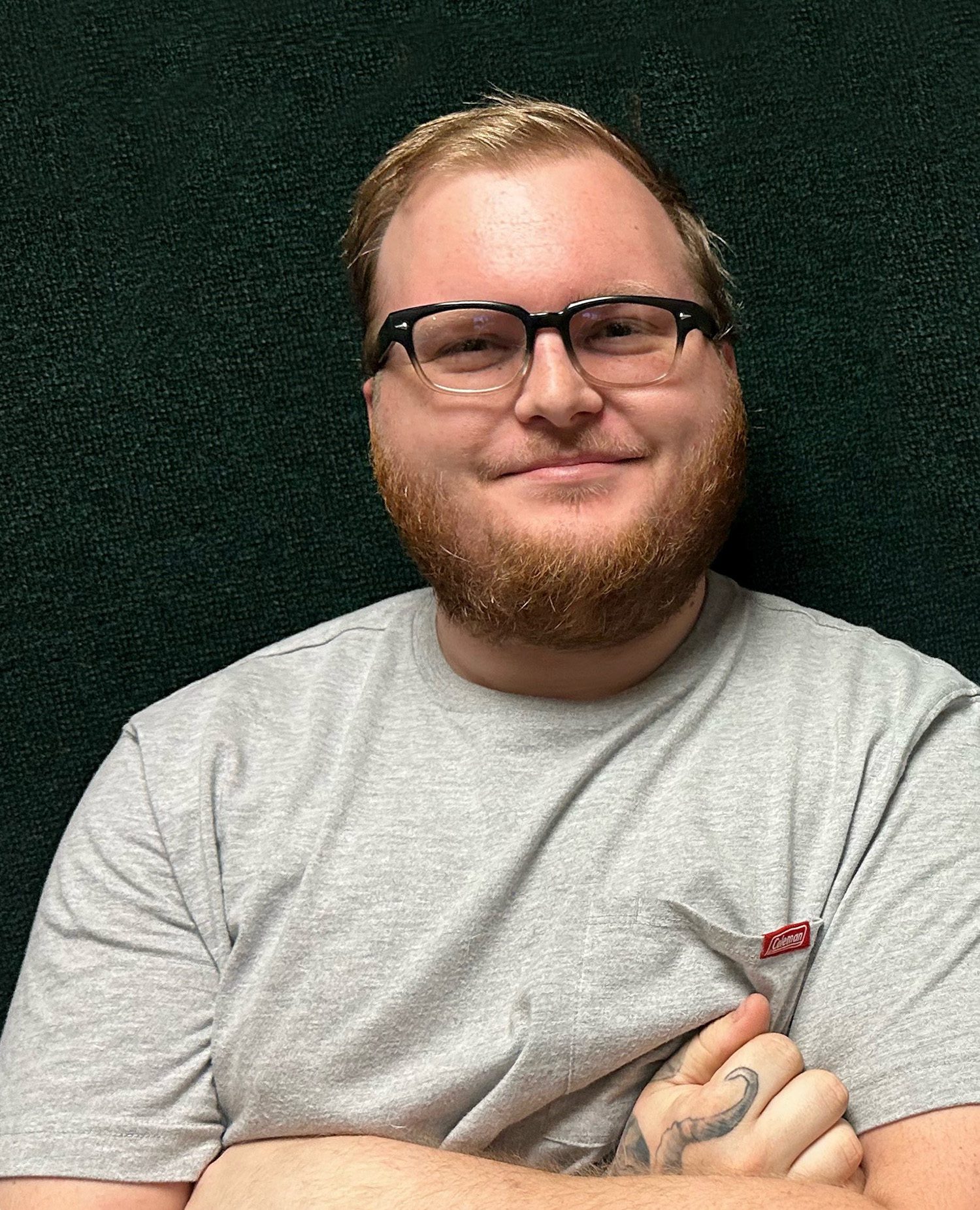
Ayden Przybylowicz
Associate of Science in Culinary Arts Graduate
“Because of the experiences I had at Keiser, along with the contacts I made, I made great progress throughout my career already. I thoroughly enjoyed the quality of my education at KU.”

Jennifer Kotzur
Curriculum and Instruction, PhD
“The C & I program at Keiser University is one of the best PhD programs, offering student-center learning and student-first learning. KU provided the rigor and growth I needed to be prepared for my future endeavors.”
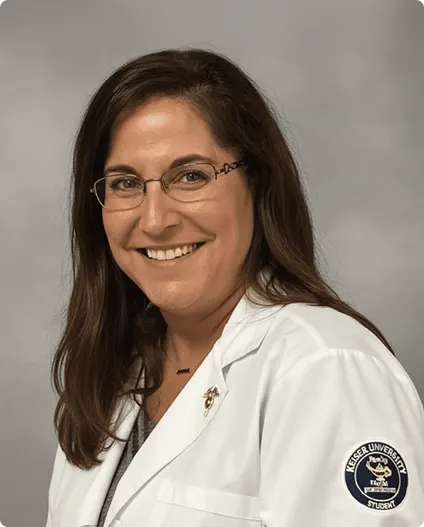
Marie Boone
Family Nurse Practitioner, MSN
“I chose Keiser University because I was looking for a local University that was flexible and suited my needs as a parent and full-time RN. The weekly live interactions with the professors were a definite plus. The tuition was reasonable and less than other Universities. Keiser University’s motto, “purity, truth, wisdom” was honored by the commitment of the nursing faculty to the students.”

Javier Araque
Keiser University’s College of Nursing
“My name is Javier Araki, and I’m in the nursing program at Keiser University. What stands out most to me is their students-first approach. Everything is centered on preparing us for the real-world demands of the field. The faculty and staff genuinely support you and help in every way they can. Because of that environment, I truly feel empowered and confident about my future in nursing.”

Anthony Alber
KU Sport Management and Operations, MS Graduate
“I am forever grateful to have been a part of the Keiser Sports Management program! Not only did I gain professional momentum to kickstart my career, I received help from professors that truly care about their students and made great friends along the way.”

Osmara Cailam
Master of Science in Nursing Graduate
“Choosing Keiser was instrumental because they offered small class sizes and the faculty provided one-on-one time with all of the students. Being in an online program, it is essential to have someone accessible to you and the faculty was always there when we needed them. I was also impressed at the structure, organization and curriculum for the program at Keiser.”
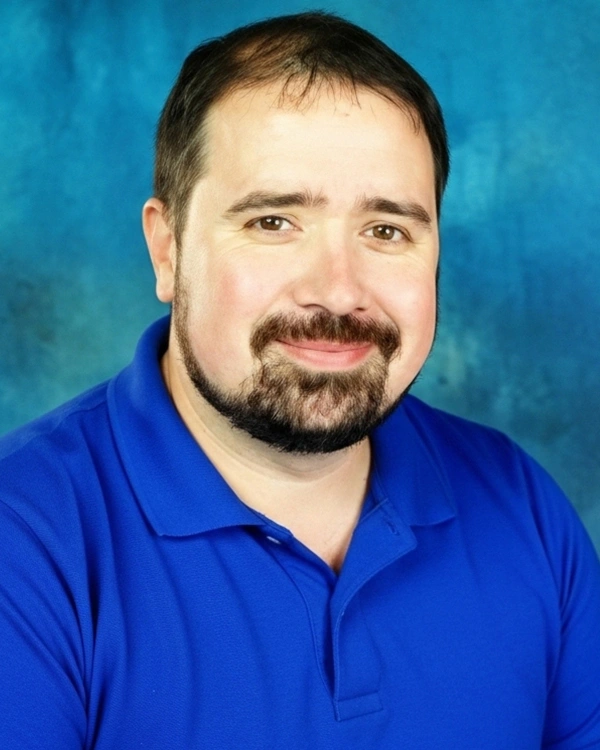
Ryan Bushey
Content and Media Production
“My instructors weren’t interested in just teaching. They were invested in every single student. They were invested in me. I’m proud to say I went to Keiser University, if for no other reason, because of my personal and professional development my instructors brought me.”

Jane Krolewski
Master of Science in Family Nurse Practitioner Graduate
“The Family Nurse Practitioner Program at Keiser University is an excellent program managed by a group of dynamic and dedicated professional educators. During my time at Keiser University, there was never a moment when I felt alone or lost. The support and guidance of my instructors were instrumental in accomplishing my professional goals and certification.”

Kiefer Suau
Software Engineering Graduate
“The dedicated faculty and my incredible colleagues continually challenged, inspired, and encouraged me, shaping both my personal and professional growth. With my Bachelor of Science in Software Engineering, I’ve been able to pursue meaningful contributions in public service and technology.”

Jada Vidal
Culinary Arts Graduate
“Keiser was one of the best choices I made for culinary school but you must put in the time, show up, and listen to your chefs.“

Heather S
Keiser University Criminal Justice Graduate
Once I graduated, I found a job right out of college within my degree. I now proudly work for the Florida Department of Juvenile Justice.

Wayne W.
Keiser University Criminal Justice graduate
When I came to Keiser University, I had no idea what I was capable of doing. I knew if I made good grades and worked hard, it would look good on my resume. It would also show my girls how important an education was. So, I worked hard. KU prepared me for Pat Thomas Law Enforcement Academy and the Florida State Correctional program…I have finally reached my goal of becoming a full-time deputy, with the Leon County Sheriff’s Office.
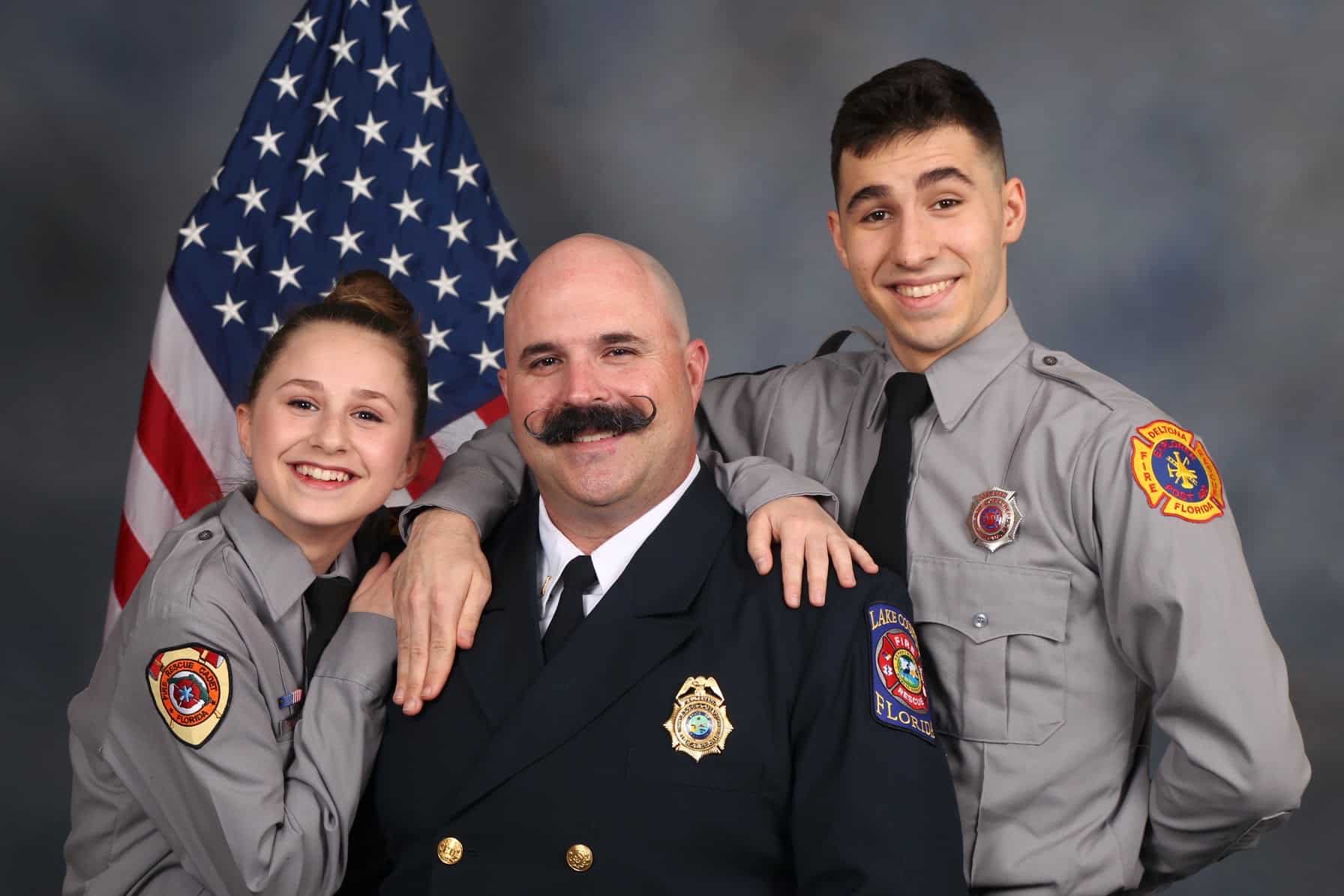
Jason Liska
Keiser Graduate and Lake County Fire Fighter and Paramedic
Liska said he chose the Keiser University Fire Science program because of the professors’ real-life experiences in the field and the convenience of the one-class-at-a-time and one-class-per-month schedule. “You’ve got to find a way to balance things and Keiser was very beneficial in providing me that balance.”
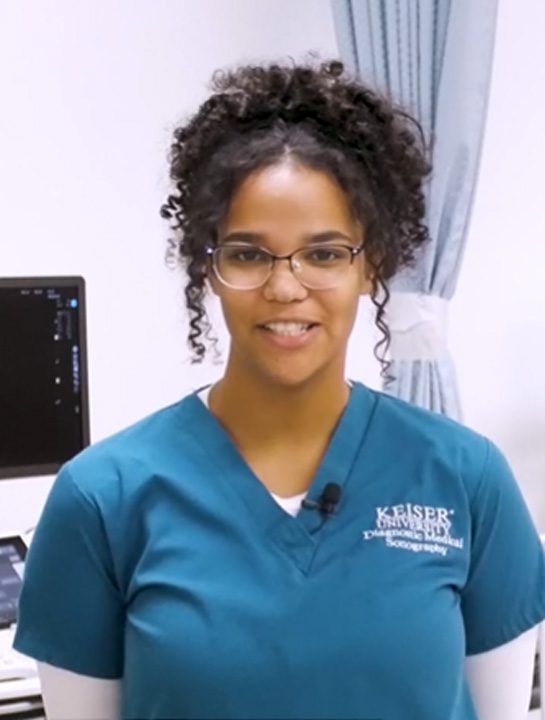
Desiree James
Keiser University Diagnostic Medical Sonography Graduate
I loved that Keiser University focused on one class per month. I feel I gained a lot from this because there were no distractions from other subjects in the same period of time. I found the information for each subject was better retained this way. In addition, my professors were always available for one-on-one help which is nearly unheard of in a large university or state college.
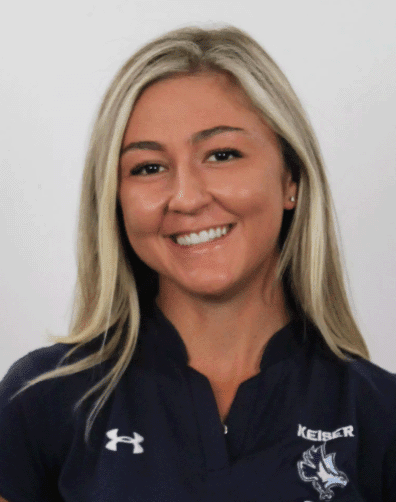
Deanna Confessore
Deanna Confessore – Golf Management graduate – Keiser University
My time at Keiser gave me hands-on experience teaching golf and great mentors to look up to.

Jason Loomis
Executive Director at Great River Golf Club.
“Huge gratitude towards Keiser University, you know, I was a golf enthusiast and wanted to get into the game. And it was a perfect school that opened its doors to me, let me in, and showed me the ropes. And their guidance and education, and not to mention mentorship, even after I graduated, has really propelled me into the professional I am today.”

Samuel Fernandes
Animation and Game Design student – Keiser University
I’m Samuel Fernandes of Keiser University. I’m currently enrolled as a student under the animation and game design bachelors and I enjoy with my whole heart right now. I came to Keiser because it welcomes people and it was very warm and inviting. It allowed me to create the world I want. Here at Keiser, if you want to create world environments, if you want to enlist in characters, the game design program here is perfect.
Homeland Security Programs Frequently Asked Questions
Can I get a homeland security degree online at Keiser University?
Yes. Many of Keiser University’s homeland security programs become available fully online, while others offer hybrid or on-campus options for students who prefer in-person learning. Our online bachelor’s degree and online master’s degree programs provide the same quality education as our on-campus offerings.
What's the difference between the associate, bachelor's, and master's homeland security programs?
Our associate programs provide foundational knowledge about the Department of Homeland Security and work well for entry-level roles in the homeland security field.
Bachelor’s degrees offer a deeper understanding of national security, emergency management, and critical infrastructure protection, opening doors to supervisory positions.
Master’s degrees prepare you for advanced leadership roles in the homeland security industry or specialized positions in intelligence analysis, risk assessment, and strategic planning.
What careers can I pursue with a homeland security degree?
Graduates of homeland security programs can pursue careers as intelligence analysts, emergency management officer, border patrol officers, federal agents, customs agents, public safety officers, special agents, and more, depending on their degree level and general concentration. Career paths span the intelligence community, law enforcement agencies, and the private sector.
Can I transfer credits from another institution?
Yes, Keiser University accepts transfer credits for undergraduate and graduate-level programs. Our admissions team will work with you to review your transcripts and determine your transfer eligibility. Credits transfer based on several factors including accreditation and course equivalency. Learn more about credit transfer and eligibility requirements and Graduate School transfer information.
What does financial aid look like for online students?
Online students pursuing an online degree can access the same financial aid resources as campus-based students, including grants, scholarships, and tuition assistance programs. Learn more about Keiser University’s Financial Services.
Do these programs hold accreditation?
Keiser University is accredited by the Southern Association of Colleges and Schools Commission on Colleges (SACSCOC) to award associate, bachelor’s, master’s, and doctoral degrees, ensuring your education meets rigorous academic standards. This accreditation demonstrates our commitment to providing quality education that prepares students for meaningful homeland security careers. The homeland security programs offer a robust and practical curriculum designed to equip students with the knowledge and skills needed for a successful career in the homeland security industry.
Can you work in federal law enforcement with a homeland security degree?
Yes. A homeland security degree from Keiser University provides foundational knowledge in law enforcement procedures, emergency management, intelligence analysis, and threat assessment needed to pursue careers in federal agencies. While specific training requirements vary by agency, graduates will be eligible for explore positions with the FBI, FEMA, TSA, and other related Local, State & Federal Emergency Management agencies.
How long does earning a homeland security degree take?
The time to completion depends on the degree level:
- Associate of Arts: Approximately 2 years
- Bachelor of Arts: Typically 4 years
- Master of Arts: 12 to 18 months
The time to degree completion is an estimate, not intended as a guarantee, and can vary based on many case-by-case factors.
How much does it cost to earn a homeland security degree?
Tuition at Keiser University varies by degree program. Keiser offers financial aid, military and veteran benefits, scholarships, and tuition reimbursement to those who qualify. For more detailed cost information, please contact an admissions advisor. Get more information about Keiser University’s tuition and costs.
What courses show up in a homeland security program?
Homeland security courses at Keiser include a mix of foundational and advanced topics in the social sciences and security studies, such as:
- Introduction to Homeland Security
- Domestic and International Terrorism
- Emergency Management Planning
- Cyber Security and Cyber-Terrorism
- Critical Infrastructure Protection
- Intelligence Analysis and Investigations
- Bio-Terrorism and Weapons of Mass Destruction
- Homeland Security Policy and Law
- Tactical Communications
- Risk Assessment and Risk Management
- Border Security Policies
- Crisis and Emergency Management
- Threat Assessment and Strategic Planning
- Incident Command System
- Constitutional Law for Homeland Security Professionals
Specific course requirements vary by degree level. Our curriculum prepares students with both theoretical understanding and real world skills needed for success in the homeland security field, whether working with international terrorist organizations, responding to natural disasters, or protecting the nation’s critical infrastructure.
Connect with a Counselor
Connect with a Counselor


