

Advance Your Career with a Bachelor of Arts in Criminal Justice (Forensics Concentration)
Request More Information
Criminal Justice: Building a Purposeful Career
Keiser University offers a Bachelor of Arts degree in Criminal Justice with a Forensics Concentration designed for students seeking careers at the intersection of law enforcement and forensic science. This program combines criminal justice principles with hands-on forensic science training to prepare graduates for high-demand careers in crime scene investigation and forensic analysis.
Master Crime Scene Investigation Techniques
Develop expertise in crime scene investigation, evidence collection, and forensic analysis through specialized coursework and practical application.
Learn from Expert Faculty
Study under experienced faculty members and professors who bring real-world knowledge from law enforcement, forensic laboratories, and criminal investigations to the classroom.
Learn On-Campus in Florida
Study on campus in beautiful South Florida. Get exposed to the field of forensics and springboard towards furthering your masters-level education in criminal justice and many other areas.
Prepare for Career Opportunities in Forensic Science
Gain the skills needed to pursue roles as a crime scene investigator, forensic science technician, or criminal justice professional across various agencies. Job growth in forensic science and criminal investigation fields continues to strengthen demand for trained professionals.
At a Glance
123
Credit Hours
40+
Courses
38
Months*
4
Week Terms
- Up to 12 credits of transfer credit*
- Career opportunities in forensic investigations, crime scene technology, law enforcement, and criminal justice
- Available On-Campus
- Financial aid for those who qualify**
* Time to degree completion and the number of transfer credits are estimates, not intended as a guarantee, and can vary based on many case-by-case factors.
** Speak with a dedicated financial aid counselor to explore all your financial aid and funding options.
Criminal Justice (Forensics Concentration), BA Overview
Keiser University’s Bachelor of Arts degree in Criminal Justice with a Forensics Concentration provides comprehensive preparation in criminal justice principles and forensic science applications. The program explores the criminal justice system, criminal behavior, law enforcement practices, criminal investigations, and forensic evidence analysis. The curriculum covers areas related to forensic psychology, criminology, and the scientific analysis of physical evidence.
Students learn to recognize, document, collect, and preserve physical evidence from crime scenes using scientific principles and investigative techniques. The curriculum covers forensic photography, fingerprint analysis, evidence handling protocols, and criminalistics while building strong foundations in criminal law, criminal procedure, and the criminal justice system. Training includes analysis of tire tracks, DNA samples, and other physical evidence types commonly found at crime scenes.
Through a combination of classroom instruction and hands-on experience, students gain both theoretical knowledge and practical skills. The forensic science concentration introduces methods used to identify, develop, and preserve forensic evidence for presentation in legal proceedings. Professors and faculty members guide students through the scientific processes forensic scientists and crime scene investigators use in real-world investigations. Graduates leave prepared for careers in crime scene investigation, forensic laboratories, law enforcement agencies, and criminal justice organizations across multiple industries.
Program Mission
The mission of Keiser University’s Bachelor of Arts in Criminal Justice with a forensic concentration is to develop knowledgeable and ethical professionals equipped with critical thinking abilities and essential soft skills, empowering them to excel in the diverse landscape of criminal justice. By integrating advanced forensic principles and practical skills in evidence recognition, processing, documentation, collection, and preservation, the program prepares graduates for impactful careers in forensic investigation and criminal justice, ensuring they contribute positively to the integrity of legal proceedings and the pursuit of justice.
Program Goals
- To gain essential skills in research, data organization, problem-solving, and collaboration, while providing a comprehensive understanding of the American Judicial System and the roles of key law enforcement personnel.
- To develop the essential skills in field investigative procedures and forensic techniques, while fostering practical knowledge and communication abilities necessary for successful careers and advancement in the criminal justice field.
- To develop the specialized knowledge and skills necessary to effectively and safely process and document evidence in forensic investigations, while also fostering ethical leadership abilities that prepare them to excel as competent professionals in the criminal justice field.
- Students will gain foundational knowledge of legal evidence procedures, witness demeanor, and courtroom protocols to effectively contribute to legal proceedings, while also fostering an environment of tolerance and respect that encourages constructive dialogue and diverse perspectives, enhancing their critical thinking and collaboration skills in criminal justice.
Prerequisites for Major Courses
Students must successfully complete the English Composition course prior to entering the Integrated Criminal Justice Capstone Project.
Program Highlights
The Forensics Concentration provides specialized training in forensic science and crime scene investigation. Students complete coursework in Forensic Photography, Introduction to Forensic Science Technology, Fingerprint Identification and Development, and two semesters of Criminalistics. This concentration exposes students to scientific methods used in forensic laboratories and crime scene investigations, creating unique career pathways in both criminal justice and forensic science fields. The curriculum helps students discover their interests across various forensic specialties including trace evidence analysis, fingerprint comparison, and crime scene documentation. The program also serves as excellent preparation for graduate studies in criminal justice, forensic psychology, forensic toxicology, and related disciplines.
Estimated Student Costs
Required and Optional Fees for Programs: Fees are costs set by the university in addition to tuition (and room and board, if applicable). These fees may be required for your program or optional depending on the courses you take, and they support the costs associated with completing an approved program of study. Fees are defined in the university’s catalog or supplement and listed on the school’s billing statement or invoice. Fees that are optional will not be paid using GI Bill® benefits and will be the responsibility of the student choosing these additional options. For additional guidance, please see your Program Director or Admissions Counselor.
Accreditation Statuses
Keiser University holds institutional accreditation from the Southern Association of Colleges and Schools Commission on Colleges (SACSCOC) to award associate, bachelor’s, master’s, and doctoral degrees. The SACSCOC accreditation ensures Keiser University meets rigorous quality standards, which is crucial for students as it affects access to federal financial aid, the transferability of credits to other accredited schools, and recognition of degrees for graduate programs and employers. This accreditation signifies that the institution adheres to standards that ensure educational quality and institutional effectiveness. The Criminal Justice program with Forensics concentration provides rigorous academic training and aligns with standards for forensic science education and hands-on training.
Program Outline
Available On Campus
Bachelor of Arts in Criminal Justice (Forensics Concentration)
The Bachelor of Arts in Criminal Justice with a Forensics Concentration at Keiser University combines comprehensive criminal justice education with specialized forensic science training. Students explore the criminal justice system, criminal behavior, law enforcement practices, and forensic investigations while gaining hands-on experience with crime scene procedures and evidence analysis. The curriculum prepares graduates for successful careers in law enforcement, forensic laboratories, crime scene investigation units, and criminal justice agencies. Students discover how to apply scientific principles to criminal investigations and learn to analyze various types of physical evidence.
To receive a Bachelor of Arts degree in Criminal Justice, students must complete 121 credit hours, or 123 credit hours if taking the Forensics concentration, as follows:
Lower Division Courses
| Lower Division Criminal Justice Major Courses (21.0 credit hours) | |
|---|---|
| Criminology | 3.0 credit hours |
| Introduction to Criminal Justice | 3.0 credit hours |
| Introduction to Corrections | 3.0 credit hours |
| Communications and Writing for CJ Professionals | 3.0 credit hours |
| Criminal Investigation | 3.0 credit hours |
| Introduction to Juvenile Procedures | 3.0 credit hours |
| Criminal Law | 3.0 credit hours |
Lower Division General Education Courses (46.0 credit hours)
| Behavioral Sciences/Social Sciences (6.0 credit hours) | |
|---|---|
| Sociology | 3.0 credit hours |
| Psychology | 3.0 credit hours |
| Political Science | 3.0 credit hours |
| Introduction to Psychology | 3.0 credit hours |
| Sociology | 3.0 credit hours |
| Communications (3.0 credit hours) | |
|---|---|
| Speech Communications | 3.0 credit hours |
| Computers (3.0 credit hours) | |
|---|---|
| Introduction to Computers | 3.0 credit hours |
| Economics (3.0 credit hours) | |
|---|---|
| Microeconomics | 3.0 credit hours |
| Macroeconomics | 3.0 credit hours |
| English (6.0 credit hours) | |
|---|---|
| English Composition I | 3.0 credit hours |
| English Composition II | 3.0 credit hours |
| Humanities/Fine Arts (3.0 credit hours) | |
|---|---|
| Any Humanities/Fine Arts course offered by KU | 3.0 credit hours |
| Mathematics (6.0 credit hours) | |
|---|---|
| College Algebra | 3.0 credit hours |
| College Mathematics | 3.0 credit hours |
| * Statistics (required) | 3.0 credit hours |
| Natural Science (16.0 credit hours) | |
|---|---|
| Biology I | 3.0 credit hours |
| Biology I Laboratory | 1.0 credit hours |
| Anatomy and Physiology with Terminology and Disease Process | 4.0 credit hours |
| General Chemistry | 3.0 credit hours |
| General Chemistry Laboratory | 1.0 credit hours |
| Advanced Chemistry | 3.0 credit hours |
| Advanced Chemistry Laboratory | 1.0 credit hours |
Upper Division Courses
| Major Course Requirements (30.0 credit hours) | |
|---|---|
| Select at least 30 credit hours from below: | |
| Deviant Behavior | 3.0 credit hours |
| Ethics in Criminal Justice | 3.0 credit hours |
| Drug Control | 3.0 credit hours |
| Terrorism | 3.0 credit hours |
| Human Exploitation | 3.0 credit hours |
| Cyber Crimes | 3.0 credit hours |
| Integrated CJ Capstone Project | 3.0 credit hours |
| Constitutional Criminal Proceedings | 3.0 credit hours |
| Criminal Evidence and Procedures | 3.0 credit hours |
| Criminal Justice Internship I | 3.0 credit hours |
| Criminal Justice Internship II | 3.0 credit hours |
| Added Major Courses if not taking Forensics Concentration (18 credit hours) | |
|---|---|
| Select at least 18 credit hours from below: | |
| Introduction to Law Enforcement | 3.0 credit hours |
| Victimology | 3.0 credit hours |
| Criminal Justice Management | 3.0 credit hours |
| Private Security | 3.0 credit hours |
| Comparative CJ Systems | 3.0 credit hours |
| Protective Services | 3.0 credit hours |
| Organized Crime | 3.0 credit hours |
| White Collar & Economic Crime | 3.0 credit hours |
Concentration Program Description The Forensics concentration courses include, Forensic Photography, Introduction to Forensic Science Technology, Fingerprint Identification and Development, and Criminalistics I and II. The forensic science and criminalistics focus introduce students to methods used to identify, develop, and preserve forensic evidence. This concentration will provide Criminal Justice students with a unique skillset, expose students to the field of forensics, and springboard them towards furthering their masters-level educations in criminal justice, psychology, accounting, engineering, and many other disciplines.
| Forensics Concentration Courses (20.0 credit hours) | |
|---|---|
| Forensic Photography | 4.0 credit hours |
| Introduction to Forensic Science Technology | 4.0 credit hours |
| Fingerprint ID & Development | 4.0 credit hours |
| Criminalistics I | 4.0 credit hours |
| Criminalistics II | 4.0 credit hours |
| Upper Division General Education Courses (6.0 credit hours) | |
|---|---|
| Research Writing | 3.0 credit hours |
| Interpersonal Communications | 3.0 credit hours |
Note: All lower division major and general education courses must be successfully completed before upper division courses are undertaken.
If you’re someone who cares about…
Making a real difference through forensic science and criminal investigation,
a criminal justice degree with forensics concentration might be your calling.
Criminal justice students with a forensics concentration bring analytical thinking, attention to detail, and scientific curiosity to every crime scene. They combine knowledge of the criminal justice system with expertise in forensic science to help solve crimes and support the legal process.
Whether you pursue careers in crime scene investigation, forensic laboratories, or law enforcement, this program gives you the scientific training and criminal justice foundation to make meaningful contributions to public safety over the next decade and beyond.


Top 100 Hispanic-Serving Institutions
(2024, Hispanic Outlook on Education Magazine)

Best Online Ph.D. in Educational Leadership (No. 2) & Organizational Psychology (No. 3)
(2024, Forbes)

#2 Best 4-year graduation rates, private, nonprofit, nonresidential
(2023, The Chronicle of Higher Ed.)
What Jobs Can You Get with a Bachelor's Degree in Criminal Justice (Forensics Concentration)?
Graduates of Keiser University’s Criminal Justice program with a Forensics Concentration gain preparation for roles across law enforcement, forensic laboratories, and criminal investigation units. This science degree supports both entry-level positions and advancement opportunities in forensic science and criminal justice fields. The job market for forensic science technicians shows consistent demand as law enforcement agencies and crime laboratories seek trained professionals.
Career Opportunities in Forensic Science and Criminal Justice
- Crime scene investigator
- Evidence technician
- Fingerprint analyst
- Criminal investigator
- Police detective
- Forensic laboratory assistant
- Crime scene technician
- Law enforcement officer
- Private investigator
- Forensic specialist
- Forensic photographer
- Forensic toxicology assistant
- Trace evidence analyst

Why Choose Keiser University?

Gain Job-Ready Skills for a Forensic Science Career
- Scientific analysis of physical evidence
- Crime scene documentation and photography
- Fingerprint identification and development
- Evidence collection and preservation
- Criminal investigation methods
- Forensic chemistry principles
- Geography and crime scene mapping
- Report writing and case documentation
- Critical thinking and problem-solving
- Ethical decision-making in forensic contexts
- Forensic toxicology screening procedures
Keiser University offers career-focused degree programs designed to support working adults, traditional students, and career changers. With on-campus, online, and hybrid learning options, experienced faculty, and comprehensive student support, Keiser helps learners achieve their personal and professional goals at all levels. Our programs prepare students for successful careers in high-demand fields where job growth continues over the next decade.
See What Sets Keiser Apart
In a forensic classroom setting, the Forensics program instructor explains the fundamentals of bloodstain pattern analysis and how it is used to reconstruct crime scenes.
The instructor describes how the shape of a bloodstain depends on the angle at which it impacts a surface. When blood hits a surface directly (perpendicular), it forms a circular stain with equal width and length. When it strikes at an angle, it creates an elongated stain with a tail or “spine,” which indicates the direction the blood was traveling.
Students learn that investigators measure the width and length of the stain (excluding the spine) and apply mathematical calculations, such as the inverse cosine, to determine the angle of impact. By analyzing multiple stains and using stringing techniques, they can trace the trajectories back to identify the point of origin, or where the individual was positioned when the blood was shed.
The instructor also demonstrates how objects or individuals at the scene can block blood spatter, creating shadowed areas known as void patterns. These patterns help reveal the presence of a person or object that may no longer be at the scene, providing valuable insight into possible participants and the sequence of events.
Students Testimonials
At Keiser University we are here to help you succeed by providing the professional and academic foundation to meet your educational goals and objectives.

Wayne W.
Keiser University Criminal Justice graduate

When I came to Keiser University, I had no idea what I was capable of doing. I knew if I made good grades and worked hard, it would look good on my resume. It would also show my girls how important an education was. So, I worked hard. KU prepared me for Pat Thomas Law Enforcement Academy and the Florida State Correctional program…I have finally reached my goal of becoming a full-time deputy, with the Leon County Sheriff’s Office.

Heather S
Keiser University Criminal Justice Graduate
Once I graduated, I found a job right out of college within my degree. I now proudly work for the Florida Department of Juvenile Justice.
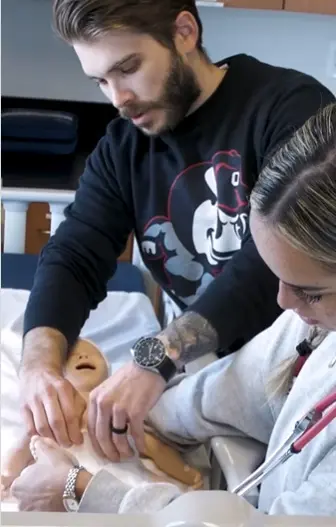
Tom Buchanan
Keiser University Nursing Student
Tom Buchanan, a military veteran and nursing student, says Keiser helped him transition into a meaningful healthcare career where he could continue serving his community. He appreciates the strong support available to veterans, including a dedicated VA adviser who is responsive, helpful, and committed to ensuring students fully use the benefits they earned through service.
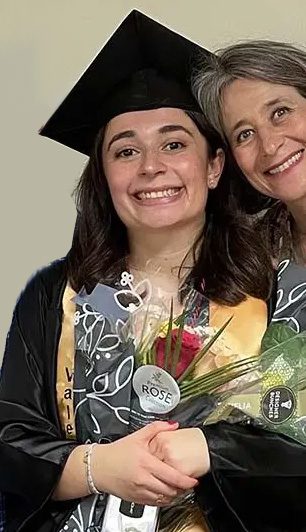
Audrey Chouraqui Azoulay
Cinematic Arts program graduate
Audrey Chouraqui Azoulay, a Cinematic Arts program graduate, has shared her positive experience. She expressed gratitude to her professors, Samantha Kountz and Jean Jacques, for their encouragement and support during her studies. Her story highlights a passion for film production and acknowledges the program’s contribution to her success.

Kennedy Foster
Sports Management Graduate
Keiser University has always supported me in every aspect of my life. Athletically, they have provided top-notch coaches, athletic trainers, and strength coaches who truly helped mold and build me into the player that I am today. Academically, my professors brought out the best in me and constantly made me think critically in real-world situations, and professionally, my professors truly prepared me for my current job. Every task I am given, I can think back to my time at KU and think of an assignment or discussion that I had.

Antigonie Sanabria
Sports Management student
I picked Keiser because, first of all, it’s a school sports management, so I knew that there would be a higher focus of that here, and I knew I could get the best education that I wanted to have if I attended.
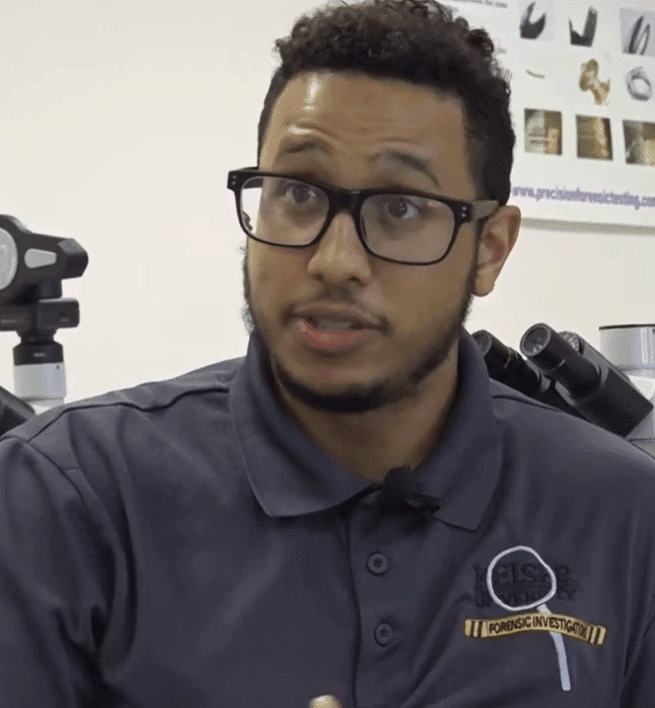
Lee Tamburro
Crime Scene Technology student
Being able to solve problems and try to figure out what exactly happened and try to help whoever is the victim is amazing. In a smaller classroom setting you have more time with your teacher. A lot of times you’re just a name on a paper in a bigger class but in Keiser’s smaller classes format, it’s a little more personable, and one class at a time is very helpful.

Amya Black
Culinary Arts, AS degree student
I chose Keiser because of a good friend of mine. She graduated last year and hearing all the good things about the program really made a difference. And this is possibly the best school experience I’ve had. Your teachers know your name. They know your personality. They know what to expect of you. Honestly, they push you to be the best version of yourself.
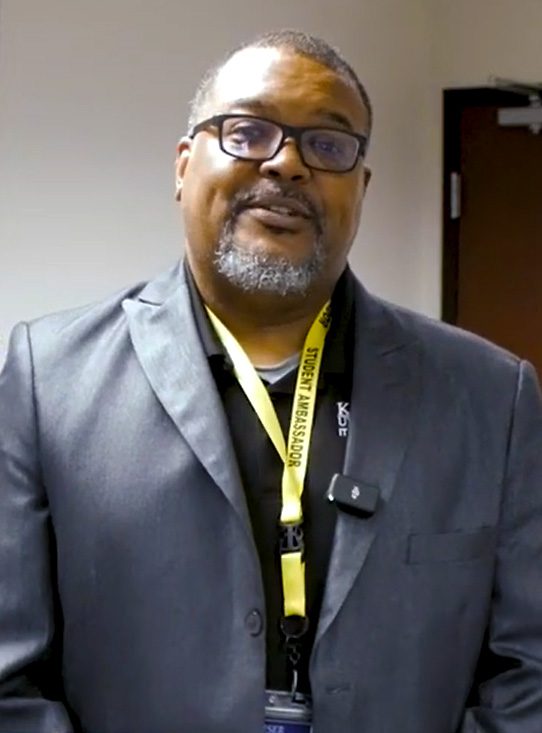
Marcus Walton
Keiser University Cybersecurity student
Keiser University is one big giant family and I feel that I’ve I learned a lot more here than I would on a traditional campus. This university has changed my life; I’m more assertive, I am completing tasks more efficiently, and I’ve learned a whole lot about it and cyber security.
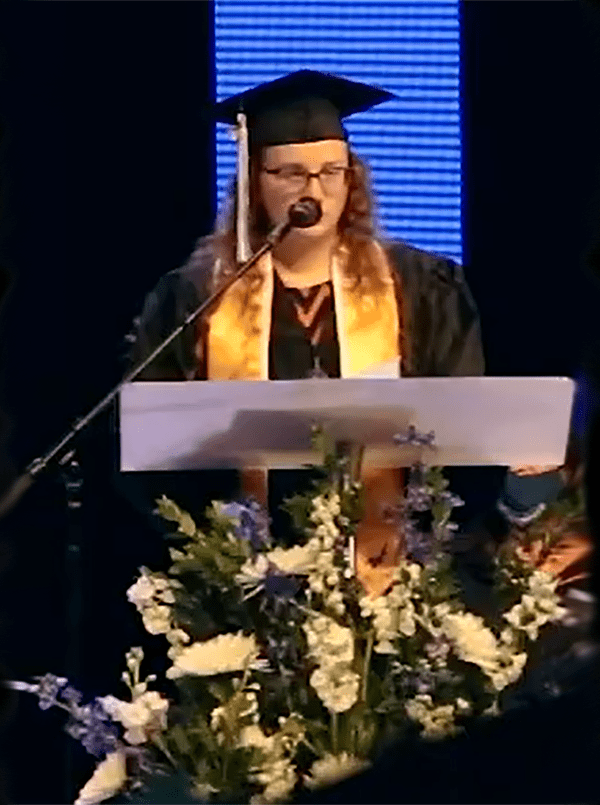
Haley Roberge
BS in Forensic Investigations graduate
What I love about Keiser is the fact that there’s intimate class sizes, teachers that actually care about what you’re going to school for and they have real life experience; they’re going to be there for you throughout your journey; it’s not just you see that teacher one time and you’re done.

Will Doyle
Sports Medicine & Fitness Technology Graduate
I heard about Keiser University through a battle buddy that I was overseas with in the military. For me school was tough; the more one-on-one attention at Keiser helped me a lot and the teachers that seemed to reach out to you and care. I think that little push right there kept me dedicated. I became a gym owner because I got the skills I needed at Keiser.
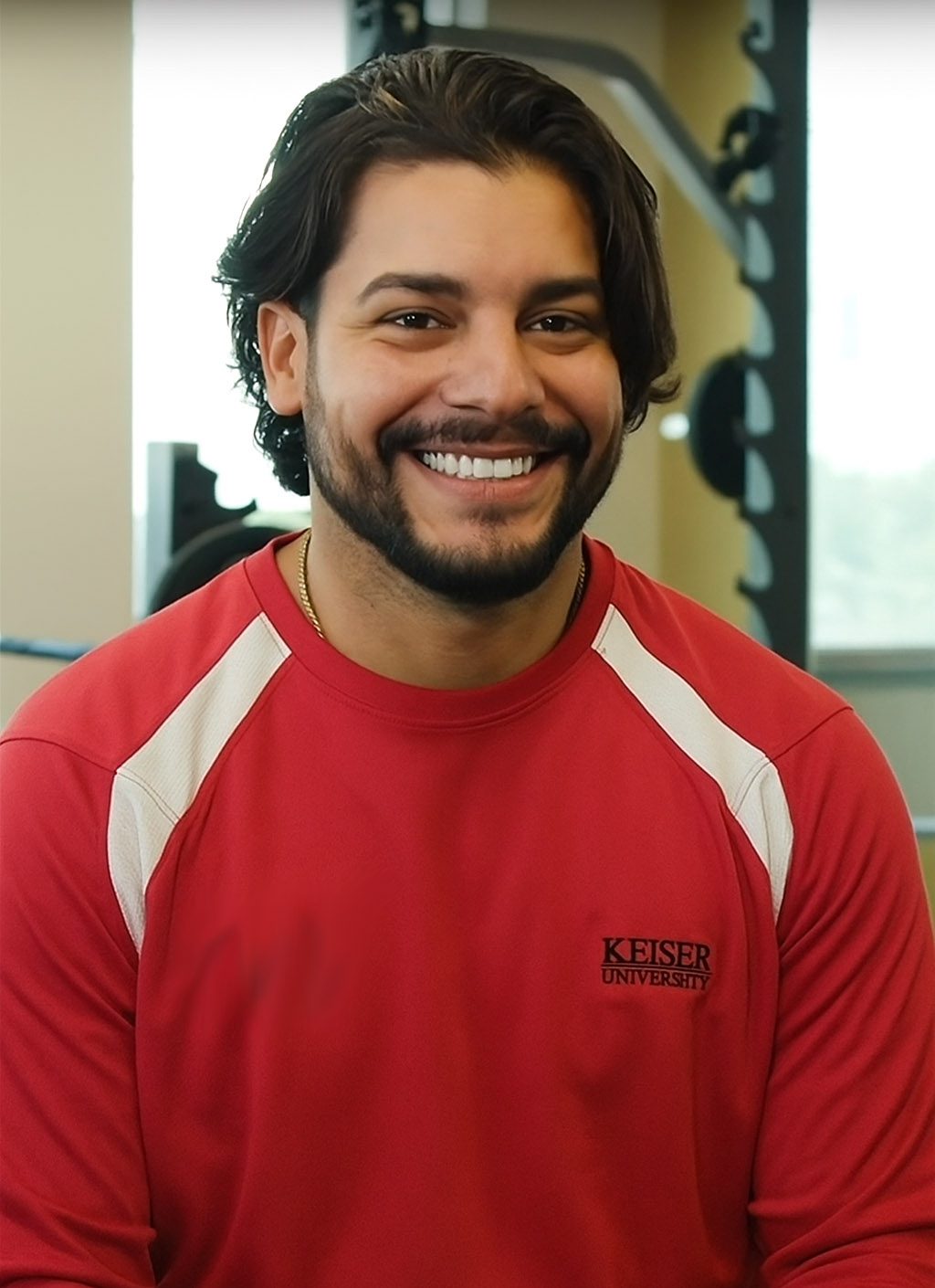
Alex Avila
Sports Medicine & Fitness Technology Student
Hands On, Practical Instruction. We have incredible instructors who are very knowledgeable in this field.

Jacvelyne Michel
Keiser University Nursing Student
I chose to study at Keiser University because they offer the accelerated nursing program which I could get my BS in in 16 months. They push us to do our best and they’re very fixated on us passing all of our classes and understanding the concepts. And they really prepare us well for the NCLEX exam.

Ryan G
Culinary Arts Graduate
“I know that when I go for a job interview and I have Keiser University on my resume that I am going to get the job.”

Jillian Bellis
Keiser University Nursing Student
Jillian Bellis, a nursing student, says Keiser University gave her the opportunity to return to school and pursue her lifelong passion for nursing. She highlights key benefits of Keiser, including flexible pathways for adult learners and career changers, supportive programs designed for students at different life stages, and the chance to pursue meaningful, career-focused education later in life.

Solange Mondesir
Keiser University College of Nursing Student
Seeing Keiser nurses out in the field – Keiser pushes out good nurses. So, I know I’m going to be prepared once I step out of the program.

Kadeshia Rose
Keiser University Software Engineering Student
The environment is friendly. The instructors really actually care about how you are going to get your degree. Keiser was a great fit.
Kiefer Suau
Bachelor of Science in Software Engineering graduate
Keiser University provided me with the foundation to turn ambition into action, equipping me with the discipline, purpose, and support necessary to make a lasting impact. The dedicated faculty and my incredible colleagues continually challenged, inspired, and encouraged me, shaping both my personal and professional growth. With my Bachelor of Science in Software Engineering, I’ve been able to pursue meaningful contributions in public service and technology, while advancing my career as a Board-Certified Behavior Analyst for Behavioral Pedestal LLC and Spring Health ABA.
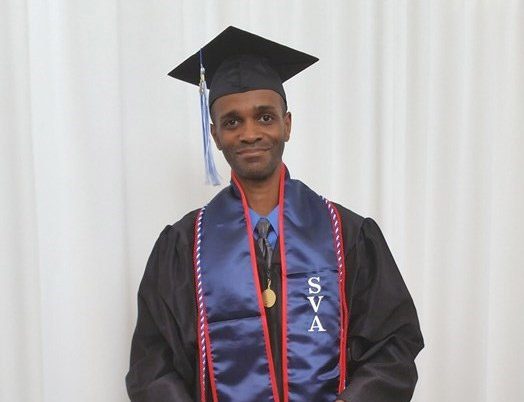
Brian Mardy, RN
Associates of Science Degree in Nursing
I was an active reservist and wanted to enter nursing. Keiser University provided me with new opportunities to do much more in life.

Gaelen Przybylowicz
Keiser University B.S. in Law Enforcement Operations – Forensics Concentration Graduate
I learned a lot about my subject field while attending Keiser. All my teachers continually promoted success and successful thinking, and my peers helped me to a higher standard than others because they knew I could achieve more.
Christy Marek
Keiser University B.S. in Law Enforcement Operations Graduate
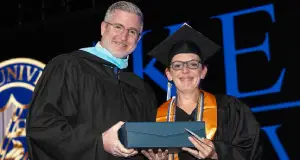
KU taught me how to thoroughly do an investigation, read a police report, and understand crime scenes and photos of crime scenes along with any other evidentiary items. I really loved the classes in our program as well as being able to focus on one class a month. It allowed me to learn more.
Brandon Alexander Presley
Legal Studies Student
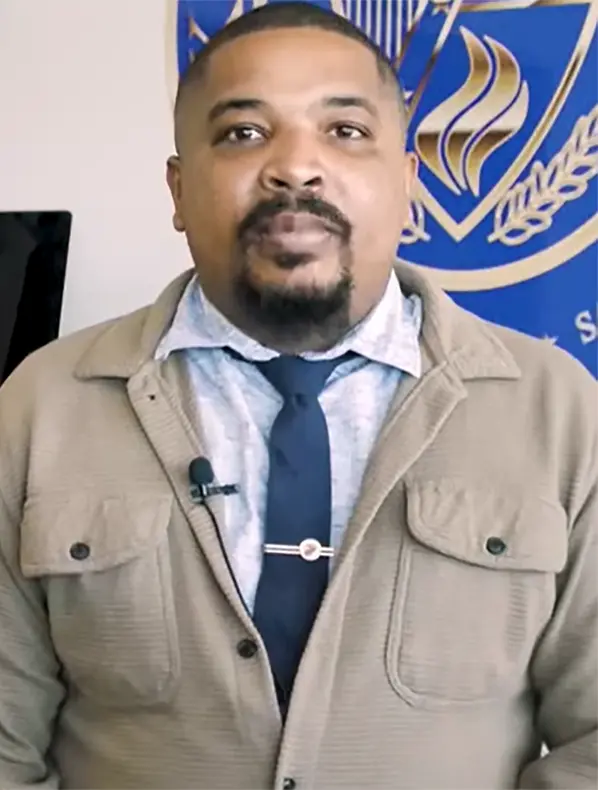
“My experience at Keiser has been incredible, especially because of the small class sizes—they’re really catered to us and make learning more personal and engaging. As a veteran, I was worried about adjusting back to a structured routine, but the campus made that transition much easier. Overall, this campus has truly become like a family to me.”

Sarah S.
Keiser University Medical Assisting Graduate
I cannot thank Keiser University enough for the experience and the learning opportunities I have had here. I never thought that at 20 years old, I would be halfway through my bachelor’s degree and working full-time as a medical assistant.

Quondra B.
Keiser University Medical Assisting Graduate
“I have had the experience of dealing with classes that accommodated my schedule of being a full-time employee as well as a full-time mother of three. The hands-on experience and the knowledge received was outstanding. I was elated by the amount of information I received in such a short period of time.”

Osmara Cailam
Master of Science in Nursing Graduate
“Choosing Keiser was instrumental because they offered small class sizes and the faculty provided one-on-one time with all of the students. Being in an online program, it is essential to have someone accessible to you and the faculty was always there when we needed them. I was also impressed at the structure, organization and curriculum for the program at Keiser.”
Arisnelvys Gonzalez, JD
Paralegal Studies Graduate
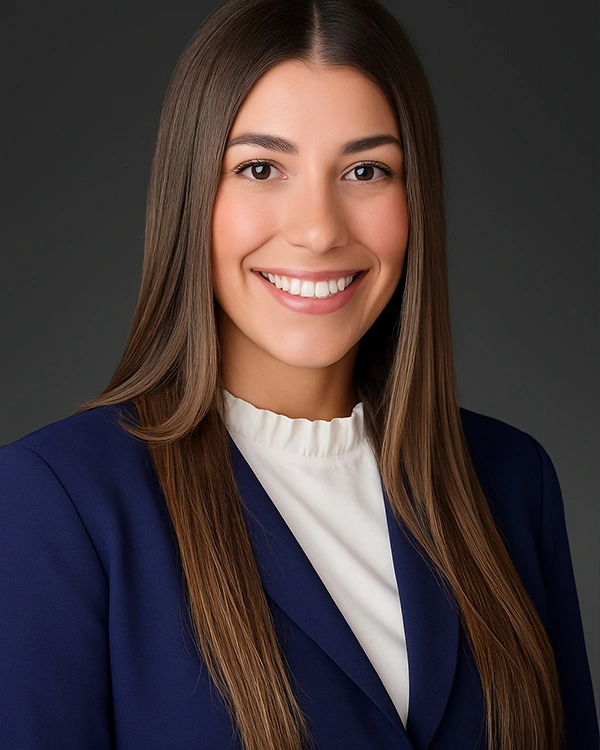
“Keiser University provided me with everything I needed for my future career as a licensed Florida Bar Attorney. While at KU I retained an Associates Degree in the Paralegal Studies Program. The Program helped me develop not only the essential skills a paralegal is required to hold but also long-term practical and professional skills.”
Justin Pugh
Full Stack Engineer
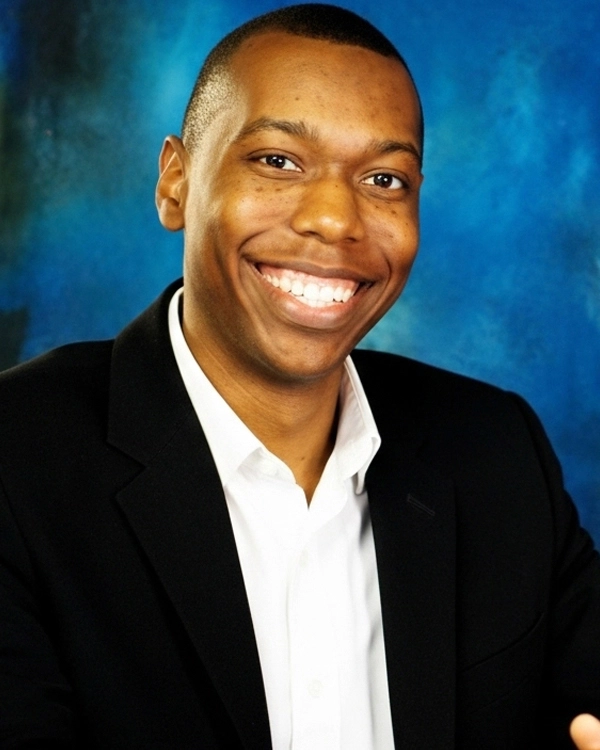
“The instructors at Keiser University impacted my life. They believed in my ability to become a great graphic designer, regardless of how I felt about my skills. KU helped to prepare me for the real world and got me to where I am today.”
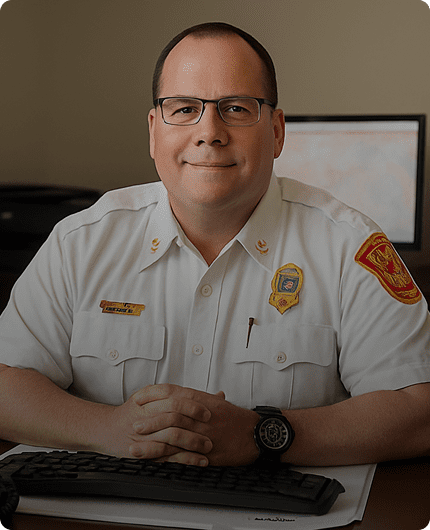
John F. Phelan
Fire Chief – Mashpee, MA
“When I first enrolled, I was new to the online educational environment and nervous as to how the experience would go. Keiser University has a knack for selecting educators who are perfect for this method of instruction, which allowed me and my fellow classmates to get up to speed quickly.”

Wayne Webb
Criminal Justice Graduate
“KU prepared me for Pat Thomas Law Enforcement Academy and the Florida State Correctional program. I have finally reached my goal of becoming a full-time deputy, with the Leon County Sheriff’s Office.”
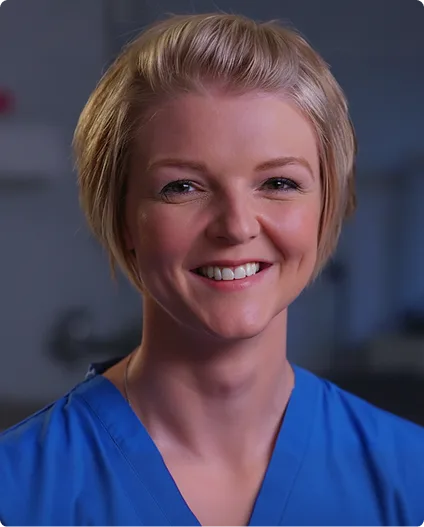
Emily Emilov
Forensic Investigations Graduate
“At Keiser University we’re here to help you succeed by providing the professional and academic foundation to meet your educational goals and objectives.”
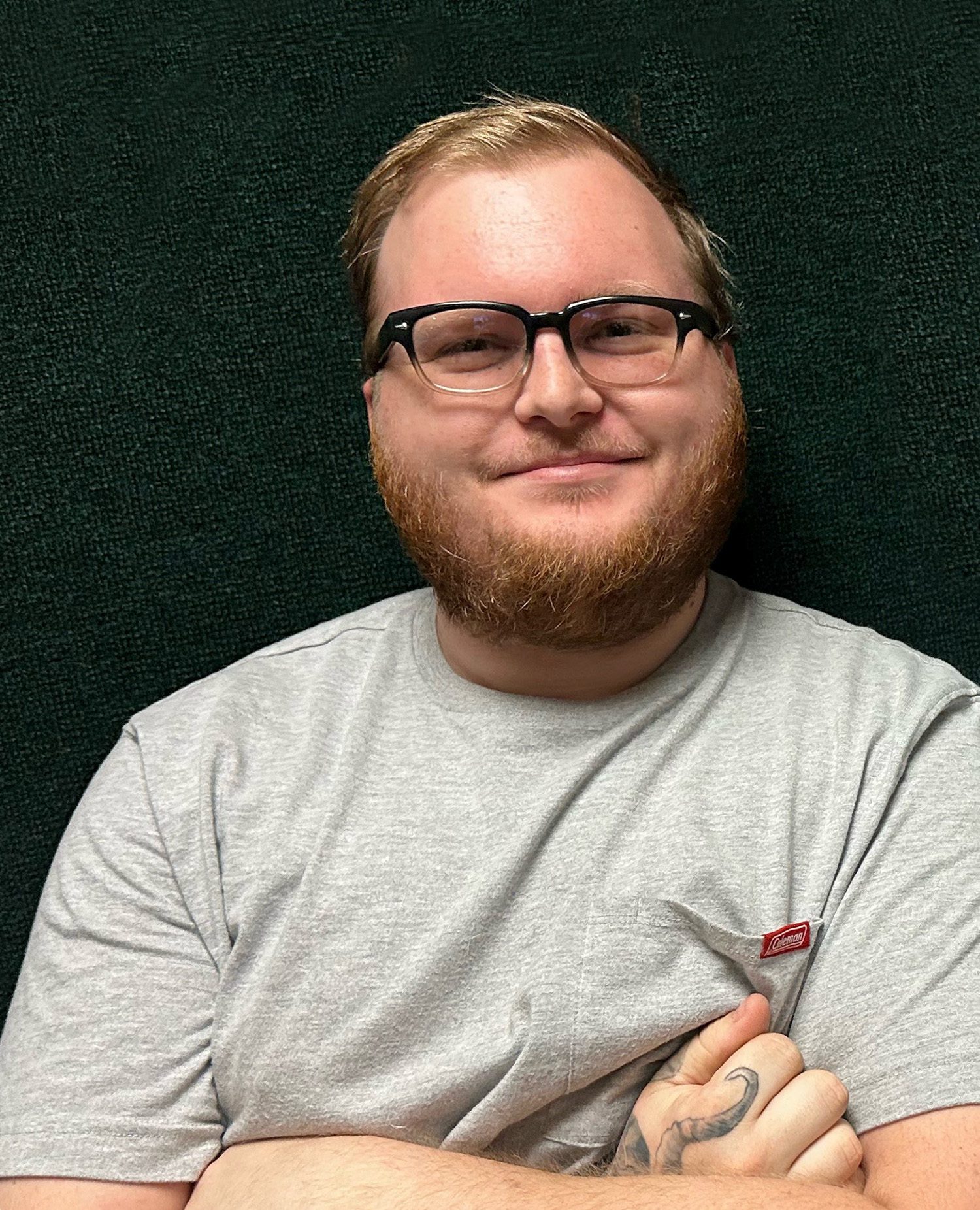
Ayden Przybylowicz
Associate of Science in Culinary Arts Graduate
“Because of the experiences I had at Keiser, along with the contacts I made, I made great progress throughout my career already. I thoroughly enjoyed the quality of my education at KU.”

Jennifer Kotzur
Curriculum and Instruction, PhD
“The C & I program at Keiser University is one of the best PhD programs, offering student-center learning and student-first learning. KU provided the rigor and growth I needed to be prepared for my future endeavors.”
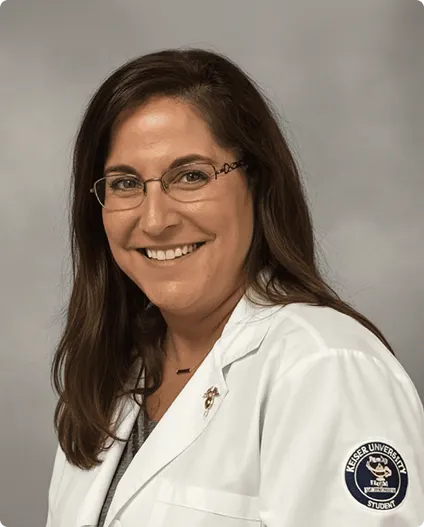
Marie Boone
Family Nurse Practitioner, MSN
“I chose Keiser University because I was looking for a local University that was flexible and suited my needs as a parent and full-time RN. The weekly live interactions with the professors were a definite plus. The tuition was reasonable and less than other Universities. Keiser University’s motto, “purity, truth, wisdom” was honored by the commitment of the nursing faculty to the students.”

Javier Araque
Keiser University’s College of Nursing
“My name is Javier Araki, and I’m in the nursing program at Keiser University. What stands out most to me is their students-first approach. Everything is centered on preparing us for the real-world demands of the field. The faculty and staff genuinely support you and help in every way they can. Because of that environment, I truly feel empowered and confident about my future in nursing.”

Anthony Alber
KU Sport Management and Operations, MS Graduate
“I am forever grateful to have been a part of the Keiser Sports Management program! Not only did I gain professional momentum to kickstart my career, I received help from professors that truly care about their students and made great friends along the way.”
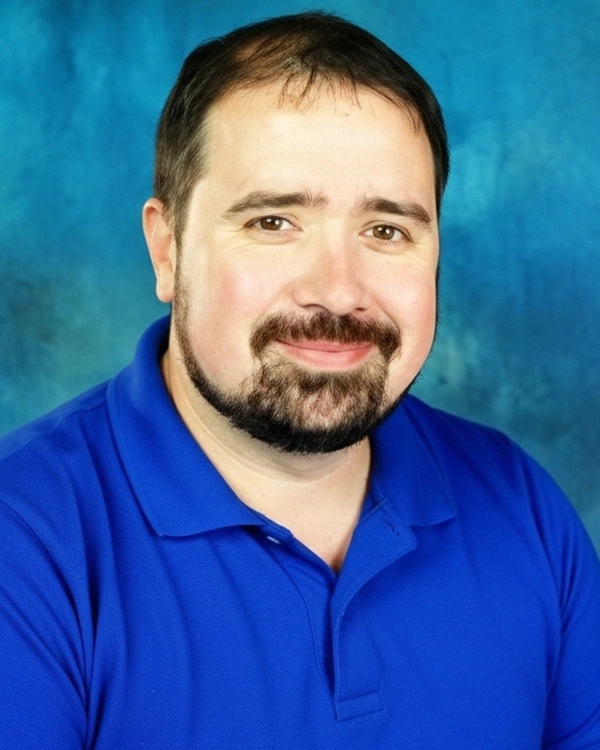
Ryan Bushey
Content and Media Production
“My instructors weren’t interested in just teaching. They were invested in every single student. They were invested in me. I’m proud to say I went to Keiser University, if for no other reason, because of my personal and professional development my instructors brought me.”
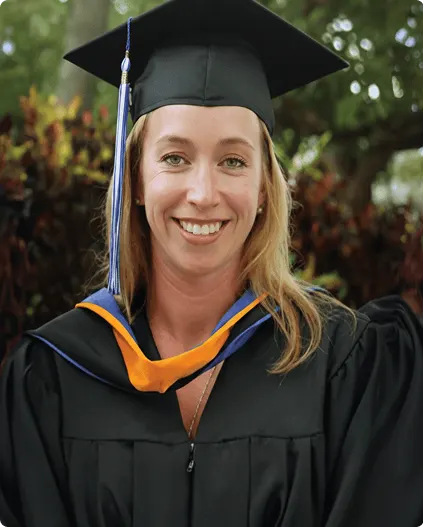
Danna Murphy
Master of Science in Nursing Graduate
“I really enjoyed the small class sizes and having an advisor at the campus who was able to guide me when I needed advice. I could take the program online, which helped tremendously as I was staying home with my children. Being able to do my schoolwork on my own timetable helped me to be accessible for my children and my husband.”
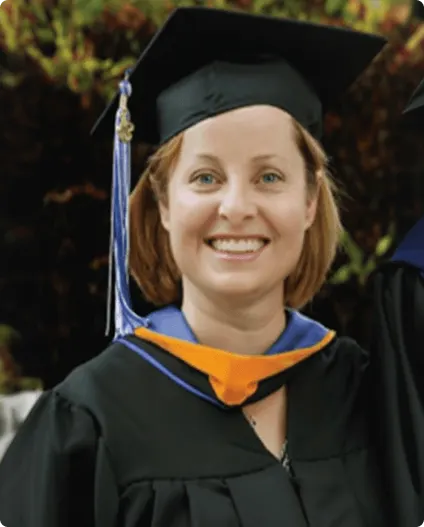
Jane Krolewski
Master of Science in Family Nurse Practitioner Graduate
“The Family Nurse Practitioner Program at Keiser University is an excellent program managed by a group of dynamic and dedicated professional educators. During my time at Keiser University, there was never a moment when I felt alone or lost. The support and guidance of my instructors were instrumental in accomplishing my professional goals and certification.”

Kiefer Suau
Software Engineering Graduate
“The dedicated faculty and my incredible colleagues continually challenged, inspired, and encouraged me, shaping both my personal and professional growth. With my Bachelor of Science in Software Engineering, I’ve been able to pursue meaningful contributions in public service and technology.”

Jada Vidal
Culinary Arts Graduate
“Keiser was one of the best choices I made for culinary school but you must put in the time, show up, and listen to your chefs.“
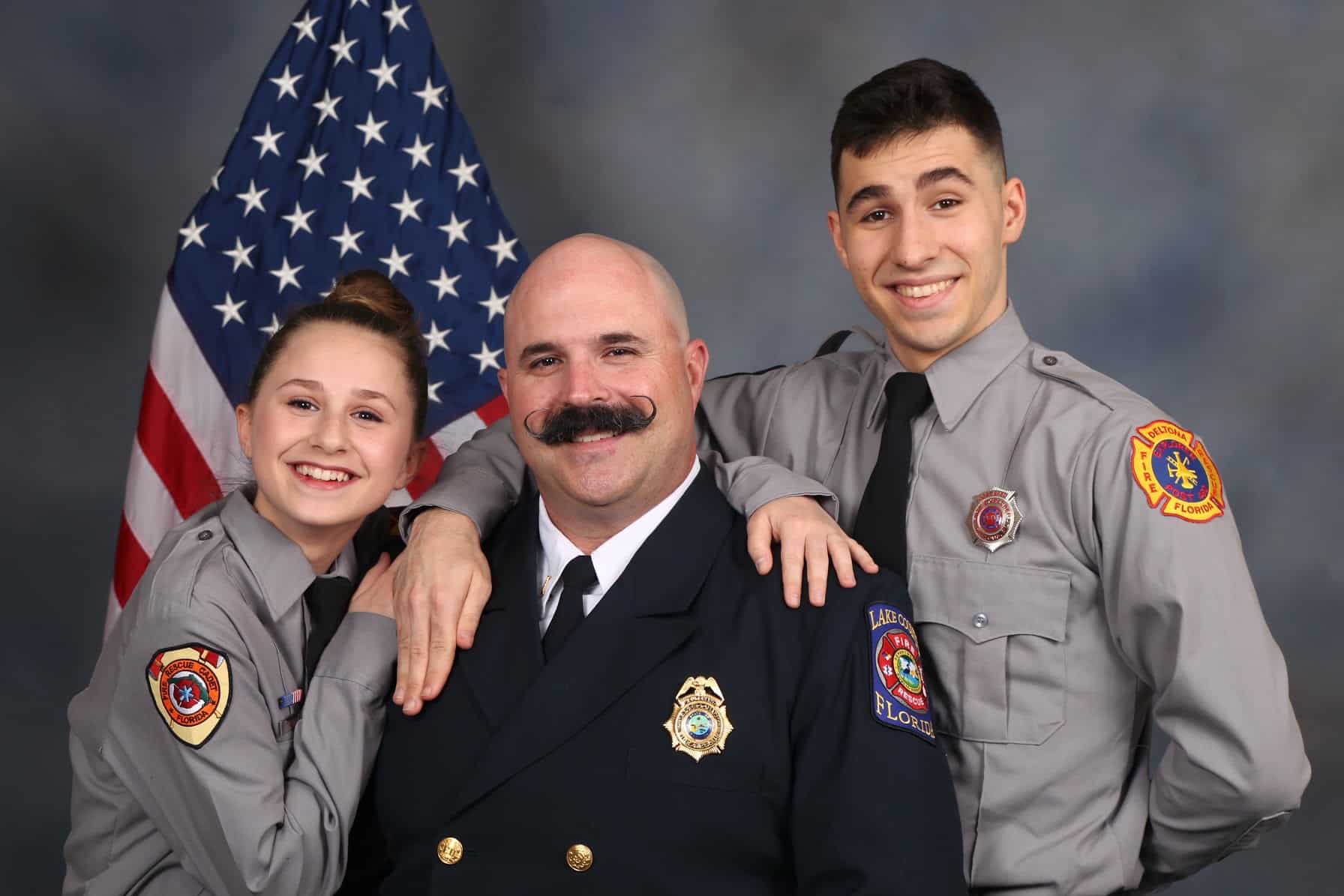
Jason Liska
Keiser Graduate and Lake County Fire Fighter and Paramedic
Liska said he chose the Keiser University Fire Science program because of the professors’ real-life experiences in the field and the convenience of the one-class-at-a-time and one-class-per-month schedule. “You’ve got to find a way to balance things and Keiser was very beneficial in providing me that balance.”
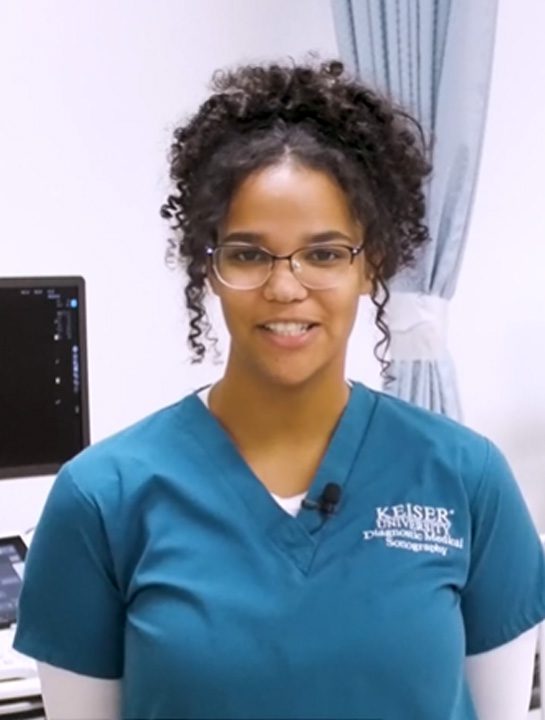
Desiree James
Keiser University Diagnostic Medical Sonography Graduate
I loved that Keiser University focused on one class per month. I feel I gained a lot from this because there were no distractions from other subjects in the same period of time. I found the information for each subject was better retained this way. In addition, my professors were always available for one-on-one help which is nearly unheard of in a large university or state college.
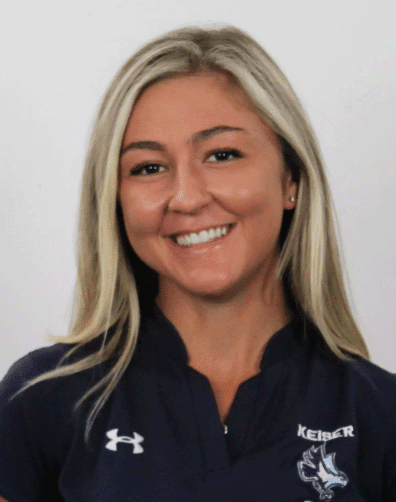
Deanna Confessore
Deanna Confessore – Golf Management graduate – Keiser University
My time at Keiser gave me hands-on experience teaching golf and great mentors to look up to.

Jason Loomis
Executive Director at Great River Golf Club.
“Huge gratitude towards Keiser University, you know, I was a golf enthusiast and wanted to get into the game. And it was a perfect school that opened its doors to me, let me in, and showed me the ropes. And their guidance and education, and not to mention mentorship, even after I graduated, has really propelled me into the professional I am today.”

Samuel Fernandes
Animation and Game Design student – Keiser University
I’m Samuel Fernandes of Keiser University. I’m currently enrolled as a student under the animation and game design bachelors and I enjoy with my whole heart right now. I came to Keiser because it welcomes people and it was very warm and inviting. It allowed me to create the world I want. Here at Keiser, if you want to create world environments, if you want to enlist in characters, the game design program here is perfect.
Take The Next Steps to Become a Forensic Science Professional

How to Apply
- Submit your online application
- Speak with an admissions advisor
- Provide transcripts or transfer credits
- Enroll and choose your start date
Keiser University’s Criminal Justice program with a Forensics Concentration prepares you for meaningful work in law enforcement and forensic science. With flexible online and on-campus options, our program aligns with your career goals while providing hands-on training in crime scene investigation and forensic analysis. Whether you plan to work in crime scene investigation units, forensic laboratories, or law enforcement agencies, Keiser provides the education and practical skills needed to launch a successful career in forensic science and criminal justice. Demand for trained forensic science technicians continues to grow as law enforcement agencies modernize their investigative capabilities.
Accredited University
Keiser University is accredited by the Southern Association of Colleges and Schools Commission on Colleges (SACSCOC), ensuring your education meets rigorous academic standards.
Flexible Learning Options
Study on-campus at Florida locations. Choose one class at a time. Evening and weekend options are available for working adults at select campuses.
Financial Services
We guide you through the financial aid process and provide assistance. Grants, scholarships, and financial aid are available for students who qualify to help manage the cost of your education.
Top Questions About Earning a Bachelor’s Degree in Criminal Justice (Forensics Concentration)
Can I get this criminal justice degree online at Keiser University?
Keiser University’s Bachelor of Arts in Criminal Justice with a Forensics Concentration is offered on-campus and in a hybrid format.
What makes the Forensics Concentration different from the regular Criminal Justice degree?
The Forensics Concentration adds specialized forensic science coursework including Forensic Photography, Introduction to Forensic Science Technology, Fingerprint Identification and Development, and Criminalistics I and II. These courses provide hands-on experience with crime scene procedures, evidence analysis, and laboratory techniques that prepare you for careers as a crime scene investigator or forensic science technician.
What career opportunities can I pursue with this degree?
Graduates can pursue careers as crime scene investigators, forensic science technicians, evidence technicians, criminal investigators, police detectives, and forensic laboratory assistants. The combination of criminal justice knowledge and forensic science training opens doors in law enforcement agencies, forensic laboratories, crime scene investigation units, and private investigation firms. According to the US Bureau of Labor Statistics, job growth projections show increasing demand for forensic science professionals over the next decade as technology advances and law enforcement agencies expand their investigative capabilities.
Can I transfer credits from another institution?
Yes, Keiser University accepts transfer credits for undergraduate and graduate-level programs. Our admissions team will work with you to review your transcripts and determine your transfer eligibility. Credits transfer based on several factors including accreditation and course equivalency. Learn more about credit transfer requirements and eligibility requirements.
Do I need a background in science to enter this program?
While prior science knowledge helps, it is not required. The program includes general education courses in biology, chemistry, and mathematics that build the scientific foundation needed for forensic science coursework. Faculty members and professors provide support to help students develop the scientific literacy and laboratory skills required for success in the forensics concentration.
How long does it take to complete this degree?
Students typically complete the program in approximately 38 months when pursuing the Forensics Concentration. Completion time depends on several factors including transfer credits, course load per term, and whether students attend full-time or part-time. Contact the admissions team for a personalized completion timeline.
What kind of hands-on experience will I gain?
The forensics concentration provides practical training in crime scene photography, fingerprint analysis, evidence collection and preservation, and laboratory analysis techniques. Students learn to document crime scenes, process physical evidence, and prepare findings for presentation in legal proceedings using the same methods employed by forensic scientists and crime scene investigators. Training covers the analysis of various evidence types and consideration of other factors that influence evidence collection and preservation at crime scenes.
Can this degree lead to graduate school?
Yes. The program provides preparation for graduate studies in criminal justice. Students who earn a bachelor’s degree in this program can pursue a graduate degree in criminal justice or other advanced training. The research methods, analytical skills, and scientific knowledge you gain create a strong foundation for advanced degree programs and specialized training in forensic science disciplines.
How much does this program cost?
Tuition at Keiser University varies by degree program. Keiser University offers financial aid, military and veteran benefits, scholarships, and tuition reimbursement to those who qualify. For more information about the degree cost, please contact an admissions advisor. Get https://www.keiseruniversity.edu/financial-services/tuition/.
What forensic science specialties does the curriculum cover?
The curriculum introduces students to multiple forensic science specialties through coursework and laboratory training. Students explore fingerprint analysis, forensic photography, crime scene documentation, trace evidence collection, and evidence preservation techniques. While the program provides broad exposure to forensic science principles, students can discover their specific interests and pursue additional specialization through elective courses, internships, or graduate education in areas such as forensic toxicology, DNA analysis, or forensic psychology.
How does this program prepare me for the real world?
The program combines theoretical knowledge with practical application to prepare graduates for real-world forensic science careers. Through general education courses, major coursework, and specialized forensics training, students learn to analyze complex crime scenes, collect and preserve physical evidence, document findings, and explain technical results. Professors with industry experience guide students through realistic scenarios that reflect the challenges forensic science technicians and crime scene investigators face on the job. Internship opportunities allow students to apply their training in professional settings before graduation.
This Program is Available at the Following Campuses


Related Programs
















Connect with a Counselor
Connect with a Counselor


