
Campuses: 888.534.7379 Online: 888.453.4737 En línea en Español: 888.960.8790 Grad School: 888.753.4737 Live Chat Habla con Nosotros
Call Us Live Chat Habla con Nosotros

Imaging Sciences: Building a Purposeful Career

Keiser University’s Bachelor of Science in Imaging Sciences degree completion program gives credentialed imaging professionals the academic foundation to move into leadership, management, and advanced clinical roles.

Deepen Your Knowledge in Medical Imaging and Technology

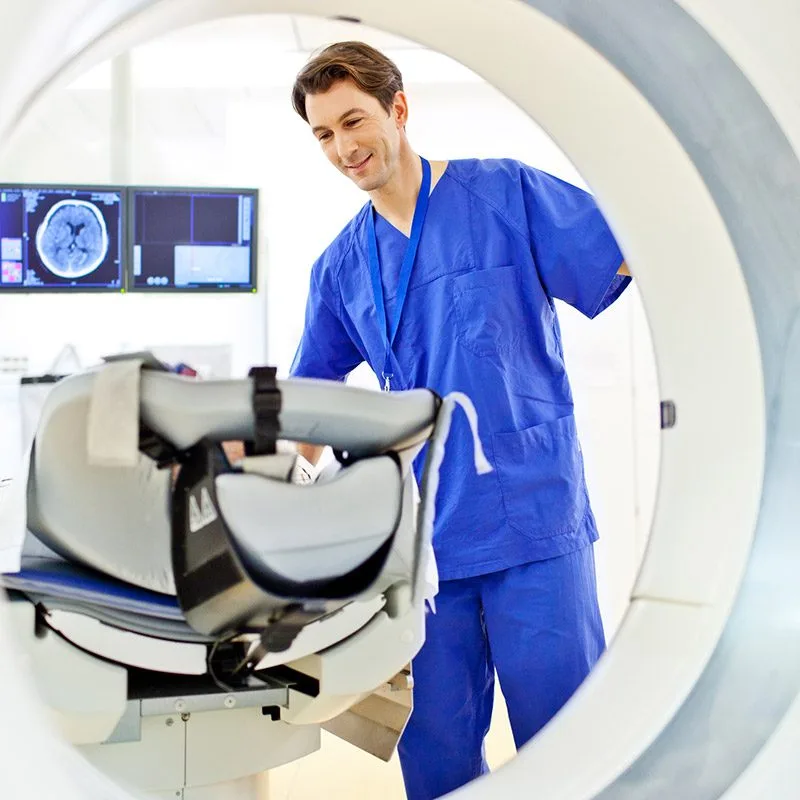
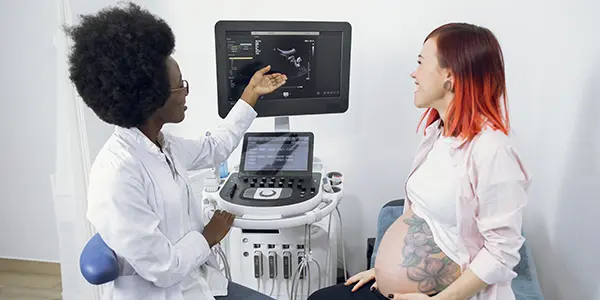
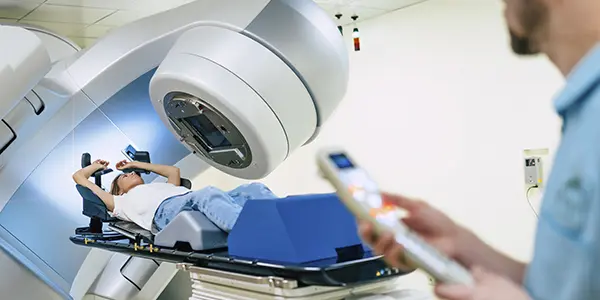
Build advanced skills and career advancement opportunities in Magnetic Resonance Imaging, Nuclear Medicine Technology, Diagnostic Medical Sonography, and more.

Learn from Expert Faculty

Learn from experienced faculty with real-world expertise in healthcare.

Study Your Way: On-Campus, Online, or Hybrid

Choose from flexible online, hybrid, and on-campus learning at select Florida locations designed to work around your career schedule.

Step Into Leadership Roles in Healthcare Imaging

Prepare for career paths as radiology operations managers, imaging administrators, clinical imaging leads, and healthcare professionals in diagnostic settings.

At a Glance

122-128

Credit Hours

24

courses

40

Months*

4

Week Terms

  • Up to 12 credits of transfer credit*
  • Career opportunities in imaging management, radiology operations, and more
  • Available On-Campus, Online, and Hybrid
  • Financial aid for those who qualify**

* Time to degree completion and the number of transfer credits are estimates, not intended as a guarantee, and can vary based on many case-by-case factors.
** Speak with a dedicated financial aid counselor to explore all your financial aid and funding options.

Imaging Sciences, BS Overview

Keiser University’s Bachelor of Science in Imaging Sciences gives credentialed technologists a thorough grounding in imaging administration and clinical imaging through a degree completion format. The curriculum covers healthcare leadership, radiology operations management, medical imaging policy, financial management, and advanced clinical coursework in computed tomography, magnetic resonance imaging, and cross-sectional anatomy. Hands-on internship courses in the clinical concentration place students in real healthcare settings, building the practical experience employers look for. Graduates of the imaging science degree program will be prepared for upward career mobility in imaging management and imaging technology across the full scope of the medical imaging field.

Program Mission

The mission of the Keiser University Bachelor of Science in Imaging Sciences program is to meet the changing needs of the healthcare community by offering career advancement opportunities to Radiography, Magnetic Resonance Imaging, Nuclear Medicine Technology, Diagnostic Medical Sonography, or Radiation Therapy technologists. The Imaging Sciences program utilizes a multidisciplinary approach to prepare students for upward career mobility in imaging management and/or imaging technology.

Program Goals

Graduates of the Imaging Sciences, BS program will apply advanced knowledge, innovative technologies, and management skills essential to the medical imaging and therapeutic professions.

Prerequisites

Pre-Licensure Requirements**

  • Completion of KU Nuclear Medicine Technology, Radiation Therapy, Radiologic Technology or Diagnostic Medical Sonography curriculum;
  • All applicants must satisfy general education requirements with a grade of “C” or above.
  • Post-Licensure Requirements
  • Graduation from either an associate’s degree program or a diploma/certificate program;
  • Diploma/Certificate/International graduates and applicants who attended a non-accredited academic institution must satisfy all general education requirements before beginning upper division major courses;
  • Credentialing in one of the following: Radiology Technology, Magnetic Resonance Imaging, Nuclear Medicine Technology, Diagnostic Medical Sonography, or Radiation Therapy is required for admission;
  • Proof of current, active, and non-restricted professional licensure in the state of Florida is required for the Clinical Imaging Concentration; **
  • All applicants must satisfy general education requirements with a grade of “C” or above.

Program Highlights

  • Concentration tracks: Imaging Administration and Clinical Imaging
  • Degree completion format designed for working imaging professionals
  • Advanced coursework in computed tomography, magnetic resonance imaging, and cross-sectional anatomy
  • Curriculum covering imaging policy, operations, financial management, and healthcare leadership
  • Clear pathway toward post-primary certification eligibility
  • Hands-on internship courses available through the Clinical Imaging Concentration

Estimated Student Costs

Required and Optional Fees for Programs: Fees are costs set by the university in addition to tuition (and room and board, if applicable). These fees may be required for your program or optional depending on the courses you take, and they support the costs associated with completing an approved program of study. Fees are defined in the university’s catalog or supplement and listed on the school’s billing statement or invoice. Fees that are optional will not be paid using GI Bill® benefits and will be the responsibility of the student choosing these additional options. For additional guidance, please see your Program Director or Admissions Counselor.

Accreditation Statuses

Keiser University is accredited by the Southern Association of Colleges and Schools Commission on Colleges (SACSCOC) to award associate, bachelor’s, master’s, and doctoral degrees. Learn more about Keiser University accreditation. While this program doesn’t require programmatic accreditation, the SACSCOC accreditation ensures that a university meets rigorous quality standards, which is crucial for students as it affects access to federal financial aid, the transferability of credits to other accredited schools, and recognition of degrees for graduate programs and employers.

Program Outline

Available On-Campus, Online, and Hybrid

Bachelor of Science in Imaging Sciences Degree Courses

This is a degree completion program for graduates of associate degree or diploma/certificate programs in specific disciplines. To receive a Bachelor of Science degree in Imaging Sciences, students must complete an additional 24 credit hours and meet other requirements as described above. The length of this program is approximately 40 months, which will vary based on student transfer credits, as is the case with most bachelor’s degrees; however, since eligible students will have completed substantial time meeting requirements for the prior degree, most students will finish this program in as little as 8 months. A combined total of 122-128 credit hours is required for the degree.

The Bachelor of Science in Imaging Sciences degree completion program builds on your existing associate degree or professional credentials. The curriculum blends advanced coursework in imaging administration or clinical imaging with a multidisciplinary approach to healthcare leadership. Students choose 12 credits of clinical imaging concentration based on their career pathway. Graduates finish the program ready to pursue imaging sciences management roles and upward career mobility.

This is a degree completion program for credentialed imaging professionals. A combined total of 122.0 to 128.0 credit hours is required for the degree.

Lower Division Courses

Behavioral/Social Science (3.0 credit hours)
Psychology 3.0 credit hours
Communications (3.0 credit hours)
Speech Communication 3.0 credit hours
Computers (3.0 credit hours)
Introduction to Computers 3.0 credit hours
English (6.0 credit hours)
English Composition I 3.0 credit hours
English Composition II 3.0 credit hours
Humanities/Fine Arts (3.0 credit hours)
American Literature 3.0 credit hours
English Literature 3.0 credit hours
Mathematics (6.0 credit hours)
College Algebra 3.0 credit hours
Statistics 3.0 credit hours
Natural Science (8.0 credit hours)
Human Anatomy/Physiology I 4.0 credit hours
Human Anatomy/Physiology II 4.0 credit hours
General Education Electives (3.0 – 6.0 credits)
General Chemistry 3.0 credit hours
General Chemistry Lab 1.0 credit hours
General Physics 3.0 credit hours
Interpersonal Communication 3.0 credit hours
Professional Writing 3.0 credit hours
Critical Thinking 3.0 credit hours
Research Methods 3.0 credit hours

Lower Division Major (55.0 – 68.0 Credits) – Graduation from either an associate’s degree program or a diploma/certificate program in Radiology Technology, Magnetic Resonance Imaging, Nuclear Medicine Technology, Diagnostic Medical Sonography, or Radiation Therapy.

Upper Division Courses

Imaging Administration Concentration (12.0 credit hours)
Public Policy in Healthcare 3.0 credit hours
Risk Management in Healthcare 3.0 credit hours
Introduction to Management/Org Behavior 3.0 credit hours
Managing Diversity 3.0 credit hours
Leadership 3.0 credit hours
Performance Management 3.0 credit hours
Healthcare Marketing 3.0 credit hours
Health Law and Ethics 3.0 credit hours
Radiology Operations Management 3.0 credit hours
Economics in Medical Imaging 3.0 credit hours
Accreditation & Regulation in Imaging Sciences 3.0 credit hours
Clinical Imaging Concentration * (12.0 credit hours from the following)
Quality Management 3.0 credit hours
Special Radiographic Procedures 3.0 credit hours
Mammography 3.0 credit hours
Computed Tomography (required or Magnetic Resonance Imaging I) 3.0 credit hours
Magnetic Resonance Imaging I (required or Computed Tomography) 3.0 credit hours
Cross Sectional Anatomy (required) 3.0 credit hours
Internships/Practicums/Clinical Practice (required) 3.0 credit hours
Radiology Operations Management 3.0 credit hours
MRI II 3.0 credit hours
Internships/Practicums/Clinical Practice 3.0 credit hours

*Available at Miami Campus Only

Upper Division Electives (12.0 credit hours)
Internships/Practicums/Clinical Practice 3.0 credit hours
Conflict Management in Healthcare 3.0 credit hours
Cultural Competency in Healthcare 3.0 credit hours
Leadership in Healthcare Organizations 3.0 credit hours
Risk Management in Healthcare 3.0 credit hours
Cross-Cultural Management 3.0 credit hours
Leadership 3.0 credit hours
Recruitment, Selection and Staffing 3.0 credit hours
Management Law and Employee Relations 3.0 credit hours
Computed Tomography 3.0 credit hours
Magnetic Resonance Imaging I 3.0 credit hours
Cross Sectional Anatomy 3.0 credit hours
Managing Diversity 3.0 credit hours
Introduction to Mgmt/Org Behavior 3.0 credit hours

If you’re someone who cares about…

Medical imaging, patient outcomes, and making a real difference behind the scenes,

a degree in imaging sciences might be your thing.

Imaging sciences students are detail-oriented, technically skilled, and ready to lead teams and departments that keep diagnostic procedures running smoothly.

Whether you want to manage a radiology department, advance in clinical imaging, or take on administrative leadership roles, this degree gives you the credentials to move forward.
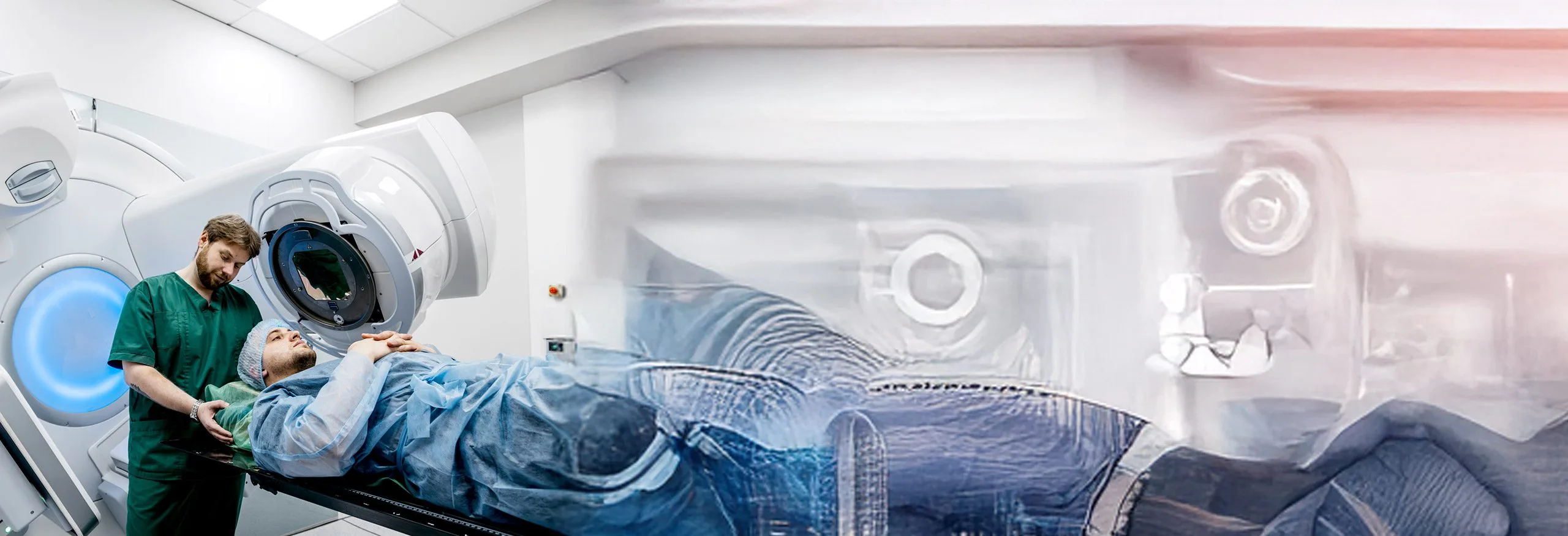

radiation-therapy-care
Hispanic Outlook in Higher Education Magazine

Top 100 Hispanic-Serving Institutions
(2024, Hispanic Outlook on Education Magazine)

U.S. News & World Report

Top 25 university in the country in providing Social Mobility, including being ranked #1 in 2023
(U.S. News & World Report)

The Chronicle of Higher Education

#2 Best 4-year graduation rates, private, nonprofit, nonresidential
(2023, The Chronicle of Higher Ed.)

What Jobs Can You Get with a Bachelor of Science in Imaging Sciences?

Graduates of Keiser University’s bachelor’s degree in imaging sciences step into management and leadership positions across hospitals, outpatient imaging centers, and healthcare systems. The Bureau of Labor Statistics projects continued demand for skilled healthcare professionals across diagnostic imaging disciplines, making this a field with real career growth for those ready to lead. This bachelor’s degree completion program builds on your existing credentials in radiologic technology, magnetic resonance imaging, nuclear medicine technology, diagnostic medical sonography, or radiation therapy.


Career Pathways in Imaging Sciences

  • Radiology operations manager
  • Imaging department director
  • MRI supervisor
  • CT imaging team lead
  • Diagnostic medical sonography supervisor
  • Nuclear medicine technology lead
  • Radiation therapy team leader
  • Imaging quality management specialist
  • Clinical imaging coordinator
  • Medical imaging educator
  • Radiology administrator
  • Medical imaging consultant
imaging-sciences-career

Gain Job-Ready Skills for an Imaging Sciences Career

  • Radiology operations management
  • Medical imaging policy and compliance
  • Healthcare leadership and team supervision
  • MRI and CT imaging technology knowledge
  • Financial management in medical imaging
  • Diagnostic imaging quality management
  • Cross-sectional anatomy

Keiser University offers career-focused degree programs designed to support working adults, traditional students, and career changers. With on-campus, online, and hybrid learning options, experienced faculty, and comprehensive student support, Keiser helps learners achieve their personal and professional goals at all levels.

See What Sets Keiser Apart

Patricia Posas is a Radiologic Technology (RT) student at the Miami campus who developed an interest in imaging sciences after frequent hospital visits, where she became fascinated with MRI and CT imaging. After researching programs and speaking with others, she chose Keiser University because of its strong reputation and supportive admissions process that guided her every step of the way. She explains that the Associate degree in Radiologic Technology provides a pathway to continue into the Bachelor’s degree in Imaging Sciences, which prepares students for MRI and CT certification boards and expands career opportunities across imaging modalities. Patricia currently works in a fast-paced emergency room environment, where she has discovered her passion for the field. She also highlights how financial aid grants have made a significant difference in helping her afford school expenses, especially as an adult student returning to education.

Students Testimonials

At Keiser University we are here to help you succeed by providing the professional and academic foundation to meet your educational goals and objectives.

Jacvelyne Michel
Keiser University Nursing Student

I chose to study at Keiser University because they offer the accelerated nursing program which I could get my BS in in 16 months. They push us to do our best and they’re very fixated on us passing all of our classes and understanding the concepts. And they really prepare us well for the NCLEX exam.

Tom Buchanan
Keiser University Nursing Student

Tom Buchanan, a military veteran and nursing student, says Keiser helped him transition into a meaningful healthcare career where he could continue serving his community. He appreciates the strong support available to veterans, including a dedicated VA adviser who is responsive, helpful, and committed to ensuring students fully use the benefits they earned through service.

Jillian Bellis
Keiser University Nursing Student

Jillian Bellis, a nursing student, says Keiser University gave her the opportunity to return to school and pursue her lifelong passion for nursing. She highlights key benefits of Keiser, including flexible pathways for adult learners and career changers, supportive programs designed for students at different life stages, and the chance to pursue meaningful, career-focused education later in life.

Solange Mondesir
Keiser University College of Nursing Student

Seeing Keiser nurses out in the field – Keiser pushes out good nurses. So, I know I’m going to be prepared once I step out of the program.

Javier Araque
Keiser University’s College of Nursing

“My name is Javier Araki, and I’m in the nursing program at Keiser University. What stands out most to me is their students-first approach. Everything is centered on preparing us for the real-world demands of the field. The faculty and staff genuinely support you and help in every way they can. Because of that environment, I truly feel empowered and confident about my future in nursing.”

How to Apply

  1. Submit your online application.
  2. Speak with an admissions advisor.
  3. Provide transcripts or transfer credits.
  4. Enroll and choose your start date.

Chat With Us

Habla con Nosotros

Speak to Your Advisor: 1-888-534-7379

Keiser University’s imaging science degree completion program gives radiologic technologists, MRI technologists, nuclear medicine technology professionals, diagnostic medical sonography graduates, and radiation therapy technologists a focused academic path into leadership and management. With on-campus and online options,  experienced faculty, hands-on clinical experience, and financial aid available for those who qualify, this bachelor of science program prepares you for the next career level. Whether your goal centers on imaging administration, clinical leadership, or advanced certifications, Keiser gives you the foundation to get there.

Apply Now

Accredited University

Keiser University is accredited by the Southern Association of Colleges and Schools Commission on Colleges (SACSCOC), ensuring your education meets rigorous academic standards.

Flexible Learning Options

Study online or on-campus at Florida locations. Choose one class at a time, on-campus, online, or hybrid. Evening and weekend options are available for working adults at select campuses.

Financial Services

We’re here to help guide you through the financial aid process and provide assistance. Grants, scholarships, and financial aid available for students who qualify.

Top Questions About Earning a Bachelor of Science in Imaging Sciences

Is the imaging science bachelor degree offered online at Keiser University?

Yes. Keiser University’s Bachelor of Science in Imaging Sciences is offered online and on-campus at select Florida locations.

What is a degree completion program in Imaging Sciences?

A degree completion program builds on credentials you already hold. Keiser University’s Bachelor of Science in Imaging Sciences accepts graduates of associate degree programs in specific disciplines. Students complete an additional 24.0 credit hours to earn the bachelor’s degree.

What careers can I pursue with a Bachelor of Science in Imaging Sciences?

Graduates pursue career paths in radiology operations management, imaging department leadership, MRI supervision, CT coordination, nuclear medicine technology leadership, and diagnostic medical sonography supervision. The imaging sciences degree also supports advancement into healthcare compliance, quality management, and medical imaging education roles. Earnings and advancement opportunities often grow with additional certifications or continued education at the graduate level.

Can I transfer credits from another institution?

Yes, Keiser University accepts transfer credits for undergraduate and graduate-level programs. Our admissions team will work with you to review your transcripts and determine your transfer eligibility. Credits transfer based on several factors including accreditation and course equivalency. Learn more about credit transfer requirements and eligibility requirements.

Is financial aid available for students in this program?

Absolutely. Students can access the same financial aid resources available across Keiser University programs, including grants, scholarships, and tuition assistance programs. Military and veteran benefits may also apply. Learn more about Keiser University’s Financial Services.

Is the Imaging Sciences program accredited?

Keiser University is accredited by the Southern Association of Colleges and Schools Commission on Colleges (SACSCOC) to award associate, bachelor’s, master’s, and doctoral degrees Learn more about Keiser University accreditation. While this program doesn’t require programmatic accreditation, the SACSCOC accreditation ensures that a university meets rigorous quality standards, which is crucial for students as it affects access to federal financial aid, the transferability of credits to other accredited schools, and recognition of degrees for graduate programs and employers. This accreditation signifies that the institution adheres to standards that ensure educational quality and institutional effectiveness, protecting the public from fraudulent institutions.

What are the prerequisites for the imaging sciences degree completion program?

Admission to the Imaging Sciences, BS program requires graduation from an accredited associate degree program or a diploma/certificate program in specific disciplines. All applicants must satisfy general education requirements with a grade of “C” or above. For more information, please review the program Prerequisites section on this page.

How long does it take to earn this degree?

The Bachelor of Science in Imaging Sciences requires an additional 24.0 credit hours beyond your existing associate degree or diploma/certificate program. The estimated completion time is approximately 8 months for most students. Time to degree completion varies based on individual circumstances, transfer credits, and course load. Contact an admissions advisor for a personalized estimate.

How much does it cost to earn this degree?

Tuition at Keiser University varies by degree program. Keiser offers financial aid, military and veteran benefits, scholarships, and tuition reimbursement to those who qualify. For more detailed cost information, please contact an admissions advisor. Get more information about Keiser University’s tuition and costs.

What courses are required in the Imaging Sciences BS program?

The Bachelor of Science in Imaging Sciences includes upper division coursework in one of two concentration tracks. The Imaging Administration Concentration covers topics such as:

  • Radiology Operations Management
  • Economics in Medical Imaging
  • Public Policy in Healthcare
  • Healthcare Marketing
  • Health Law and Ethics
  • Accreditation and Regulation in Imaging Sciences

The Clinical Imaging Concentration covers courses such as:

  • Magnetic Resonance Imaging I
  • Computed Tomography
  • Cross Sectional Anatomy
  • Mammography
  • Quality Management
  • Internships/Practicums/Clinical Practice

Your academic advisor will guide your course path based on your concentration choice, career goals, and any transfer credits.

Connect with a Counselor

Connect with a Counselor

All fields are required.

By clicking the “Submit” button, I authorize Keiser University to make or allow the placement of recurring marketing calls, emails, and texts to me at the phone number that I have provided, including through the use of automated technology or a prerecorded or artificial voice. I understand that I am not required to provide my phone number as a condition of purchasing any property, goods, or services. Privacy Policy

Keiser University

Earn Your Degree Your Way

Flexible Learning: Online, On-campus, Hybrid.

All fields are required.

By clicking the "Submit" button, I authorize Keiser University to make or allow the placement of recurring marketing calls, emails, and texts to me at the phone number that I have provided, including through the use of automated technology or a prerecorded or artificial voice. I understand that I am not required to provide my phone number as a condition of purchasing any property, goods, or services. Privacy Policy