Campuses: 888.534.7379 Online: 888.453.4737 En línea en Español: 888.960.8790 Grad School: 888.753.4737 Live Chat Habla con Nosotros
Call Us Live Chat Habla con Nosotros

Earn Your Degree Your Way

Flexible Learning: Online, On-campus, Hybrid.

All fields are required.

By clicking the "Submit" button, I authorize Keiser University to make or allow the placement of recurring marketing calls, emails, and texts to me at the phone number that I have provided, including through the use of automated technology or a prerecorded or artificial voice. I understand that I am not required to provide my phone number as a condition of purchasing any property, goods, or services. Privacy Policy

Clinical Mental Health Counseling: Building a Purposeful Career

Council for Accreditation of Counseling and Related Educational Programs

Mental health matters, and the professionals who dedicate their careers to supporting people through emotional disorders, addiction, crisis, and life’s most difficult moments are in growing demand across every community. Clinical mental health counselors work in private practice, community health centers, schools, rehabilitation facilities, and government agencies, providing evidence-based care that helps clients build healthier lives.
 
Whether you aspire to work in private practice, specialise in addiction counseling, support families, or lead a clinical program, the right master’s degree gives you the training, credentials, and professional identity to pursue licensure and make a lasting difference. With the CACREP-accredited Master of Science in Clinical Mental Health Counseling, Keiser University is here to help.
 
Keiser University’s Master’s in Clinical Mental Health Counseling program is accredited by the Council for Accreditation of Counseling and Related Educational Programs (CACREP).

Develop Core Counseling Skills and Clinical Training

Build group counseling skills, counseling techniques, and clinical practice competencies through hands-on practicum and internship experiences.

Learn from Experienced Counselor Educators

Learn from faculty who bring real-world expertise in mental health counseling, ethical practice, and professional identity development.

Study Your Way: On-Campus and Online

Choose from online or on-campus classes designed to fit your schedule. Enjoy the flexibility to balance work and life while earning your degree.

Prepare for Counseling Licensure and Professional Practice

Prepare for state licensure as a licensed professional counselor or licensed mental health counselor, with clear pathways to professional practice.

At a Glance

60

Credit Hours

20

Courses

36 – 48

Months*

16

Week Semesters

  • Up to 12 credits of transfer credit*
  • Counseling and leadership career opportunities in mental health facilities and more
  • On-Campus, Online with In-Person Residency
  • Financial aid for those who qualify**

* Time to degree completion and the number of transfer credits are estimates, not intended as a guarantee, and can vary based on many case-by-case factors.
** Speak with a dedicated financial aid counselor to explore all your financial aid and funding options.

Clinical Mental Health Counseling, MS Overview

Keiser University’s Master of Science in Clinical Mental Health Counseling offers comprehensive preparation for professional practice across a range of counseling settings, from private practice and rehabilitation facilities to community mental health centers and schools. The mental health counseling program integrates counseling theories, principles of diagnosis, evidence-based treatment plans, and strategies for referral, prevention, and advocacy. Students apply classroom instruction through carefully supervised practicum and internship experiences, building the advanced skills needed to serve clients facing mental and emotional disorders, substance abuse, behavioral disorders, and a wide range of mental health challenges. Accredited by CACREP, this CMHC program meets the educational requirements for students pursuing counseling licensure as a licensed professional counselor or licensed mental health counselor.

Program Mission

The mission of the Clinical Mental Health Counseling Master’s program is to immerse traditional and non-traditional students in an accessible, innovative, and flexible learning environment. Students prepare for a variety of counseling settings through a comprehensive online curriculum grounded in uncompromising practice of standards, promotion of cultural competence, development of social advocacy, and practice in applying counseling skills and dispositions to promote wellness. The core of the program is fueled by the empowerment of students to build lasting relationships.

Program Goals

  • Perform the roles of a licensed counselor regarding ethical practice related to individual and group needs, and based on social and cultural diversity.
  • Utilize theories of lifespan development, career development, and relationship development to counsel across a variety of modalities.
  • Practice active involvement in the field by developing a professional identity through counseling organizations and the development and evaluation of programs and processes to support overall wellness.
  • Prepare students for appropriate state licensure as a professional counselor (i.e., LPC, LMHC).

Curriculum

To receive a Master of Science in Clinical Mental Health Counseling, students must earn 60 graduate semester credit hours. Fifty-four of the program hours must be completed through Keiser University. Program requirements are as follows:

Core Counseling Courses (39.0 credit hours)
MHC501 Foundations of Counseling 3.0 credit hours
MHC505 Counseling Across the Lifespan 3.0 credit hours
MHC510 Counseling Skills and Techniques 3.0 credit hours
MHC515 Counseling Theories and Practice 3.0 credit hours
MHC520 Ethical and Legal Issues in Counseling 3.0 credit hours
MHC525 Group Theories and Practice 3.0 credit hours
MHC530 Career Counseling 3.0 credit hours
MHC535 Counseling Advocacy with Diverse Populations 3.0 credit hours
MHC540 Crisis Counseling 3.0 credit hours
MHC545 Counseling Intervention and Treatment Planning 3.0 credit hours
MHC550 Assessment in Counseling 3.0 credit hours
MHC555 Psychopathology and Diagnosis 3.0 credit hours
MHC610 Research and Program Evaluation 3.0 credit hours

MHC501 and MHC515 are taken in the first semester of the program. Students must successfully complete all core courses prior to enrolling in MHC660. MHC555 should be taken prior to MHC545.

Specialization Courses (12.0 credit hours)
MHC560 Counseling in Community Settings 3.0 credit hours
MHC565 Couples and Family Counseling 3.0 credit hours
MHC570 Foundations of Addiction and Addictive Behavior 3.0 credit hours
MHC575 Counseling and Sexuality 3.0 credit hours
Fieldwork Experiences (9.0 credit hours)
MHC659 Mental Health Counseling Pre-Practicum 3.0 credit hours
MHC660 Practicum in Counseling 3.0 credit hours
MHC661 Internship in Counseling I 3.0 credit hours
MHC662 Internship in Counseling II 3.0 credit hours

MHC659 is taken in the semester prior to MHC660 to prepare for fieldwork. MHC660, MHC661, and MHC662 are taken in the final three semesters of the program.

Note: Courses in the program are 16-weeks in length. Most courses are asynchronous in nature, however some courses may require students to participate in activities at set times (e.g., group supervision). Students are required to attend two on-campus residencies prior to taking practicum and internship courses.


Course Descriptions

MHC501 (3.0 credit hours)
Foundations of Counseling
This course provides students with an introduction to the counseling profession. The history, philosophy, and theoretical foundations of the profession, and the scope of practice, credentialing, and other professional issues will be explored. The course provides an overview of the clinical mental health counseling program, the profession, and professional competencies. (Program co-requisite)

MHC505 (3.0 credit hours)
Counseling Across the Lifespan
This course will present theories and research on the nature and needs of individuals at all levels of life span development. Consideration will be given to socio-emotional, intellectual, physical, moral, and spiritual aspects of development. Students will review theoretical frameworks describing optimal human development, as well as the developmental etiology of problematic behaviors that will serve to introduce students to behaviors and concepts relevant to clinical practice with both children and adults.

MHC510 (3.0 credit hours)
Counseling Skills and Techniques
This course will introduce students to basic counseling skills. Students will gain experience through role play, practice interviews, and videotaped presentations to learn and practice basic counseling skills. Ethical and culturally responsive practices will be emphasized.

MHC515 (3.0 credit hours)
Counseling Theories and Practice
This course provides students with the theoretical background and therapeutic skills necessary for the practice of counseling. The course will focus on the major approaches to counseling and psychotherapy in current use, including historical foundations, empirical foundations, advantages, and limitations to determine which are most appropriate. Students will also begin to develop a personal theory of counseling.

MHC520 (3.0 credit hours)
Ethical and Legal Issues in Counseling
This course covers the standards for professional conduct in counseling, including ethical principles and legislation and court decisions affecting professional behavior. Students will examine and apply ethical standards of the counseling profession, including the American Counseling Association (ACA) Code of Ethics and counselor ethical decision-making processes. Case examples, current federal and state laws/statutes, ethical codes, and standards on assessment, diagnosis, and placement data will be discussed in relation to counseling a variety of culturally diverse populations in multiple settings.

MHC525 (3.0 credit hours)
Group Theories and Practice
This course explores leadership styles, group dynamics, and group process necessary to run successful groups. The major group counseling theories will be explored, and group skills will be practiced. Students will engage in a variety of practical application assignments and discussions, focusing on counseling of different types of groups, the efficacy of using group therapy as the treatment method with multicultural and diverse populations, and the stages of group development. The course requires that students gain experience as both a growth group participant and as a co-leader.

MHC530 (3.0 credit hours)
Career Counseling
This course surveys the major theories of career choice, planning, and development as well as standardized methods of assessing vocational interests and aptitudes. Social, psychological, and economic factors influencing career choice are examined. An emphasis will be placed on individual career counseling skills across diverse populations.

MHC535 (3.0 credit hours)
Counseling and Advocacy with Diverse Populations
This course addresses cultural diversity and its implications for counseling. It considers the psychological impact of factors such as gender, race, ethnicity and culture, religious preference, socioeconomic status, sexual orientation, and physical disability in a variety of counseling and educational settings. Finally, it reviews counseling issues and advocacy strategies for diverse clients.

MHC540 (3.0 credit hours)
Crisis Counseling
This course focuses on the personal and systemic impact of crises, disasters, and other trauma-causing events on diverse individuals across the lifespan. Students will explore theory and models applied to crisis situations and will explore emergency management systems and collaboration among schools, agencies, and governmental entities. Students will explore and discuss topics related to counselor competencies, vicarious trauma and counter transference, specific diagnoses, and advocacy. Through contemporary articles and case studies, students will consider and discuss cultural, legal, and ethical issues related to crisis, trauma, and disaster events and response.

MHC545 (3.0 credit hours)
Counseling Intervention and Treatment Planning
This course prepares students for their roles as counselors in areas of treatment and intervention across different populations and settings. The course develops case conceptualization, treatment planning, and intervention competencies grounded in theory and evidence-based practice. Students will integrate diagnostic and assessment information in the development of treatment plans and interventions for a variety of mental and behavioral health disorders. (Prerequisite: MHC515 and MHC555)

MHC550 (3.0 credit hours)
Assessment in Counseling
This course is designed to provide an overview of principles and application of mental health assessment in a multicultural society. Students will gain an understanding of basic methods of assessment in counseling, to include evaluating, selecting, and using appropriate techniques and standardized testing methods, and to conduct a thorough, culturally sensitive, and ethically responsible assessment.

MHC555 (3.0 credit hours)
Psychopathology and Diagnosis
This course examines the etiology, symptomology, and diagnostic criteria of major mental health disorders as classified in the Diagnostic and Statistical Manual of Mental Disorders across the lifespan. Emphasis is placed on biopsychosocial and systemic contributors to psychopathology and the impact of cultural and environmental factors on clinical presentation. Students develop competency in ethical diagnosis and differential diagnosis through structured diagnostic interviews, mental status examinations, case analysis, and observation. The course prepares students to integrate diagnostic findings into case conceptualization and treatment planning consistent with professional standards of clinical mental health counseling.

MHC560 (3.0 credit hours)
Counseling in Community Settings
This course will cover the history of community psychology, with a focus on the various approaches and techniques used by community counselors across diverse populations. Distinctions between traditional clinical interventions and community interventions are highlighted. Students will also develop strategies to promote client understanding of and access to a variety of community based resources.

MHC565 (3.0 credit hours)
Couple and Family Counseling
This course provides counseling students with the theoretical background and therapeutic skills necessary for therapeutic intervention in families, couples, and systems. Information will be provided on contemporary approaches, ethical considerations and professional issues. Counseling practices for different populations and types of families will be explored.

MHC570 (3.0 credit hours)
Foundations of Addiction and Addictive Behavior
This course provides students with the major theories, concepts, issues, and data in the diagnosis and treatment of addictive behaviors. Students will develop conceptual knowledge, practical skills, and self-awareness concerning the etiology of addiction and its impact across the life-span. Assessment, diagnosis, and treatment of addictions with diversity and advocacy issues will also be explored. (Prerequisite: MHC555)

MHC575 (3.0 credit hours)
Counseling and Sexuality
This course focuses on increasing students’ awareness, knowledge, and skills regarding the broad range of issues in the field of counseling when addressing human sexuality issues. Students will develop competence and comfort in addressing sexuality issues in counseling with clients across the developmental spectrum. Students will develop the skills and tools necessary to strengthen positive relational and sexual functioning in a therapeutic setting. Personal values clarification, sex education, cultural messages, gender role development, and relational patterns will be examined throughout the course. (Prerequisite: MHC505)

RSM610 (3.0 credit hours)
Research and Program Evaluation
This course provides students with a foundation in the concepts and techniques of hypothesis testing, research design, and analysis as used in counseling research and program design. Students will gain an understanding of qualitative, quantitative, and mixed-methods approaches to research and evaluation, as well as the strengths and limitations of each method. Students will explore the history and theory underlying program evaluation, approaches to evaluation, and techniques used to perform the evaluation and demonstrate program effectiveness.

MHC545 (3.0 credit hours)
Counseling Intervention and Treatment Planning
This course prepares students for their roles as counselors in areas of treatment and intervention across different populations and settings. The course develops case conceptualization, treatment planning, and intervention competencies grounded in theory and evidence-based practice. Students will integrate diagnostic and assessment information in the development of treatment plans and interventions for a variety of mental and behavioral health disorders. (Prerequisite: MHC515 and MHC555)

MHC545 (3.0 credit hours)
Psychopathology and Diagnosis
This course examines the etiology, symptomology, and diagnostic criteria of major mental health disorders as classified in the Diagnostic and Statistical Manual of Mental Disorders across the lifespan. Emphasis is placed on biopsychosocial and systemic contributors to psychopathology and the impact of cultural and environmental factors on clinical presentation. Students develop competency in ethical diagnosis and differential diagnosis through structured diagnostic interviews, mental status examinations, case analysis, and observation. The course prepares students to integrate diagnostic findings into case conceptualization and treatment planning consistent with professional standards of clinical mental health counseling.

MHC659 (0.0 credit hours)
Mental Health Counseling Pre-Practicum
This mandatory, pass/fail course serves as a prerequisite for entry into the Clinical Mental Health Counseling fieldwork sequence, beginning with MHC660 Practicum in Counseling. Designed for students in the final year of the program, pre-practicum provides an intensive orientation to the fieldwork experience process and ensures readiness for fieldwork placement. The course functions as a centralized hub for communication, documentation, and resource access related to fieldwork. Students will engage in structured activities to support the identification, application, and approval of fieldwork sites, including guidance on site selection, supervisor qualifications, and affiliation agreements. Additionally, students will receive training and resources for professional expectations, ethical standards, comprehensive exam readiness, and fieldwork documentation procedures aligned with CACREP standards.

MHC660 (3.0 credit hours)
Practicum in Counseling
This supervised practicum experience has a minimum of 100 clock hours over one 16-week semester. The practicum must include 1) at least 40 clock hours of direct service with actual clients that contributes to the development of counseling skills; weekly interaction that averages one hour per week of individual and/or triadic supervision throughout the practicum by a program faculty member or a site supervisor who is working in biweekly consultation with a program faculty member in accordance with the supervision contract; 2) an average of 1 1/2 hours per week of group supervision that is provided on a regular schedule throughout the practicum by a program faculty member or a student supervisor; 3) the development of program-appropriate audio/video recordings for use in supervision or live supervision of the student’s interactions with clients; 4) evaluation of the student’s counseling performance throughout the practicum, including documentation of a formal evaluation after the student completes the practicum. Site supervisors must have a minimum of a master’s degree in counseling or a related profession with equivalent qualifications, including appropriate certifications and/or licenses, a minimum of two years of pertinent professional experience, and relevant training in counseling supervision. (Prerequisites: MHC501, MHC505, MHC510, MHC515, MHC520, MHC525, MHC530, MHC535, MHC540, MHC545, MHC550, RSM610)

MHC661 (3.0 credit hours)
Internship in Counseling I
This course is taken for a minimum of 300-hours of internship experience. Each student’s internship includes: 1) at least 120 clock hours of direct service, including experience leading groups; 2) weekly interaction that averages one hour per week of individual and/or triadic supervision throughout the internship, usually performed by the onsite supervisor; 3) an average of 1 1/2 hours per week of group supervision provided on a regular schedule throughout the internship and performed by a program faculty member; 4) the opportunity for the student to become familiar with a variety of professional activities and resources in addition to direct service (e.g., record keeping, assessment instruments, supervision, information and referral, in-service and staff meetings); 5) the opportunity for the student to develop program-appropriate audio/video recordings for use in supervision or to receive live supervision of his or her interactions with clients; 6) evaluation of the student’s counseling performance throughout the internship, including documentation of a formal evaluation after the student completes the internship by a program faculty member in consultation with the site supervisor. Site supervisors must have a minimum of a master’s degree in counseling or a related profession with equivalent qualifications, including appropriate certifications and/or licenses, a minimum of two years of pertinent professional experience, and relevant training in counseling supervision. (Prerequisite: MHC660)

MHC662 (3.0 credit hours)
Internship in Counseling II
This course is taken for a minimum of 300-hours of internship experience. Each student’s internship includes: 1) at least 120 clock hours of direct service, including experience leading groups; 2) weekly interaction that averages one hour per week of individual and/or triadic supervision throughout the internship, usually performed by the onsite supervisor; 3) an average of 1 1/2 hours per week of group supervision provided on a regular schedule throughout the internship and performed by a program faculty member; 4) the opportunity for the student to become familiar with a variety of professional activities and resources in addition to direct service (e.g., record keeping, assessment instruments, supervision, information and referral, in-service and staff meetings); 5) the opportunity for the student to develop program-appropriate audio/video recordings for use in supervision or to receive live supervision of his or her interactions with clients; 6) evaluation of the student’s counseling performance throughout the internship, including documentation of a formal evaluation after the student completes the internship by a program faculty member in consultation with the site supervisor. Site supervisors must have a minimum of a master’s degree in counseling or a related profession with equivalent qualifications, including appropriate certifications and/or licenses, a minimum of two years of pertinent professional experience, and relevant training in counseling supervision. (Prerequisite: MHC661)


Residency

The M.S. in Clinical Mental Health Counseling (CMHC) program includes a residency experience designed to enhance students’ academic, clinical, and professional development. Residency provides opportunities for students to engage in experiential learning, develop counseling competencies, strengthen their professional identity, and build meaningful connections with peers and faculty.

Residency is an integral component of the CMHC program, offering structured opportunities for students to bridge classroom learning with professional practice. Through interactive workshops, skills-based training, case discussions, demonstrations, and collaborative learning activities, students gain practical experience that supports their preparation for practicum, internship, post-graduate clinical work, and professional licensure.

The CMHC program requires successful completion of two in-person residencies: Skills and Techniques Residency and Group Counseling Residency. These residencies are designed to support the development and assessment of foundational counseling skills and group facilitation competencies essential for effective clinical practice.

Residencies are offered in a combined residency week, where students can attend separately, twice within their program, or schedule the two experiences back-to-back. Each residency consists of two consecutive days of on-campus instruction and assessment, allowing students to complete one or both residency requirements during a single visit. Students may choose when to attend residency offerings based on their individual program progression and scheduling needs.

Both the Skills and Techniques Residency and the Group Counseling Residency must be successfully completed and passed prior to enrollment in MHC659: Mental Health Counseling Pre-Practicum. Residency performance is evaluated using program-established competency standards to ensure students have demonstrated the skills necessary for entry into supervised clinical training.

Specific residency schedules, participation expectations, and related logistical information are communicated by the department. Students are responsible for arranging transportation, lodging, and meals associated with attendance at residency and are expected to participate fully in all required residency experiences as part of their progression through the CMHC program. The waiving of this requirement will not be considered.

Fieldwork Experience

In the last three semesters of the program, students will complete the clinical fieldwork experience, referred to as practicum and internship. During this time, students put into practice what they have learned in their coursework, and apply it with real clients in the field, under supervision of a licensed fieldwork supervisor. Students practice foundational counseling skills and gradually integrate more advanced skills, while receiving individual and group supervision. Students are responsible for selecting an appropriate site that can provide the types of activities, clients, and clinical supervision required. MHC659 is a clinical fieldwork preparation resource taken in the semester prior to MHC660, where students will prepare all required documents to secure their clinical fieldwork site.  Students should consult with their academic advisor and fieldwork manual for details regarding required experiences and supervisor qualifications. Students are required to obtain a total minimum of 100 hours of practicum experience and 600 internship hours. In some states, including Florida, students may be required to obtain a greater number of practicum/internship hours to fulfill licensure requirements, which they can do throughout the fieldwork experience. Students are encouraged to research licensure requirements for the state that they will be pursuing licensure

Faculty

Janessa DominguezJanessa Dominguez, Ph.D., BCBA, LMFT, QBA, LMHC
Clinical Mental Health Counseling Department Chair

Dr. Dominguez is a Board Certified Behavior Analyst® (BCBA®), Licensed Marriage and Family Therapist (LMFT), Qualified Behavior Analyst (QBA), Licensed Mental Health Counselor (LMHC), Licensed Behavior Analyst (LBA) in New York, and Qualified Supervisor (QS) in Florida for Marriage and Family Therapy and Mental Health Counseling. She has been in the field of mental and behavioral health for more than 15 years, focusing on positive behavior change, specializing in working with individuals and families with Autism Spectrum Disorder (ASD), Attention Deficit Hyperactivity Disorder (ADHD), anxiety, and related disorders. Dr. Dominguez conducts coaching, training, and consultation on a variety of topics, including training first responders to improve the response to mental health crises. She is a national and international presenter, an AAMFT Clinical Fellow, and the Co-Coordinator of the CHADD South Broward/North Dade Chapter.

Hector F. Mañón, MS Clinical Coordinator

Hector F. Mañón, MS Clinical Coordinator

Hector is an experienced educational administrator, clinician, and former chef instructor for neurodivergent students. He has over a decade of experience in human and social services as well as higher education, including supporting master’s level counselors-in-training through fieldwork experiences. Hector earned his Master of Science in Psychology from Lynn University and is currently pursuing his PhD in Counseling.


Rita Westermann Bolton PhotoRita Westermann-Bolton, Ed.D., LMHC, LMFT (Clinical Mental Health Counseling) Core Faculty

Dr. Bolton is a licensed mental health counselor in Florida and Missouri. In her 22 years in the counseling field, she has filled counseling, teaching, supervision, administrative, and consulting roles in a variety of settings. Dr. Bolton holds a Bachelor of Arts Degree in Psychology and a Master of Science Degree in Guidance and Counseling from Missouri State University, and a Doctor of Education Degree from Argosy University – Sarasota. She has researched and written on family violence, adult bullying, life satisfaction, and most recently, disaster trauma, place attachment, and trauma-related growth and resiliency. In addition to her teaching duties, Dr. Bolton supports military members and their families with counseling services through the United States Department of Defense Military & Family Life Counselor program.

Shama Panjwani PhotoShama Panjwani, Ph.D., LPC, ACS, NCC, CCMHC (Clinical Mental Health Counseling) Core Faculty

Dr. Shama has a Ph.D. in counselor education and supervision with a specialization in Cross-Cultural Psychology and Organizational Leadership from Mercer University. She is a licensed professional counselor in Georgia, and approved clinical supervisor national certified counselor, and a certified clinical mental health counselor. She is a brainspotting therapist and an expert in trauma-informed care, focusing on attachment trauma, while integrating a holistic wellness approach to addressing various types of traumas. Dr. Shama is an advocate of destigmatizing mental health and cultivating wellness for communities on an individual and organizational level by increasing access to effective and responsive treatment. Her presentations, trainings, workshops, and publications focus on topics such as: trauma informed care, social justice and advocacy, psychedelic-assisted therapy, crisis counseling, holistic wellness, mindfulness, and mind-body-spirit integration. She has been working in the mental health field for more than nine years in various settings including: outpatient, crisis contact center, inpatient facilities, emergency rooms, and private practice.

Penny Lane Hamblin - CMHCPenny Lane Hamblin, , EdD, NCC, LCMHCS (NC) (Clinical Mental Health Counseling) Core Faculty
Dr. Penny Lane Hamblin has been a licensed psychotherapist and counselor educator since 2015.  She trained in North Carolina gaining experiential practice while serving the mental health community, before settling in to her private practice, PLC Counseling, PLLC in 2019.  Dr. Penny Lane specializes in treating trauma and promoting trauma-informed language, as well as, viewing the world from a trauma lens.  She is certified in Eye Movement Desensitization Reprocessing Therapy and Trauma-Focused Cognitive Behavioral Therapy focusing on treating adolescents.  She also works with young adults with specific phobias, anxiety, depression, and post-traumatic stress symptoms.  Dr. Penny Lane’s work is directive focusing on body awareness, body sensitivities, and connecting the body to the mind.  She combines awareness with mindfulness connecting choice to the physiological response embedded in the individual while recognizing body sensations.  Dr. Penny Lane recognizes the connection of the body sensation leading the traumatic thought association and the importance of awareness.  She focuses on healing the physical body in a mindful practice individualized to recognize one’s needs and the necessity of feeding the needs of the whole self. From a holistic lens, she treats the mind, body, and soul turning open wounds into scars of battle that tell an empowering story.

Briana Kemp - CMHCBriana Kemp, Ph.D., LCMHCA (Clinical Mental Health Counseling) Core Faculty
Dr. Kemp received her Ph. D. in Counselor Education and Supervision from North Carolina State University. She received her bachelor’s degree in psychology and master’s in clinical mental health counseling from Columbus State University. She has clinical experience working in inpatient facilities such as mental health hospitals and has worked with a variety of populations ranging from adolescents to geriatrics. She has experience in case management, treating a vast number of disorders such as anxiety, depression, bipolar disorder, adjustment disorder, and substance use. She also has experience in working with children with autism and community counseling. Her research interest includes mentorship for diverse students, racial battle fatigue, building multicultural competence, and social justice advocacy. Dr. Kemp has been teaching for the last 5 years and has a deep love for being an educator in the field of mental health and pouring into future clinicians.

Jeffrey Rice, Ph.D. (Clinical Mental Health Counseling)Jeffrey Rice, Ph.D., LMHC- FL, MCAP, ACS, NCC, BC-TMH, CCISM (Clinical Mental Health Counseling) Core Faculty
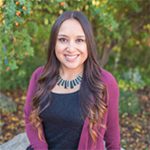
Dr. Jeffrey Rice A U.S. Army veteran and Licensed Mental Health Counselor, Dr. Rice is an experienced addiction specialist, counselor educator, and trauma-informed clinician. With over 15 years in the field, his professional interests include trauma treatment, clinical supervision, and promoting clinician resilience.


Zulaen Fernandez, Ph.D. (Clinical Mental Health Counseling)Zulaen Fernandez, Ph.D., LPC-MHSP, LCPC, BC-TMH (Clinical Mental Health Counseling) Core Faculty
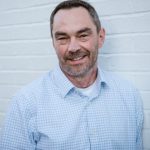
Dr. Zulaen Fernandez is a Licensed Professional Counselor, Registered Clinical Supervisor, and Board Certified-Telemental Health Provider with a Ph.D. in Counselor Education and Supervision. She specializes in addiction, virtual care, and burnout. Her approach is person-centered and strength-based, guiding her work in both clinical settings and counselor education.


Keith Brown, Ph.D. (Clinical Mental Health Counseling) Keiser University Core FacultyKeith Brown, Ph.D., PCC-S (Clinical Mental Health Counseling) Core Faculty
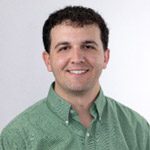
Dr. Keith Brown has been working in the mental health field since 1997.  Keith has previously been the co-chair of the Hoarding Connection of Cuyahoga County. Keith has presented at local, state, and national conventions and provides CEU’s on several topics in the mental health field. Keith completed the Mental Health Executive Leadership Program at Case Western Reserve University in 2009 and the Ladder to Leadership Program through the Robert Wood Foundation in 2010. Keith is a practicing Professional Clinical Counselor and has his supervisory endorsement from the state of Ohio.


Victoria Panna PhotoVictoria Panna Lappin, Ph.D., LPC, ACS, NCC, MS, Med (Clinical Mental Health Counseling)
Dr. Panna earned her Doctor of Philosophy in Human Sexuality with a clinical focus from Widener University in 2020. For her doctoral research, Dr. Panna examined shifts in body image and sexual self-esteem in post-bariatric women who completed bariatric surgery from August 2016 to August 2018. Dr. Panna has earned three master’s degrees: a Master’s in Education from Widener University in 2013, a Master’s in Clinical Mental Health Counseling from Villanova University in 2011, and a Master’s in Criminology from Boston University in 2009. Over the last 12 years, Dr. Panna has worked with a diverse range of issues and populations in therapeutic and educational settings. Her areas of expertise include working with pre-and post-bariatric patients; body image and sexual self-esteem; complex trauma (including Veterans and sexual violence); and grief and bereavement. Dr. Panna is certified to provide equine-assisted psychotherapy and learning (EAP/L) with the Equine Assisted and Growth Learning Association (EAGALA) as both a mental health professional and equine specialist since 2011 and Arenas for Change (ARCH) since its inception in 2021. Over the last 7 years, Victoria has taught in higher education, teaching counseling, psychology, sociology, sexuality, research, criminal justice, and community health courses at 6 colleges and universities in NJ and Keiser University (FL). When she is not working, Dr. Panna enjoys traveling, being near water, spending time with her fur babies Parker and Bleu, and volunteering with Meals on Wheels.

Emily Garcia - CMHCEmily Garcia, Ph.D., LMFT (Clinical Mental Health Counseling)
Dr. Emily Garcia earned her Doctor of Philosophy in Couple and Family Therapy from Nova Southeastern University in 2024. Her doctoral dissertation focused on how family characteristics influence Chicana sexual assault disclosures. She also holds a Master’s in Marriage and Family Therapy from Nova Southeastern University and a Bachelor’s in Family and Child Sciences from Florida State University. Dr. Garcia focuses on work with family systems, trauma-informed therapy, women’s issues, and marginalized communities. Outside of Keiser, Dr. Garcia teaches at Northwestern, Lynn, and Southern New Hampshire Universities and supervises graduate students. In her free time, Dr. Garcia enjoys spending time with loved ones, engaging in outdoor activities, and trying new craft-centered hobbies.

Francisco Gonzales - CMHCFrancisco Gonzales, PhD, LPC-S, NCC, (Clinical Mental Health Counseling) Core Faculty
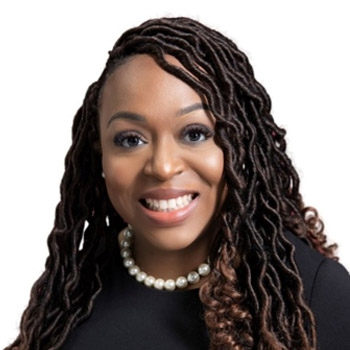

Dr. Gonzales is a Licensed Professional Counselor (LA, NJ, TX) with expertise in neurodivergence, crisis intervention, and counselor supervision. He owns a private practice, provides counseling to diverse populations and has experience in school counseling, program development, and training counselor interns, emphasizing ethical, culturally responsive, and evidence-based practice.


Student Handbook

Admission Requirements

Admission Checklist

State Licensure Disclosures

male-student

Students First Philosophy

Featuring a “Students First” mentality, Keiser University is committed to providing the education students need to excel in their careers and their lives—whether that is in this master’s in clinical mental health counseling or one of our many behavioral health and counseling graduate degree programs. Our commitment to putting students first leads us to offer several learning options, including both on-campus and online delivery formats.

From counseling theories and crisis intervention to diagnosis, evidence-based treatment, and advocacy for diverse populations, this CACREP-accredited graduate program offers aspiring counselors the education and supervised clinical experiences needed to pursue licensure as a licensed professional counselor or licensed mental health counselor and make a meaningful difference across a wide range of settings.

female-student

Know Your "WHY" Commit to Graduation

Pursue a career helping others heal and build healthier lives with a counseling program designed to match counseling theory with supervised clinical practice and professional identity development. Through practicum and internship experiences under the guidance of experienced counselor educators, you will develop the skills to serve clients facing mental health challenges, addiction, family conflict, and more.

From supporting individuals through crises and facilitating therapeutic group experiences to advocating for underserved populations and building a sustainable counseling practice, you will develop a solid foundation for making a lasting impact on the mental health and well-being of the clients and communities you serve.

Program Outline

On-Campus, Online with In-Person Residency
 
Master of Science in Clinical Mental Health Counseling Degree Courses
 
Keiser University’s Master of Science in Clinical Mental Health Counseling prepares students for professional counseling careers across various clinical settings, from private practice to community mental health centers. The CMHC program covers mental health counseling theories, diagnosis, evidence-based treatment plans, and advocacy strategies. Through supervised practicum and internship experiences, students develop the counseling skills needed to serve diverse populations and pursue counseling licensure as a licensed professional counselor (LPC) or licensed mental health counselor (LMHC).

Graduate Division Courses

Core Coursework
Foundations of Counseling 3.0 credit hours
Counseling Across the Lifespan 3.0 credit hours
Counseling Skills and Techniques 3.0 credit hours
Counseling Theories and Practice 3.0 credit hours
Ethical and Legal Issues in Counseling 3.0 credit hours
Group Theories and Practice 3.0 credit hours
Career Counseling 3.0 credit hours
Counseling Advocacy with Diverse Populations 3.0 credit hours
Crisis Counseling 3.0 credit hours
Counseling Intervention and Treatment Planning 3.0 credit hours
Assessment in Counseling 3.0 credit hours
Research and Program Evaluation 3.0 credit hours
Psychopathology and Diagnosis 3.0 credit hours
Specialization Coursework
Counseling in Community Settings 3.0 credit hours
Couples and Family Counseling 3.0 credit hours
Foundations of Addiction and Addictive Behavior 3.0 credit hours
Counseling and Sexuality 3.0 credit hours
Fieldwork Experiences
Pre-Practicum in Counseling 0.0 credit hours
Practicum in Counseling 3.0 credit hours
Internship in Counseling I 3.0 credit hours
Internship in Counseling II 3.0 credit hours

If you’re someone who cares about…

Helping others work through mental health challenges, wanting to make a real difference in people’s lives, and seeking a career built on empathy and purpose,

a master’s in clinical mental health counseling might be the right path.

Clinical mental health counseling students tend to be compassionate, curious, and committed to ethical practice — with the resilience to support clients through difficult times and the insight to connect across diverse backgrounds.

Whether drawn to addiction counseling, family counseling, or group counseling in community settings, this program gives students the clinical training and professional identity to turn that drive into meaningful work.

Clinical Mental Health Counseling MS
Hispanic Outlook in Higher Education Magazine

Top 100 Hispanic-Serving Institutions
(2024, Hispanic Outlook on Education Magazine)

U.S. News & World Report

Top 25 university in the country in providing Social Mobility, including being ranked #1 in 2023
(U.S. News & World Report)

The Chronicle of Higher Education

#2 Best 4-year graduation rates, private, nonprofit, nonresidential
(2023, The Chronicle of Higher Ed.)

Career Pathways in Clinical Mental Health Counseling

Graduates of Keiser University’s Master of Science in Clinical Mental Health Counseling prepare for roles across the mental health field, including positions in private practice, mental health centers, rehabilitation facilities, schools, and government agencies. This graduate program supports aspiring mental health professionals by strengthening their ability to develop treatment plans, apply counseling theories, assess behavioral disorders, and serve clients across various clinical settings. According to the U.S. Bureau of Labor Statistics, demand for mental health counselors remains strong, reflecting the growing need for qualified professionals across the counseling profession.

  • Licensed Professional Counselor (LPC)
  • Licensed Mental Health Counselor (LMHC)
  • Substance Abuse Counselor
  • Addiction Counseling Specialist
  • Marriage and Family Therapist
  • School Counselor
  • Case Manager
  • Community Mental Health Counselor
  • Rehabilitation Counselor
  • Clinical Director
  • Behavioral Health Specialist
  • Mental Health Advocate
  • Program Evaluator
ms-in-clinical-mental-health-counseling-800x800-1

Gain Job-Ready Skills for a Clinical Mental Health Counseling Career:

  • Counseling theories and evidence-based treatment approaches
  • Group counseling skills and individual consultation techniques
  • Ethical practice and professional behavior standards
  • Diagnosis of mental and emotional disorders and behavioral disorders
  • Addiction counseling and substance abuse intervention
  • Program evaluation and research methods
  • Cultural competence and advocacy for diverse populations

Keiser University offers career-focused degree programs designed to support working adults, traditional students, and career changers. With on-campus, online, and hybrid learning options, experienced faculty, and comprehensive student support, Keiser helps learners achieve their personal and professional goals at all levels.

Accredited University

Keiser University is accredited by the Southern Association of Colleges and Schools Commission on Colleges (SACSCOC), ensuring your education meets rigorous academic standards.

One Class at a Time

Take one or two classes at a time and balance school with work and family. Enjoy personalized attention through our small classes and student-first approach.

Financial Services

We’re here to help guide you through the financial aid process and provide assistance. Scholarships and financial aid are available for students who qualify.

See What Sets Keiser Graduate School Apart

At Keiser University Graduate School, you’ll find more than an advanced degree; you’ll find a supportive community dedicated to your success. Students benefit from personalized attention, meaningful relationships with faculty, and a culture that values them as individuals, not just numbers. With guidance, encouragement, and resources designed to help you achieve your goals, Keiser provides an environment where you can grow professionally, develop personally, and confidently take the next step in your career. The focus is on your learning and your success because your future matters.

Student Testimonials

At Keiser University, we are here to help you succeed by providing the professional and academic foundation to meet your educational goals and objectives.

Tom Buchanan
Keiser University Nursing Student

Tom Buchanan, a military veteran and nursing student, says Keiser helped him transition into a meaningful healthcare career where he could continue serving his community. He appreciates the strong support available to veterans, including a dedicated VA adviser who is responsive, helpful, and committed to ensuring students fully use the benefits they earned through service.

Audrey Chouraqui Azoulay
Cinematic Arts program graduate

Audrey Chouraqui Azoulay, a Cinematic Arts program graduate, has shared her positive experience. She expressed gratitude to her professors, Samantha Kountz and Jean Jacques, for their encouragement and support during her studies. Her story highlights a passion for film production and acknowledges the program’s contribution to her success.

Kadeshia Rose
Keiser University Software Engineering Student

The environment is friendly. The instructors really actually care about how you are going to get your degree. Keiser was a great fit.

Kennedy Foster
Sports Management Graduate

Keiser University has always supported me in every aspect of my life. Athletically, they have provided top-notch coaches, athletic trainers, and strength coaches who truly helped mold and build me into the player that I am today. Academically, my professors brought out the best in me and constantly made me think critically in real-world situations, and professionally, my professors truly prepared me for my current job. Every task I am given, I can think back to my time at KU and think of an assignment or discussion that I had.

Antigonie Sanabria
Sports Management student

I picked Keiser because, first of all, it’s a school sports management, so I knew that there would be a higher focus of that here, and I knew I could get the best education that I wanted to have if I attended.

Lee Tamburro
Crime Scene Technology student

Being able to solve problems and try to figure out what exactly happened and try to help whoever is the victim is amazing. In a smaller classroom setting you have more time with your teacher. A lot of times you’re just a name on a paper in a bigger class but in Keiser’s smaller classes format, it’s a little more personable, and one class at a time is very helpful.

Amya Black
Culinary Arts, AS degree student

I chose Keiser because of a good friend of mine. She graduated last year and hearing all the good things about the program really made a difference. And this is possibly the best school experience I’ve had. Your teachers know your name. They know your personality. They know what to expect of you. Honestly, they push you to be the best version of yourself.

Marcus Walton
Keiser University Cybersecurity student

Keiser University is one big giant family and I feel that I’ve I learned a lot more here than I would on a traditional campus. This university has changed my life; I’m more assertive, I am completing tasks more efficiently, and I’ve learned a whole lot about it and cyber security.

Haley Roberge
BS in Forensic Investigations graduate

What I love about Keiser is the fact that there’s intimate class sizes, teachers that actually care about what you’re going to school for and they have real life experience; they’re going to be there for you throughout your journey; it’s not just you see that teacher one time and you’re done.

Will Doyle
Sports Medicine & Fitness Technology Graduate

I heard about Keiser University through a battle buddy that I was overseas with in the military. For me school was tough; the more one-on-one attention at Keiser helped me a lot and the teachers that seemed to reach out to you and care. I think that little push right there kept me dedicated. I became a gym owner because I got the skills I needed at Keiser.

Alex Avila
Sports Medicine & Fitness Technology Student

Hands On, Practical Instruction. We have incredible instructors who are very knowledgeable in this field.

Jacvelyne Michel
Keiser University Nursing Student

I chose to study at Keiser University because they offer the accelerated nursing program which I could get my BS in in 16 months. They push us to do our best and they’re very fixated on us passing all of our classes and understanding the concepts. And they really prepare us well for the NCLEX exam.

Ryan G
Culinary Arts Graduates

“I know that when I go for a job interview and I have Keiser University on my resume that I am going to get the job.”

Jillian Bellis
Keiser University Nursing Student

Jillian Bellis, a nursing student, says Keiser University gave her the opportunity to return to school and pursue her lifelong passion for nursing. She highlights key benefits of Keiser, including flexible pathways for adult learners and career changers, supportive programs designed for students at different life stages, and the chance to pursue meaningful, career-focused education later in life.

Solange Mondesir
Keiser University College of Nursing Student

Seeing Keiser nurses out in the field – Keiser pushes out good nurses. So, I know I’m going to be prepared once I step out of the program.

Kadeshia Rose
Keiser University Software Engineering Student

The environment is friendly. The instructors really actually care about how you are going to get your degree.  Keiser was a great fit.

Kiefer Suau
Bachelor of Science in Software Engineering graduate

Keiser University provided me with the foundation to turn ambition into action, equipping me with the discipline, purpose, and support necessary to make a lasting impact. The dedicated faculty and my incredible colleagues continually challenged, inspired, and encouraged me, shaping both my personal and professional growth. With my Bachelor of Science in Software Engineering, I’ve been able to pursue meaningful contributions in public service and technology, while advancing my career as a Board-Certified Behavior Analyst for Behavioral Pedestal LLC and Spring Health ABA.

Brian Mardy, RN
Associates of Science Degree in Nursing

I was an active reservist and wanted to enter nursing. Keiser University provided me with new opportunities to do much more in life.

Gaelen Przybylowicz
Keiser University B.S. in Law Enforcement Operations – Forensics Concentration Graduate

I learned a lot about my subject field while attending Keiser. All my teachers continually promoted success and successful thinking, and my peers helped me to a higher standard than others because they knew I could achieve more.

Christy Marek
Keiser University B.S. in Law Enforcement Operations Graduate

KU taught me how to thoroughly do an investigation, read a police report, and understand crime scenes and photos of crime scenes along with any other evidentiary items. I really loved the classes in our program as well as being able to focus on one class a month. It allowed me to learn more.

Brandon Alexander Presley
Legal Studies Student

“My experience at Keiser has been incredible, especially because of the small class sizes—they’re really catered to us and make learning more personal and engaging. As a veteran, I was worried about adjusting back to a structured routine, but the campus made that transition much easier.   Overall, this campus has truly become like a family to me.”

Sarah S.
Keiser University Medical Assisting Graduate

I cannot thank Keiser University enough for the experience and the learning opportunities I have had here. I never thought that at 20 years old, I would be halfway through my bachelor’s degree and working full-time as a medical assistant.

Quondra B.
Keiser University Medical Assisting Graduate

“I have had the experience of dealing with classes that accommodated my schedule of being a full-time employee as well as a full-time mother of three. The hands-on experience and the knowledge received was outstanding. I was elated by the amount of information I received in such a short period of time.”

Danna Murphy
Master of Science in Nursing Graduate

“I really enjoyed the small class sizes and having an advisor at the campus who was able to guide me when I needed advice. I could take the program online, which helped tremendously as I was staying home with my children. Being able to do my schoolwork on my own timetable helped me to be accessible for my children and my husband.”

Arisnelvys Gonzalez, JD
Paralegal Studies Graduate

“Keiser University provided me with everything I needed for my future career as a licensed Florida Bar Attorney. While at KU I retained an Associates Degree in the Paralegal Studies Program. The Program helped me develop not only the essential skills a paralegal is required to hold but also long-term practical and professional skills.”

Justin Pugh
Full Stack Engineer

“The instructors at Keiser University impacted my life. They believed in my ability to become a great graphic designer, regardless of how I felt about my skills. KU helped to prepare me for the real world and got me to where I am today.”

John F. Phelan
Fire Chief – Mashpee, MA

“When I first enrolled, I was new to the online educational environment and nervous as to how the experience would go. Keiser University has a knack for selecting educators who are perfect for this method of instruction, which allowed me and my fellow classmates to get up to speed quickly.”

Wayne Webb
Criminal Justice Graduate

“KU prepared me for Pat Thomas Law Enforcement Academy and the Florida State Correctional program. I have finally reached my goal of becoming a full-time deputy, with the Leon County Sheriff’s Office.”

Emily Emilov
Forensic Investigations Graduate

“At Keiser University we’re here to help you succeed by providing the professional and academic foundation to meet your educational goals and objectives.”

Ayden Przybylowicz
Associate of Science in Culinary Arts Graduate

“Because of the experiences I had at Keiser, along with the contacts I made, I made great progress throughout my career already. I thoroughly enjoyed the quality of my education at KU.”

Jennifer Kotzur
Curriculum and Instruction, PhD

“The C & I program at Keiser University is one of the best PhD programs, offering student-center learning and student-first learning. KU provided the rigor and growth I needed to be prepared for my future endeavors.”

Marie Boone
Family Nurse Practitioner, MSN

“I chose Keiser University because I was looking for a local University that was flexible and suited my needs as a parent and full-time RN. The weekly live interactions with the professors were a definite plus. The tuition was reasonable and less than other Universities. Keiser University’s motto, “purity, truth, wisdom” was honored by the commitment of the nursing faculty to the students.”

Javier Araque
Keiser University’s College of Nursing

“My name is Javier Araki, and I’m in the nursing program at Keiser University. What stands out most to me is their students-first approach. Everything is centered on preparing us for the real-world demands of the field. The faculty and staff genuinely support you and help in every way they can. Because of that environment, I truly feel empowered and confident about my future in nursing.”

Anthony Alber
KU Sport Management and Operations, MS Graduate

“I am forever grateful to have been a part of the Keiser Sports Management program! Not only did I gain professional momentum to kickstart my career, I received help from professors that truly care about their students and made great friends along the way.”

Osmara Cailam
Master of Science in Nursing Graduate

“Choosing Keiser was instrumental because they offered small class sizes and the faculty provided one-on-one time with all of the students. Being in an online program, it is essential to have someone accessible to you and the faculty was always there when we needed them. I was also impressed at the structure, organization and curriculum for the program at Keiser.”

Ryan Bushey
Content and Media Production

“My instructors weren’t interested in just teaching. They were invested in every single student. They were invested in me. I’m proud to say I went to Keiser University, if for no other reason, because of my personal and professional development my instructors brought me.”

Jane Krolewski
Master of Science in Family Nurse Practitioner Graduate

“The Family Nurse Practitioner Program at Keiser University is an excellent program managed by a group of dynamic and dedicated professional educators. During my time at Keiser University, there was never a moment when I felt alone or lost. The support and guidance of my instructors were instrumental in accomplishing my professional goals and certification.”

Kiefer Suau
Software Engineering Graduate

“The dedicated faculty and my incredible colleagues continually challenged, inspired, and encouraged me, shaping both my personal and professional growth. With my Bachelor of Science in Software Engineering, I’ve been able to pursue meaningful contributions in public service and technology.”

Jada Vidal
Culinary Arts Graduate

“Keiser was one of the best choices I made for culinary school but you must put in the time, show up, and listen to your chefs.“

Heather S
Keiser University Criminal Justice Graduate

Once I graduated, I found a job right out of college within my degree. I now proudly work for the Florida Department of Juvenile Justice.

Wayne W.
Keiser University Criminal Justice graduate

When I came to Keiser University, I had no idea what I was capable of doing. I knew if I made good grades and worked hard, it would look good on my resume. It would also show my girls how important an education was. So, I worked hard. KU prepared me for Pat Thomas Law Enforcement Academy and the Florida State Correctional program…I have finally reached my goal of becoming a full-time deputy, with the Leon County Sheriff’s Office.

Jason Liska
Keiser Graduate and Lake County Fire Fighter and Paramedic

Liska said he chose the Keiser University Fire Science program because of the professors’ real-life experiences in the field and the convenience of the one-class-at-a-time and one-class-per-month schedule. “You’ve got to find a way to balance things and Keiser was very beneficial in providing me that balance.”

Desiree James
Keiser University Diagnostic Medical Sonography Graduate

I loved that Keiser University focused on one class per month. I feel I gained a lot from this because there were no distractions from other subjects in the same period of time. I found the information for each subject was better retained this way. In addition, my professors were always available for one-on-one help which is nearly unheard of in a large university or state college.

Deanna Confessore
Deanna Confessore – Golf Management graduate – Keiser University

My time at Keiser gave me hands-on experience teaching golf and great mentors to look up to.

Jason Loomis
Executive Director at Great River Golf Club.

“Huge gratitude towards Keiser University, you know, I was a golf enthusiast and wanted to get into the game. And it was a perfect school that opened its doors to me, let me in, and showed me the ropes. And their guidance and education, and not to mention mentorship, even after I graduated, has really propelled me into the professional I am today.”

Samuel Fernandes
Animation and Game Design student – Keiser University

I’m Samuel Fernandes of Keiser University. I’m currently enrolled as a student under the animation and game design bachelors and I enjoy with my whole heart right now. I came to Keiser because it welcomes people and it was very warm and inviting. It allowed me to create the world I want. Here at Keiser, if you want to create world environments, if you want to enlist in characters, the game design program here is perfect.

How to Apply

  1. Submit your online application.
  2. Speak with an admissions advisor.
  3. Provide transcripts or transfer credits.
  4. Enroll and choose your start date.

💬 Chat With Us

💬 Habla con Nosotros

📞 Speak to Your Advisor: 1-888-753-4737

Keiser University’s Master of Science in Clinical Mental Health Counseling program prepares students to advance their careers in the mental health field through graduate-level study. With flexible online learning and in-person residency options, this CMHC program aligns with the goals of career changers, working professionals, and recent graduates seeking counseling licensure. Whether the goal is private practice, community mental health centers, addiction counseling, or family counseling, Keiser provides the clinical training, professional identity development, and counseling skills needed to make a lasting impact in the lives of clients and communities.

Apply Now

Top Questions About Earning a Master’s in Clinical Mental Health Counseling

Can I complete the clinical mental health counseling program online at Keiser University?

Yes. Keiser University’s Master of Science in Clinical Mental Health Counseling is available in an online format with required in-person residency components. Students attend weekly live classes and complete supervised practicum and internship experiences under faculty guidance, receiving the same quality instruction and support regardless of where they study.

What is the difference between a master's degree and a bachelor's degree in counseling?

A bachelor’s degree provides foundational knowledge in psychology and behavioral science. A master’s in clinical mental health counseling offers advanced training in counseling theories, diagnosis, clinical practice, and ethical practice, along with the graduate-level credentials needed to pursue counseling licensure as a licensed professional counselor or licensed mental health counselor.

What counseling licensure can graduates pursue after completing this program?

Graduates of Keiser University’s CMHC program prepare for state licensure as a licensed professional counselor (LPC) or licensed mental health counselor (LMHC), depending on the state in which they practice. The program’s CACREP accreditation supports graduates in meeting the educational requirements for the national counselor examination and other credentialing pathways, including the national certified counselor designation.

Can I receive credit for courses completed at another institution?

Keiser University’s Graduate School welcomes transfer credits from accredited institutions, subject to evaluation and approval. Key transfer credit policies include:

  • Master’s degree students may transfer up to 12 graduate-level credits (master’s or doctoral level) from an accredited college or university, provided the courses are equivalent to relevant Keiser University courses.
  • Doctoral degree students may transfer up to 18 graduate-level credits (master’s or doctoral level) with evaluation and approval.
  • Undergraduate credits are not transferable to graduate-level programs.
  • Credits from non-accredited institutions that are substantially equivalent in content may be granted on a course-by-course basis.
  • Transfer credits from non-U.S. institutions are evaluated through an approved educational evaluator service confirming equivalency to coursework at a U.S. accredited institution.
  • Acceptable courses must be equivalent to a grade of B or higher; courses with a Pass or Satisfactory grade may be considered at the discretion of the Dean.

Credit transfer benefits: students who have earned credits at other institutions may be able to apply them toward their degree, helping reduce overall tuition costs and time to completion. Credit transfer is subject to evaluation and approval. For full details, refer to the Graduate School transfer of credit FAQ.

Is financial aid available for online master's in clinical mental health counseling?

Yes. Online graduate-level students can access financial aid resources, including scholarships and tuition assistance programs. For more details, refer to the Graduate School Prospective Students FAQ.

Is the CMHC program accredited?

Keiser University’s Master of Science in Clinical Mental Health Counseling is accredited by the Council for Accreditation of Counseling and Related Educational Programs (CACREP) located at 500 Montgomery Street, Suite 350 Alexandria, VA 22314 (703) 535-5990  https://www.cacrep.org 

What mental health counseling careers can graduates pursue?

Graduates of Keiser University’s CMHC program pursue careers across various clinical settings, including private practice, community mental health centers, rehabilitation facilities, schools, hospitals, and substance abuse treatment programs. Common roles include licensed professional counselor, licensed mental health counselor, addiction counselor, crisis counselor, case manager, and clinical director.

How long does it take to complete the master's in clinical mental health counseling?

Students typically complete the 60-credit CMHC program in 36 to 48 months, though time to degree completion varies based on individual circumstances, transfer credits, and course load. Contact the admissions team for a personalized timeline.

How much does it cost to earn this degree?

Tuition at Keiser University varies by degree program. Keiser offers financial aid, military and veteran benefits, scholarships, and tuition reimbursement to those who qualify, which can affect total tuition cost. For more detailed cost information, please contact an admissions counselor. Get more information about Keiser University’s tuition and costs.

What clinical experiences are included in the CMHC program?

The CMHC program includes a supervised practicum experience and a two-course advanced internship sequence of clinical training. Students complete practicum and internship experiences in approved clinical sites, applying counseling skills and techniques under the supervision of experienced counselors. These practical experiences prepare students for professional practice in the mental health field upon successful completion of the program.

This Program is Available at the Following Campuses

Clearwater

16120 U.S. Highway 19 N., Clearwater, Florida 33764

Clearwater
Daytona Beach

1800 Business Park Boulevard Daytona Beach, Florida 32114

Daytona Beach
Flagship

2600 North Military Trail, West Palm Beach, FL 33409

Flagship
Fort Lauderdale

1500 Northwest 49th Street Fort Lauderdale, Florida 33309

Fort Lauderdale
Fort Myers

9100 Forum Corporate Parkway Fort Myers, FL 33905

Fort Myers
Graduate School

1600 W. Commercial Blvd. Fort Lauderdale, Florida 33309

Graduate School
Jacksonville

6430 Southpoint Pkwy Jacksonville, Florida 32216

Jacksonville
Lakeland

2400 Interstate Drive Lakeland, Florida 33805

Lakeland
Melbourne

900 South Babcock Street Melbourne, Florida 32901

Melbourne
Miami

2101 NW 117th Ave. Miami, Florida 33172

Miami
Naples

3909 Tamiami Trail East, Naples, Florida 34112

Naples
New Port Richey

6300 US-19 North, New Port Richey, Florida 34652

New Port Richey
Ocala

1601 NE 25th Avenue, Suite 602, Ocala, FL 34470

Ocala
Online Education

1900 W. Commercial Blvd, Suite 100 Ft. Lauderdale, FL 33309

Online Education
Orlando

5600 Lake Underhill Road Orlando, Florida 32807

Orlando
Pembroke Pines

1640 SW 145th Avenue Pembroke Pines, Florida 33027

Pembroke Pines
Port St. Lucie

9400 SW Discovery Way, Port Saint Lucie, FL 34987

Port St. Lucie
Sarasota

6151 Lake Osprey Drive Sarasota, Florida 34240

Sarasota
Tallahassee

1700 Halstead Boulevard, Building 2 Tallahassee, Florida 32309

Tallahassee
Tampa

5002 West Waters Avenue Tampa, Florida 33634

Tampa
West Palm Beach

2085 Vista Parkway West Palm Beach, Florida 33411

West Palm Beach