


A culinary arts degree opens doors to diverse career paths across the food industry, from leading restaurant kitchens to developing products for major food brands. If you’re passionate about cooking and want to turn that passion into a fulfilling career, pursuing culinary education at Keiser University can provide the foundation you need to succeed in this dynamic field.
The culinary world extends far beyond restaurant work. The U.S. restaurant and foodservice industry reached $1.5 trillion in sales in 2025, creating abundant opportunities across multiple career paths. While many graduates pursue traditional cooking roles as chefs and line cooks, a culinary degree also prepares you for careers in food styling, recipe development, catering companies, food safety, and culinary education. Whether you envision yourself creating innovative dishes, managing kitchen operations, or building your own food business, the skills you gain through formal culinary training can support your professional goals.
Graduate Spotlight: Jada Vidal
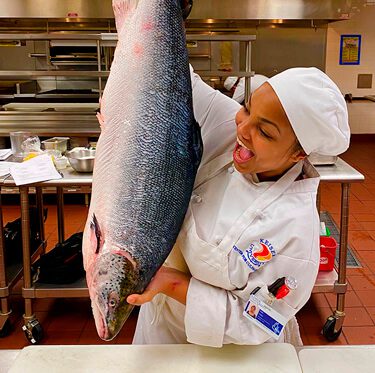
ne standout example of what a Keiser University culinary arts education can unlock is the career of Jada Vidal, an Honors graduate of Keiser University’s Center for the Culinary Arts. After building her foundation at First Watch, Epicurean, and Counter Culture, Jada rose to Sous Chef at Noble Rice and currently serves as Chef de Cuisine at Kinjo. Her culinary talent earned national recognition through appearances on Food Network’s Guy’s Grocery Games and Chopped, and she achieved an impressive second-place finish on Hell’s Kitchen Season 24. Her journey is a powerful example of how a culinary degree, combined with drive and talent, can propel a graduate into the national spotlight.
Explore more student stories at the VooDoo Chef Foundation Student Spotlights.
In This Article
- Core Kitchen & Culinary Careers
- Management & Leadership Roles
- Creative & Media Careers
- Food Business & Entrepreneurship Opportunities
- Specialized Career Paths in the Food Industry
- Why Florida Offers Unique Culinary Opportunities
- Skills You’ll Develop in a Culinary Arts Program
- How to Choose the Right Culinary Program
- Frequently Asked Questions
Core Kitchen & Culinary Careers
Executive Chef
Executive chefs serve as the creative and operational leaders of restaurant kitchens. They design menus, manage budgets, oversee kitchen staff, and ensure food quality meets establishment standards. This role requires strong leadership abilities, culinary expertise, and business acumen developed through both education and hands-on experience.
Employment for chefs and head cooks is projected to grow 7 percent from 2024 to 2034, much faster than the average for all occupations, according to the U.S. Bureau of Labor Statistics. The position demands attention to food preparation, kitchen operations, and staff development. Executive chefs often work closely with restaurant owners and food and beverage managers to create dining experiences that keep customers returning.
Sous Chef
The sous chef acts as the right hand to the executive chef or head chef, managing daily kitchen operations and supervising cooking staff. This role involves overseeing food preparation, training team members, and stepping in to lead the kitchen when needed.
Sous chefs coordinate between different kitchen stations, maintain food quality standards, and help develop recipes. The role provides valuable experience for culinary professionals working toward executive chef positions.
Line Cook
Line cooks form the backbone of restaurant kitchens, preparing ingredients and cooking dishes at specific stations. Each station focuses on different cooking techniques, from grilling meats to preparing sauces or plating finished meals.
This role teaches time management, organization, and the ability to work efficiently under pressure. Many experienced chefs started their culinary careers as line cooks, building foundational skills that supported their advancement.
Pastry Chef
Pastry chefs specialize in creating desserts, baked goods, and sweet menu items. Their work combines baking techniques with artistic presentation, requiring both technical precision and creativity. Programs in pastry arts teach specialized skills in working with chocolate, sugar, and various dough preparations.
These culinary professionals often collaborate with executive chefs to design dessert menus that complement overall dining experiences. Opportunities exist in restaurants, pastry shops, hotels, and bakeries.
Chef de Cuisine
A chef de cuisine oversees all aspects of kitchen management for a specific restaurant or dining establishment. Similar to an executive chef, this role involves menu planning, staff supervision, and maintaining food quality standards. The position requires culinary expertise combined with strong leadership and operations management skills.
Management & Leadership Roles
Restaurant Manager
Restaurant managers handle the business side of food service establishments, overseeing daily operations, staff scheduling, customer service, and financial performance. While not always in the kitchen, understanding cooking techniques and food preparation helps them make informed decisions about menu offerings and kitchen efficiency.
A culinary degree provides valuable insight into restaurant work that helps managers communicate effectively with kitchen staff and address operational challenges.
Food and Beverage Manager
Food and beverage managers oversee dining operations in hotels, resorts, corporate settings, and large event venues. They manage inventory, coordinate with multiple kitchens, develop beverage programs, and ensure quality across all food service areas.
The role requires project management abilities, budget oversight, and understanding of both culinary operations and hospitality industry standards. These beverage managers often supervise teams of chefs, servers, and support staff.
Food Service Director
Food service directors manage large-scale food production and delivery in institutional settings like schools, hospitals, healthcare facilities, and community centers. They ensure meals meet nutrition requirements while complying with health regulations and budget constraints.
This career path appeals to those interested in making nutritious food accessible to specific populations. The role involves menu planning, vendor relationships, and staff management across multiple serving locations.
Catering Manager
Catering managers coordinate food preparation and service for events ranging from private parties to large corporate functions. They work with clients to create customized menus, manage logistics, oversee staff, and ensure smooth event execution.
The position requires strong client relations skills, ability to manage multiple projects simultaneously, and flexibility to adapt to different event types and venues. Catering teams must deliver consistent quality while working in various environments.
Creative & Media Careers
Food Stylist

Food stylists make dishes visually appealing for photography, video, television, and advertising. They arrange ingredients, adjust lighting considerations, and perfect presentation to create images that make viewers crave the food.
This career combines culinary knowledge with artistic vision. Food styling requires understanding how different ingredients photograph, mastering plating techniques, and working efficiently on set with photographers and creative teams. The role offers opportunities with advertising agencies, media companies, and food brands.
Food Writer
Food writers create content about culinary topics, including restaurant reviews, recipe articles, cookbooks, and coverage of food trends. They might work for magazines, newspapers, digital publications, or maintain their own food blogs.
Successful food writers combine strong writing abilities with culinary knowledge gained through cooking schools or restaurant experience. The field includes various specializations, from investigative food journalism to recipe development for publications.
Recipe Developer
Recipe developers create and test recipes for restaurants, cookbooks, food manufacturers, and media outlets. They experiment with ingredients, refine cooking techniques, and document precise measurements and instructions that others can follow successfully.
This role appeals to creative culinary professionals who enjoy innovation in the kitchen. Recipe developers must understand food science principles, dietary needs, and current food trends to develop recipes that appeal to target audiences.
Culinary Instructor
Culinary instructors teach cooking techniques, food safety, and culinary theory in various educational settings. They might work at cooking schools, community colleges, community centers, or offer private cooking classes.
This career path typically requires significant kitchen experience and strong communication skills. Instructors share their culinary expertise while helping students develop fundamental skills and confidence in the kitchen.
Food Business & Entrepreneurship Opportunities
Graduate Spotlight: Award-Winning International Flavor
Culinary entrepreneurship takes many forms. Keiser University graduates have launched careers that span borders and cultures. Read the story of another award-winning KU culinary arts graduate who brought international flavor to their career, a testament to how diverse a culinary arts degree can make your path.
Personal & Private Chef
Personal and private chefs prepare customized meals for individual clients, often in the clients’ homes. Personal chefs typically manage multiple clients, handling meal planning, grocery shopping, food preparation, and cleanup for several households. Private chefs, by contrast, work exclusively for one client or family, providing daily meals and sometimes traveling with them.
Both roles offer the flexibility to create menus tailored to each client’s preferences and nutritional requirements. Whether managing multiple households or building deep familiarity with a single family’s tastes, these positions reward chefs who value personalized, one-on-one culinary experiences and independent scheduling.
Caterer
Caterers prepare and serve food for events like weddings, corporate meetings, and celebrations. Running a catering business requires culinary skills plus entrepreneurial abilities in marketing, pricing, logistics, and customer service.
Catering appeals to organized individuals who enjoy working across fast-paced environments. Catering companies range from small operations focusing on intimate gatherings to large businesses serving hundreds of guests.
Food Truck Owner
Food trucks offer a lower-cost entry point into food entrepreneurship compared to traditional restaurants. Operators create focused menus, find high-traffic locations, and build customer bases through social media and consistent quality.
The U.S. food truck industry has grown significantly, with over 92,000 food truck businesses operating nationwide in 2025, reflecting strong entrepreneurial interest in mobile food service. Food trucks demonstrate that successful culinary ventures don’t require extensive equipment, many operate with just a refrigerator, griddle, and toaster, proving as popular as high-tech restaurant kitchens while maintaining significantly lower overhead.
The food truck model allows culinary professionals to test concepts, build brand recognition, and potentially expand into brick-and-mortar locations. Success requires both cooking skills and business knowledge.
Ghost Kitchen Operator
Ghost kitchens operate out of commercial kitchen space, creating food exclusively for delivery and takeout. This business model reduces overhead costs by eliminating dining room expenses while focusing entirely on food production.
The global ghost kitchen market is projected to grow from $88.42 billion in 2025 to $196.69 billion by 2032, representing a significant opportunity for culinary entrepreneurs. The approach appeals to entrepreneurs who want to launch food businesses with lower initial investment. Ghost kitchens can serve multiple restaurant concepts from a single location.
Specialized Career Paths in the Food Industry
Food Scientist
Food scientists analyze food at a molecular level, working to improve safety, nutrition, shelf life, and sustainability. They might develop new food products, improve manufacturing processes, or research ways to reduce waste in food production.
This career combines culinary knowledge with scientific training. Food scientists often work for food manufacturers, research institutions, or government agencies ensuring food quality and safety.
Food Safety Specialist
Food safety specialists develop and implement protocols ensuring food production and preparation comply with health regulations. They conduct inspections, train staff on proper procedures, and investigate potential contamination issues.
The role plays a crucial part in protecting public health. Food safety specialists work in restaurants, food manufacturers, healthcare facilities, and government agencies.
Research & Development Chef
R&D chefs work for food manufacturers and test kitchens developing new products. They create recipes that can be produced at scale, test ingredient substitutions, and ensure consistency across large production runs.
This specialized role combines culinary creativity with understanding of food science and manufacturing capabilities. R&D chefs bridge the gap between kitchen innovation and commercial food production.
Food and Beverage Director
Food and beverage directors oversee all dining operations within hotels, resorts, or large hospitality organizations. They manage multiple restaurants, banquet services, room service, and bar programs while maintaining quality standards and financial targets.
The position requires broad culinary knowledge, leadership skills, and ability to coordinate across different food service departments.
Performance Chef
Performance chefs create specialized meal plans for athletes and sports teams, focusing on nutrition strategies that support training, recovery, and peak performance. They analyze athletic demands, develop customized menus, and often travel with clients.
This emerging field attracts culinary professionals interested in nutrition knowledge and sports science. The role requires understanding how food fuels different types of athletic performance.
Why Florida Offers Unique Culinary Opportunities
Florida’s culinary landscape creates exceptional career opportunities for culinary graduates, driven by factors that set the state apart from other markets.
Hotels and Resorts Market
Florida’s hotels and resorts represent one of the strongest employment sectors for culinary professionals. These properties offer not only abundant positions but also career advancement opportunities within large hospitality corporations. Culinary professionals can transfer between properties across different markets while building their careers within established brands like Marriott, Hilton, and other major hotel groups.
Country Clubs and Golf Course Dining
The state’s concentration of country clubs and golf courses creates substantial demand for club chefs and culinary teams. These venues typically offer stable employment, opportunities to work with member relationships, and exposure to upscale dining operations.
Students who gain experience at prestigious events, such as those who have worked at The Masters Tournament in Augusta, find that local golf clubs and resorts particularly value this background. Such experiences demonstrate both culinary skill and the ability to perform in high-pressure, high-profile environments.
Year-Round Employment Stability
 Unlike many markets where hospitality employment fluctuates with seasons, Florida maintains steady culinary employment throughout the year. The state’s tourism industry, combined with its growing year-round population, creates consistent demand for culinary professionals.
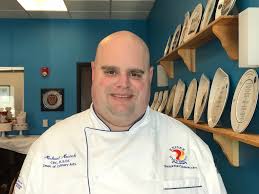
“Even during the 2010 economic downturn, Florida’s hospitality industry continued hiring culinary professionals,” notes Michael Moench CEC, AAC, Keiser University Dean of Academics . “The state’s tourism-driven economy provides more employment stability than many other regions.”
This year-round demand helps culinary professionals build continuous experience and maintain stable employment, even during broader economic challenges.
Skills You’ll Develop in a Culinary Arts Program
Culinary education provides both technical and professional capabilities that serve you throughout your career. Programs designed to prepare students for diverse culinary careers focus on building comprehensive skills.
Cooking Techniques
Students master fundamental cooking methods including grilling, sautéing, roasting, braising, and baking techniques. You learn how to work with different ingredients, understand cooking temperatures, and achieve desired textures and flavors. These foundational skills apply across all culinary career paths. Modern professional kitchens increasingly incorporate technology such as programmable ovens and precision equipment, and familiarity with kitchen technology complements traditional technique mastery.
Food Safety and Sanitation
Food safety training covers proper food handling, storage, and preparation to prevent foodborne illness. You learn critical temperature controls, cross-contamination prevention, and kitchen sanitation standards required in professional food service. These practices protect both customers and your professional reputation.
According to the National Restaurant Association, the restaurant and food service industry is the nation’s second-largest private employer. The industry recorded approximately $1.5 trillion in sales in 2025, underscoring the ongoing demand for trained professionals who understand food safety protocols.
Menu Planning and Development
Culinary programs teach you to design menus that balance creativity, cost, nutrition, and customer appeal. You learn to develop recipes, calculate food costs, and create offerings that align with concept and target audience.
Business and Operations Management
Understanding the business side of food service helps you succeed whether working for established operations or launching your own ventures. Coursework often covers budgeting, inventory management, staff scheduling, and customer service principles.
Time Management and Organization
Professional kitchens demand efficiency and coordination. Culinary training develops your ability to prioritize tasks, manage multiple projects, and maintain organization during busy service periods. These skills transfer to any role within the food industry.
The U.S. Bureau of Labor Statistics predicts a 7% job growth rate for chefs and head cooks from 2024 to 2034, which is faster than the average for all occupations. This projected growth reflects continued demand for skilled culinary professionals.
Creative Problem-Solving
Working in kitchens requires adapting to unexpected challenges, from ingredient shortages to equipment issues. Culinary education helps you develop creative solutions while maintaining quality and service standards.
How to Choose the Right Culinary Program
Selecting a culinary program that aligns with your goals and circumstances shapes your educational experience and career preparation.
Accreditation Matters
Look for programs accredited by recognized organizations like the American Culinary Federation (ACF). Accreditation ensures the program meets industry standards and that employers will recognize your credentials. The ACF Education Foundation sets quality benchmarks for culinary education programs.
Keiser University’s Center for Culinary Arts holds ACF accreditation, demonstrating commitment to educational excellence and industry standards.
Consider Your Learning Style
Decide whether hands-on, in-person training or online flexibility better suits your needs. Some programs offer hybrid options combining online coursework with hands-on experience in professional kitchens.
Online programs work well for students balancing work, family, or other commitments. Traditional campus programs provide immersive kitchen environments and direct interaction with instructors and peers.
Evaluate Degree Options
An associate’s degree typically takes about two years and focuses on foundational culinary skills and techniques. These programs prepare you for entry-level positions and can serve as stepping stones to bachelor’s degrees.
Some students choose certificate programs offering focused training in specific areas. Consider how different credential levels align with your career goals and timeline.
Learning That Fits Your Schedule
If you’re a working professional or career changer, look for programs designed with adult learners in mind. Features like one-class-at-a-time scheduling, evening courses, and online options make education more accessible.
Keiser University’s one-class-at-a-time format allows students to focus fully on each subject before moving to the next, reducing stress and supporting deeper learning. This approach particularly benefits students managing work and family alongside their education.
Review Hands-On Opportunities
Strong culinary programs include practical experience in professional kitchens. Look for programs offering laboratory sessions, student-run restaurants, or externship partnerships with food service establishments.
Externships serve as more than just learning opportunities, they often open doors to employment. Programs that align externship placements with student interests help ensure meaningful experience. Whether your passion lies in country clubs, hotels, resorts, or pastry work, the right externship can spark lasting career connections.
Real-world practice helps you apply classroom knowledge, build confidence, and understand professional kitchen culture. These experiences also allow you to build your professional network before graduation.
Consider Location and Accessibility
Programs with multiple campus locations offer more flexibility for in-person components. For Florida residents, having options across the state makes education more convenient.
Some students prioritize programs near major metropolitan areas with robust restaurant industries offering internship and employment opportunities.
Frequently Asked Questions
What should I do before enrolling to see if culinary school is right for me?
Before committing to culinary school, test your genuine interest in the culinary profession beyond just enjoying cooking at home. Consider reading industry publications like Art Culinaire, a quarterly magazine featuring chef profiles, culinary trends, and developments in global food supply.
If reading about what other chefs create, learning about emerging culinary trends, and exploring new ingredients genuinely excites you, that’s a strong indicator of career passion. The culinary industry rewards those who stay current—trends move quickly, and what’s innovative today may be commonplace tomorrow. Successful culinary professionals maintain curiosity and commitment to continuous learning throughout their careers.
You might also spend time in professional kitchen environments, even in entry-level positions, to experience the pace, pressure, and teamwork that define culinary work.
What’s the biggest change students experience during culinary school?
Beyond developing cooking skills, students experience significant growth in professional confidence. Culinary education creates what educators call “aha moments”—instances when techniques suddenly click, when you can properly season a dish without constantly tasting, or when you successfully execute a complex preparation.
These moments build the confidence needed to pursue higher-level positions and leadership roles. The competitive culinary industry requires professionals who can confidently lead kitchen teams and make decisive choices under pressure.
Culinary programs develop this confidence by demonstrating competence through hands-on practice, providing detailed feedback on skills development, and gradually increasing responsibilities throughout the program. Students often find that the confidence they build in the kitchen translates to professional growth beyond culinary skills alone.
Is a culinary degree worth it?
A culinary degree provides structured education in cooking techniques, food safety, nutrition, and business operations. While some culinary professionals learn through restaurant work, formal education offers comprehensive training and industry-recognized credentials that can accelerate career advancement.
The value depends on your goals. Those seeking leadership positions, specialized roles, or planning to open their own businesses often benefit from the business knowledge and credibility a degree provides.
Can you get a culinary degree online?
Yes, many programs now offer online culinary education. Online formats typically combine virtual instruction on culinary theory, food science, nutrition, and business with hands-on components completed locally or during intensive sessions.
Online programs work well for students who need scheduling flexibility but still want structured culinary education. Look for programs that include practical experience to ensure well-rounded preparation.
What’s the difference between culinary certificates and degrees?
Certificate programs offer focused training in specific culinary skills, typically completed in less than a year. They work well for students wanting to quickly enter the workforce or add specific capabilities.
Associate’s degree programs provide broader education including general studies, business courses, and comprehensive culinary training. They typically take about two years and better prepare students for advancement into management roles.
Do you need culinary school to become a chef?
While not legally required, culinary education provides structured learning, industry connections, and credentials that many employers value. Some successful chefs learn through restaurant work, but this path typically takes longer to develop the same breadth of knowledge.
Formal education can accelerate your career progression by teaching you business skills, advanced techniques, and food science principles alongside practical cooking abilities.
How long does it take to complete a culinary arts program?
Program length varies by credential level. Certificate programs may take several months to a year. Associate’s degree programs typically require about two years. The timeline can vary based on whether you study full-time or part-time and the specific program structure.
Programs using innovative scheduling formats may offer flexibility that helps you complete coursework while managing other responsibilities.
What certifications complement a culinary degree?
The American Culinary Federation offers various professional certifications including Certified Culinarian, Certified Sous Chef, and Certified Executive Chef. These credentials require combinations of education, experience, and examination.
Additional certifications in areas like food safety, wine knowledge, or specialized cuisines can strengthen your qualifications for specific roles.
Can I work while attending culinary school?
Many programs accommodate working students through evening classes, weekend options, or online formats. Some culinary professionals work in restaurants while studying, applying classroom learning to real-world situations.
Programs designed for adult learners often include scheduling options specifically to support students balancing work and education.
What skills are most important for culinary careers?
Beyond cooking techniques, successful culinary professionals need time management, creativity, attention to detail, communication, and ability to work under pressure. Leadership skills become increasingly important as you advance into management roles.
Staying current with food trends and continuously developing your skills helps you remain competitive throughout your career.
Take the Next Step in Your Culinary Career
A culinary arts degree can lead you to wonderful career opportunities in the restaurant industry and beyond, taking you places you may never have imagined. The service industry offers a fast-paced, collaborative environment where passionate food professionals can build rewarding careers.
Whether you’re just starting to explore culinary careers or looking to advance from your current position, the right education provides the foundation for success. Understanding both the art and business of food positions you to pursue various career paths aligned with your interests and goals. Keiser University’s culinary arts program combines hands-on training with industry-recognized credentials to prepare you for these diverse opportunities.
Since 1977, Keiser University has been empowering students to achieve their career goals through career-focused, accredited education. As one of Florida’s largest private, non-profit universities, Keiser is institutionally accredited by SACSCOC, ensuring your education meets rigorous academic standards. Founded by Dr. Arthur Keiser and Evelyn Keiser, the university is built on a student-centered model designed to support working adults, transfer students, and first-time college learners.
As a Keiser University student, you’ll benefit from:
- Over 100 associate, bachelor’s, master’s, and doctoral degree programs aligned with today’s workforce
- Flexible learning options, including on-campus, online, hybrid, and one-class-at-a-time formats
- Personalized academic and career support, with dedicated faculty and career services
- Financial aid, scholarships, and tuition guidance to help make education more accessible
- Recognition as the No. 1 university in the U.S. for Social Mobility by U.S. News & World Report (2023)
- Proud membership in the Hispanic Association of Colleges and Universities (HACU)
- More than 45 years of educational excellence with a proven focus on student success and outcomes
Don’t wait to start building your future. Contact Keiser University today to learn how our programs, financial aid options, and career-focused approach can help you move forward with confidence.
Call toll-free 888-KEISER-9, contact a Keiser campus near you, or schedule a campus tour to take the first step toward your dream culinary career.
Contributing Author:
Michael Moench, CEC, AAC, M.S.Ed, Keiser University Dean of Culinary Arts and was appointed chair of the American Culinary Federation Education Foundation Accreditation Commission (ACFEFAC) in 2018. He was also inducted into the American Academy of Chefs and received the President’s Medallion from the American Culinary Federation in 2021.



 The instructors at Keiser University impacted my life. They believed in my ability to become a great graphic designer, regardless of how I felt about my skills. KU helped to prepare me for the real world and got me to where I am today.


