

Advance Your Career with Occupational Therapy Master's Programs
Request More Information
Occupational Therapy: Building a Rewarding Healthcare Career
Occupational therapy assistants bring essential skills and clinical experience to their patients every day. For those ready to expand their scope of practice and step into the full responsibilities of an occupational therapist registered (OTR), a bridge master’s program offers a focused, efficient path, one that builds on the foundation you’ve already built rather than starting from scratch.
Whether you aspire to perform comprehensive patient evaluations, lead a therapy department, specialize in pediatric or geriatric care, or mentor future occupational therapy assistants, the right graduate program gives you the advanced clinical skills and credentials to get there. With the Master of Science in Occupational Therapy Bridge Program, Keiser University is here to help.
Develop Advanced Clinical Assessment Skills
Gain expertise in occupation-based assessments for patients across the entire lifespan, from pediatric occupational therapy through geriatric care, while mastering clinical reasoning techniques.
Learn from Experienced Occupational Therapy Professionals
Study under faculty members who bring hands-on clinical experience in the field of occupational therapy and specialized clinical practice areas.
Study Your Way: Hybrid
Enjoy the flexibility of online learning with less time commuting, as well as on-campus learning where you can benefit from in-person classroom experiences.
Lead Innovation in Patient-Centered Care
Prepare to design evidence-based interventions, mentor emerging occupational therapy assistants, and influence occupational therapy service delivery in your community through advanced assessment and clinical practice skills.
At a Glance
75
Credit Hours
20
Courses
24
Months*
8
Week Terms
- Transfer credit for completed OTA undergraduate program coursework*
- Career opportunities in clinical practice, fieldwork education, and program leadership
- Hybrid
- Financial aid for those who qualify**
* Time to degree completion and the number of transfer credits are estimates, not intended as a guarantee, and can vary based on many case-by-case factors.
** Speak with a dedicated financial aid counselor to explore all your financial aid and funding options.
Master of Science in Occupational Therapy Overview
Keiser University’s occupational therapy program recognizes the strong clinical foundation you built during your occupational therapy assistant education and field experience. The curriculum expands your scope of practice through advanced coursework in evaluation skills, intervention planning, clinical reasoning, and professional development. You examine neuroanatomy and functional anatomy as they relate to functional movement, study occupation-based assessment tools for diverse populations, and develop expertise in addressing physical disabilities, mental health conditions, pediatric disorders, and older adults’ concerns.
The graduate program integrates evidence-based practice principles throughout, preparing you to critically analyze research literature, implement evidence-based interventions, and contribute to the occupational therapy profession’s scholarly foundation. The program emphasises clinical decision-making in varied clinical settings, preparing graduates to work as competent occupational therapists across the continuum of care.
Program Mission
The mission of the Keiser University Master of Science in Occupational Therapy (MSOT) program is to establish excellence in occupational therapy education, research, and scholarly activities. The MSOT Program will prepare graduates who will provide evidence-based occupational therapy services locally and globally to communities. The program prepares occupational therapy professionals as providers and leaders in the delivery of high-quality, accessible, competent care within a highly technological environment. The MSOT program promotes, expands, and validates scientific knowledge and evidence-based practice through interdisciplinary research. The MSOT program strives to meet the educational and support needs of a student population and provide opportunities for minority and non-traditional students.
Program Goals
- Engage in scholarly endeavors to promote continued competency and professional development in the field of occupational therapy.
- Demonstrate entry-level clinical competence to maximize functional outcomes of individuals, groups, and populations.
- Demonstrate leadership abilities that foster a collaborative perspective of client care, innovative practice and the all-encompassing roles of the occupational therapy practitioner.
Program Prerequisites
The prerequisites for major courses are as follows (earned credits from an OTA program are acceptable):
- Human Anatomy and Physiology I with lab (4 credit hours
- Human Anatomy and Physiology II with lab (4 credit hours)
- Statistics (3 credit hours)
- College Algebra (3 credit hours)
- English Composition I (3 credit hours)
- English Composition II (3 credit hours)
- Introduction to Psychology (3 credit hours)
- Abnormal Psychology (3 credit hours)
- Life Span Development (3 credit hours)
Candidates must achieve a minimum 3.0 GPA (on a 4.0 scale) with no grade less than C for all pre- requisite courses. Any pre-requisite courses taken prior to admission to the MSOT program must have been completed at an institution accredited by the U.S. Department of Education (USDOE).
In addition, each candidate must successfully complete the personal interview with one of the MSOT faculty member.
Note: Students who enter the Master of Science in Occupational Therapy program must have computer access with internet capabilities. Basic computer skills (Word, PowerPoint, and e-mail) are required.
Accreditation
The Master of Science in Occupational Therapy (MSOT) Bridge program at the Keiser University Ft. Lauderdale and the Fort Myers Campuses are accredited by the Accreditation Council for Occupational Therapy Education (ACOTE) of the American Occupational Therapy Association (AOTA). As of August 2026, the MSOT Bridge program at Keiser University’s Jacksonville campus was denied preaccreditation status by ACOTE. The campus remains in Candidacy Status by ACOTE and is continuing with the accreditation process. In August 2025, the Miami campus was granted Candidacy Status. Both campuses are pursuing preaccreditation review and must complete the on-site evaluation as part of the process to achieve Accreditation Status before their graduates become eligible to sit for the national certification examination for the occupational therapist administered by the National Board for Certification in Occupational Therapy (NBCOT). Although the university is working diligently at obtaining Accreditation Status before student’s graduate, there is no assurance that the program will be accredited prior to graduation. ACOTE can be reached at the Accreditation Council for Occupational Therapy Education, American Occupational Therapy Association, 7501 Wisconsin Avenue, Suite 510E, Bethesda, MD 20814; Office phone: (301) 652-6611; website: www.acoteonline.org.
Program Outcomes
Click here to view program outcomes.
NBCOT®
Graduates of the program are eligible to sit for the National Certification Examination for Occupational Therapists, administered by the National Board for Certification in Occupational Therapy (NBCOT). Upon passing the examination, individuals are granted the credential of Occupational Therapist, Registered (OTR). While national certification is a critical step, graduates must also apply for licensure in the state or jurisdiction where they plan to practice. Licensure is required in all states, the District of Columbia, and Puerto Rico, and individuals must meet all jurisdiction-specific requirements before beginning practice. Eligibility to take the NBCOT exam and apply for licensure requires graduation from an accredited master’s-level occupational therapy program. Keiser University MSOT program pass rate outcomes on the certification exam are available at https://www.nbcot.org/Educators-Folder/SchoolPerformance. When you get to the site, select ‘Florida’ for the state, ‘OT Masters-Level Programs’ for the program type, and choose the year you would like to view the results for.
Cost of Attendance
Letter of Recommendation
Certification and Licensure
The MSOT Program was developed to be in line with national standards for NBCOT® certification and state licensure. All states require occupational therapists to go through a licensing process; however, the specific rules and regulations vary by state.
In general, the following are required to obtain licensure as an occupational therapist: a Master Degree in Occupational Therapy including approved coursework and supervised fieldwork experiences, and passing scores on the NBCOT® examination.
The program prepares students for, but does not guarantee, licensure as a professional occupational therapist. Students are strongly encouraged to contact their state licensing board to determine the requirements needed in the state in which they are seeking licensure.
Faculty
MSOT Fort Lauderdale Campus
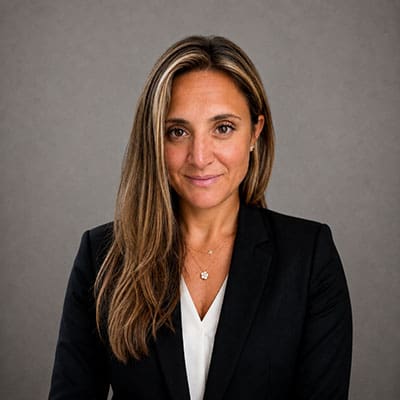 Dr. Christina M. Sanford, DrOT, OTR/L, Full-Time Faculty (Program Director)
Dr. Christina M. Sanford earned her Doctor of Occupational Therapy and Master of Occupational Therapy degrees from Nova Southeastern University. Her clinical experience includes inpatient rehabilitation and acute care, where she worked with adult and geriatric populations experiencing orthopedic and neurological conditions. She has served on Institutional Review Boards at both Broward Health and Keiser University and has participated in interdisciplinary committees focused on stroke, spinal cord injury, and traumatic brain injury. Since joining the Keiser University Master of Science in Occupational Therapy (MSOT) Program in 2016, Dr. Sanford has been committed to preparing the next generation of occupational therapists through evidence-based teaching, mentorship, curriculum development, and program innovation. Her academic and administrative experience includes student success initiatives, accreditation and compliance processes, faculty development, assessment, and program management. As an educator and leader, Dr. Sanford is passionate about fostering a culture of professionalism, lifelong learning, and compassionate, client-centered care. She is dedicated to advancing the occupational therapy profession by supporting students, faculty, and academic programs in achieving excellence and reaching their highest potential. Dr. Sanford is an active member of the American Occupational Therapy Association (AOTA).
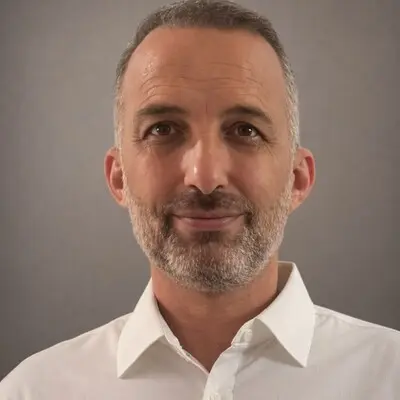 Dr. Husny Amerih, PhD, OTR/L, CKTI (Full-time Faculty)
Dr. Amerih practiced as an occupational therapist for 29 years. He is an expert clinician with advanced training in Assistive Technology, Kinesiology, Mental health, Physical agent modalities, and Lymphedema. He worked as OT at various local hospitals and rehabilitation centers. Dr. Amerih has also worked as an OT Professor and Program Director. He brings 14 years of full-time academic experience, including teaching, administration, and faculty and program management. Dr. Amerih developed curricula and syllabi for multiple introductory and advanced courses at the bachelor, master, and doctoral levels. He has mentored many junior faculty and multiple doctoral students and conducted more than 27 peer-reviewed publications at local, national, and international venues.
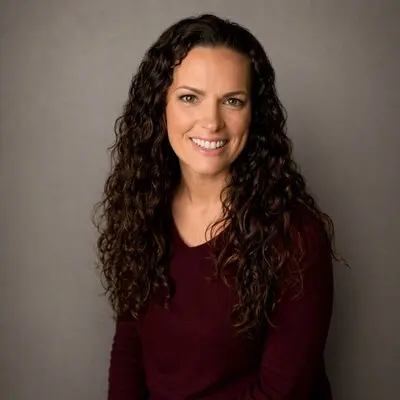 Dr. Jennifer P. Moffitt, OTD, MOT, OTR/L (Full-time Faculty)
Dr. Moffitt has extensive pediatric experience, working with children from NICU through transitional services, in all settings such as outpatient clinics, home health, school-based, and hippotherapy. She also has many years of experience treating adults in acute care hospital settings, working in trauma, neuro, ICU, and orthopedic care. Dr. Moffitt received her Doctorate in Occupational Therapy from Marymount University in 2025, and her Masters in Occupational Therapy from Nova Southeastern University in 2010. She lives in South Florida with her husband and two sons, and enjoys reading, writing, and yoga.
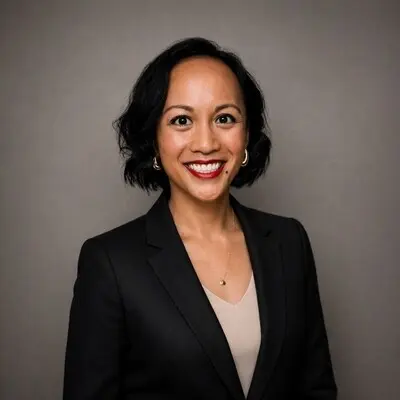 Dr. Laura A. Reyes, OTD, MOT, OTR/L (Full-time Faculty)
Dr. Laura A. Reyes is the Academic Fieldwork Coordinator for Keiser University Ft. Lauderdale’s MSOT Bridge Program and has been in this role since the program’s first cohort. Dr. Reyes received her Master’s in Occupational Therapy from Nova Southeastern University and her Doctorate in Occupational Therapy from the University of St. Augustine. For her doctoral capstone, Dr. Reyes was able to create alternative community-based occupational therapy options for Level II Fieldwork experiences in response to how the pandemic impacted student placements. Her passion for working with the medically complex population and assistive technology has resulted in the opportunity to speak nationally. As the Academic Fieldwork Coordinator, Dr. Reyes works with community affiliates on establishing and enhancing their organization’s fieldwork programs and mentoring students.
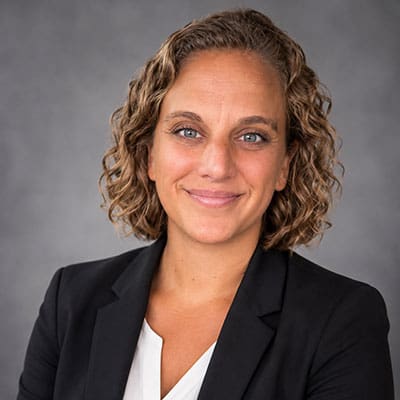 Catherine Somers, MSOT, OTR/L (Academic Fieldwork Coordinator)
Professor Somers earned her Master of Occupational Therapy degree from Keiser University in 2021. She has almost 10 years’ combined experience as an occupational therapy assistant and occupational therapist in school-based pediatrics with additional experience in outpatient pediatrics and adult rehabilitation in skilled nursing facilities. Catherine is most passionate about reflex integration therapy, which fueled her Master’s Capstone and additional professional development in Masgutova Neurosensorimotor Reflex Integration (MNRI), Ready Body Learning Minds, and Brain Body Mapping. Prior to assuming the Academic Fieldwork Coordinator role, Catherine served as an Occupational Therapist and Fieldwork Educator for Pinellas County Schools, where she supervised and mentored Level I and Level II occupational therapy and occupational therapy assistant students, collaborated with university fieldwork coordinators, and provided evaluation, coaching, and professional development support. She has also contributed to occupational therapy education through guest lectures, continuing education presentations, and staff training initiatives.Catherine earned her Master of Science in Occupational Therapy from Keiser University, graduating with a 4.0 GPA and receiving multiple honors for academic excellence, leadership, and fieldwork performance. As a former President and Vice President of the Student Occupational Therapy Association, she developed a strong commitment to leadership, mentorship, and student success.In her role as Academic Fieldwork Coordinator, Catherine is dedicated to cultivating meaningful academic-clinical partnerships, supporting student professional growth, and ensuring high-quality fieldwork experiences that prepare future occupational therapy practitioners for successful and impactful careers.
MSOT Fort Myers Campus
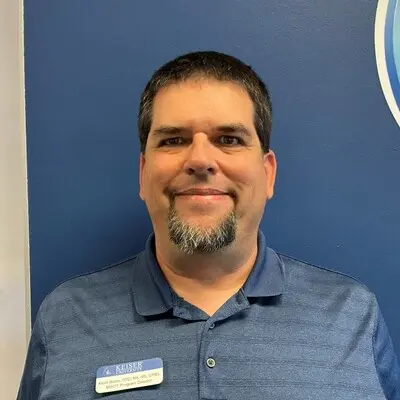 Kevin Bobos, OTD, MA, MS, OTR/L (MSOT Program Director)
Dr. Bobos serves as Program Director for the Master of Science in Occupational Therapy program at Keiser University – Fort Myers campus. Dr. Bobos has a BS in Fitness/Exercise Science; MA in Physical Education; MS in Occupational Therapy; and a Doctorate in Occupational Therapy. Dr. Bobos has worked in every clinical practice setting as an occupational therapist. He has taught At Gannon University and South University in their OTD program, at St. Augustine University in the MSOT program and was the Academic Fieldwork Coordinator and Assistant Professor at South University in their OTA program. Dr. Bobos’ clinical passions are orthopedics, neurology, and hands.
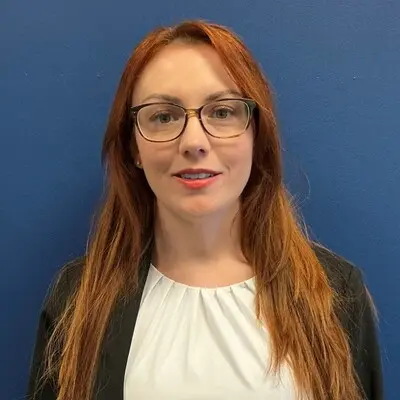 Dr. Sarah Cernat, OTD, OTR/L (Academic Fieldwork Coordinator/Full-time Faculty)
Dr. Cernat serves as faculty and academic fieldwork coordinator for the Master of Science in Occupational Therapy program at Keiser University – Fort Myers campus. Dr. Cernat has a BS in Human Biology with a specialization in Bioethics, Humanities and Society from Michigan State University and a Doctorate in Occupational Therapy from Nova Southeastern University, graduating with highest scholastic achievement. Dr. Cernat has published an NHS NIH registered systematic review in Revista Argentina de Terapia Ocupacional and completed various presentations at Florida Occupational Therapy Association Annual Conferences. Dr. Cernat has varied experience in clinical work specializing in geriatrics, low vision rehabilitation, and pelvic floor therapy.
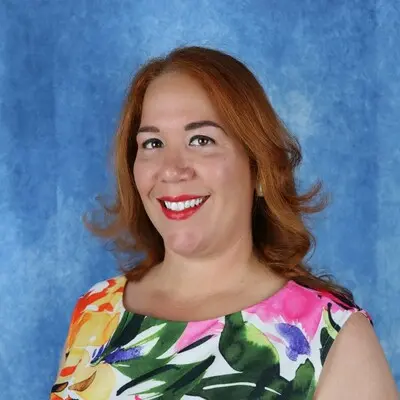 Dr. Lisbet Montero, OTR/L, ASDCS, CPRCS (Full-time Faculty)
Dr. Montero has over 7 years of experience in the pediatric occupational therapy field, including early intervention and pediatric outpatient services. She also has experience in skilled nursing facilities and home health settings with adults and the geriatric population. She attained her occupational therapy clinical doctorate (OTD) at Nova Southeastern University and a Bachelor of Arts in Psychology from Florida International University. Dr. Montero is a Certified Autism Spectrum Clinical Specialist and a Certified Primitive Reflex Clinical Specialist. She also completed the SOS Mentorship and is a Qigong Massage Trainer. Dr. Montero is the founder and CEO of Mindful Occupational Therapy, an outpatient clinic in Lee County serving children and adolescents with various conditions, including but not limited to autism, attention-deficit/hyperactivity disorder (ADHD), oppositional defiant disorder (ODD), Down syndrome, cerebral palsy, complications related to prematurity, and other developmental disorders.
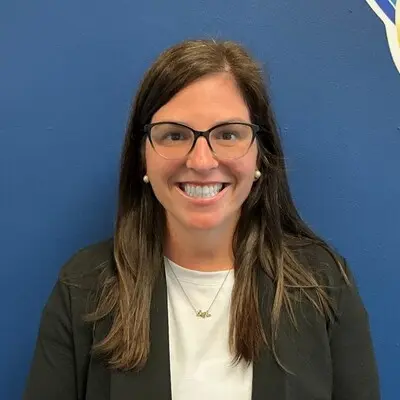 Dr. Megen Myers, OTD, OTR/L (Full-time Faculty)
Dr. Myers is an occupational therapist with more than 11 years of experience working with adults and older adults. She earned her Bachelor of Science in Psychology from Ashland University in 2011, a Master of Science in Occupational Therapy from Gannon University in 2014, and a Doctor of Occupational Therapy from Chatham University in 2017. Her clinical expertise is in adult and geriatric rehabilitation, with special training in Parkinson’s disease treatment as an LSVT BIG–certified therapist. She is also actively involved in volunteer work supporting the senior community. Dr. Myers has completed research on technology use among older adults and is currently studying maternal mental health, with a focus on “mom guilt” and role identity in mothers. She has been a faculty member with the Keiser University Master of Science in Occupational Therapy (MSOT) program since 2022.
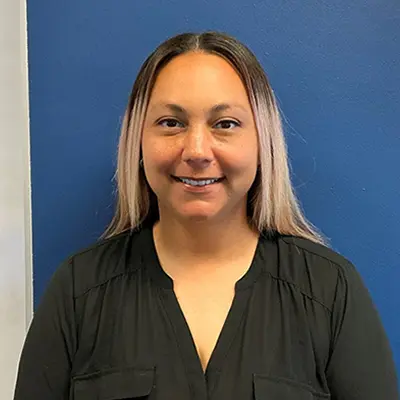 Dr. Cassandra Gehret, OTD, OTR/L, CLT (Full-time Faculty)
Dr. Gehret is a Professor in the Master of Science in Occupational Therapy program at Keiser University – Fort Myers Campus. She began her academic career as an adjunct professor for fieldwork placement before transitioning to full-time faculty in March 2025. An experienced clinician, she has practiced across acute care, skilled nursing, memory care, NICU, outpatient pediatrics, home health, and rehabilitation settings. Dr. Gehret earned her OTD from the University of Montana (2025), MSOT from Keiser University Fort Lauderdale (2019), and OTA from Keiser University Tampa (2014). Her professional interests include curriculum design for fieldwork readiness, integration of therapeutic use of self, and innovative strategies to promote cognitive and functional engagement in diverse client populations.
MSOT Jacksonville Campus
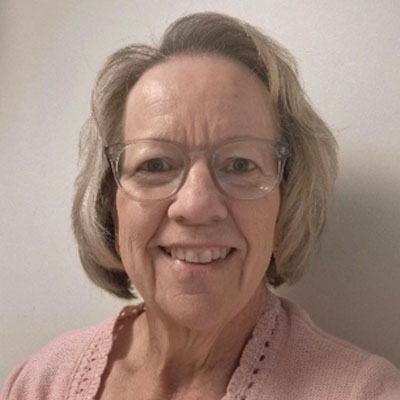 Dr. Cindy Erb, OTD, MSH, OTR/L, CNDT, CLT (Program Director)
Dr. Erb serves as Program Director for the Keiser University MSOT Bridge Program in Jacksonville. She teaches courses in professional development, leadership, evidence-based practice, and emerging areas of occupational therapy while supporting students throughout their academic and professional journey.Dr. Erb earned her Doctor of Occupational Therapy (OTD) degree from South University in West Palm Beach, Florida, and a Master of Science in Health Services Administration (MSH) from Cardinal Stritch University in Milwaukee, Wisconsin. She also holds both an Associate Degree and Bachelor of Science degree in Occupational Therapy, reflecting her commitment to lifelong learning and professional advancement.With over 30 years of clinical experience, Dr. Erb has practiced in diverse settings including neurorehabilitation, orthopedics, hand therapy, driver rehabilitation, oncology, and lymphedema management. Her transition into higher education began as an adjunct instructor and continuing education provider, and she has since held academic appointments across multiple states, contributing to curriculum development, program leadership, accreditation, and student mentorship.Dr. Erb’s scholarly interests focus on expanding occupational therapy practice and supporting innovation within the profession. Her current research and mentoring activities include driver rehabilitation, virtual reality applications in stroke recovery, occupational therapy protocols for concussion management, military trauma, and the development of emerging practice areas through student capstone projects.
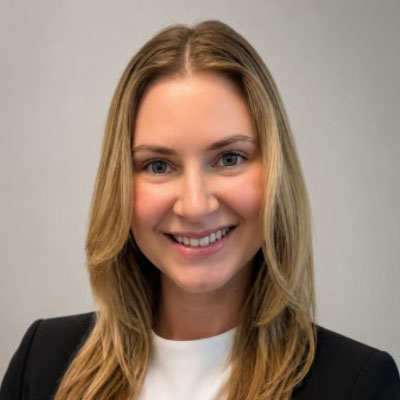 Kendyl Beuttenmuller, OTD, OTR/L, PPCC, AMHC (Full-time Faculty)
Dr. Beuttenmuller earned her Doctor of Occupational Therapy (OTD) degree from the University of St. Augustine for Health Sciences.Dr. Beuttenmuller has worked across different settings to include inpatient care, outpatient pediatrics, and sensory integration therapy for the pediatric population. She has also worked as a Center Manager for a large outpatient clinic with adult and pediatric PTs, SLPs, and OTS. She currently holds credentials in Pediatric Post Concussion Syndrome and Adult Mental Health.Dr. Beuttenmuller gained research experience through her doctoral capstone, during which she implemented an educational program for parents and caregivers of children with sensory processing deficits. This experience also prepared her to mentor other OTD students as they developed and wrote their capstone projects.
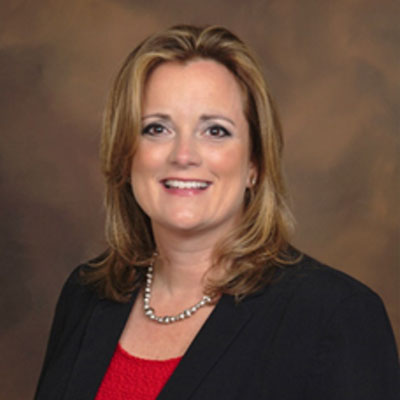 Dr. Pamela Howe, PhD, OTD, OTR/L (Full-time Faculty)
Dr. Howe is a faculty member at Keiser University’s Jacksonville campus, where she teaches adult evaluation and intervention, research ethics, policy, and administration. With more than 20 years of experience in higher education, Dr. Howe is passionate about preparing students to become thoughtful, skilled, and engaged occupational therapists who are ready to navigate the complexities of today’s healthcare environment.Throughout her academic career, Dr. Howe has developed curriculum for associate, master’s, and doctoral-level programs and has served in leadership roles including Program Director, Academic Fieldwork Coordinator, and Doctoral Capstone Coordinator. She has also served as an AOTA Doctoral Capstone Mentor, Chairperson of the Florida Occupational Therapy Education Consortium (FLOTEC), and Florida Occupational Therapy Association Special Interest Section Chair for Fieldwork and Capstone Education.Dr. Howe has presented and published at state, national, and international venues on topics including fieldwork education, doctoral capstone education, ethics, leadership, and higher education. She holds a PhD in Public Policy and Administration, and her professional interests include occupational therapy education, ethical leadership, experiential learning, disability inclusion, and the development of future practitioners.
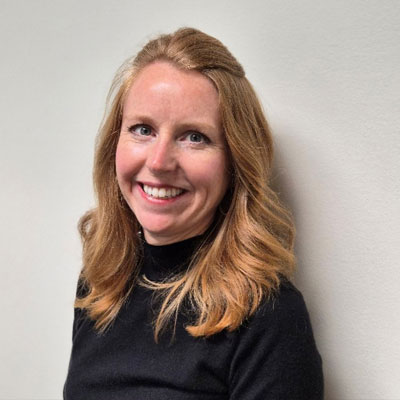 Erin Tyre, MSOT, OTR/L (Academic Fieldwork Coordinator)
Professor Tyre earned her Master of Science in Occupational Therapy and Bachelor of Science degrees from Brenau University in Gainesville, GA in 2010.Professor Tyre continues to have a vibrant clinical career alongside her academic fieldwork coordinator position. She began her clinical career in adult orthopedics and later moved into pediatrics. She has practiced in outpatient, acute care, school-based, early intervention, and home health. The academic fieldwork coordinator position is her first appointment in academia, and she enjoys bridging the didactic curriculum to the clinical setting to prepare students for a successful transition. Professor Tyre has taken extensive courses in Neurodevelopmental Treatment, Sensory Integration, and feeding techniques, and she draws upon this knowledge and her clinical experience to bring meaningful, real-world application into the classroom. Her teaching philosophy combines experiential, student-centered, and transformative learning within a hybrid educational model. She believes students learn best when they actively engage with course content, connect new knowledge to authentic clinical situations, and reflect on their experiences.
MSOT Miami Campus
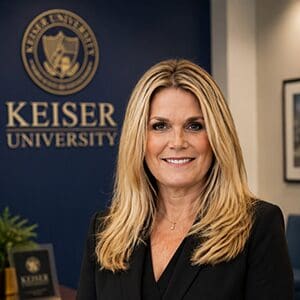 Dr. Tara Casimano PhD, OT/L (Program Director)
Dr. Tara Casimano brings over 35 years of expertise spanning pediatric occupational therapy, academic administration, scholarship, mentorship, and leadership within the profession. Her clinical expertise spans the continuum of pediatric care, including NICU, early intervention, school-based practice, orthopedic rehabilitation, and transitional services. She has worked as an early intervention provider, school-based therapist, and senior pediatric therapist in a renowned orthopedic hospital in New York City. For nearly 30 years, Dr. Casimano served as both professor and director of an occupational therapy program at a private college in New York, where she mentored future practitioners, scholars, and leaders in the profession. She has also served as an expert reviewer and expert witness, supporting client safety, ethical practice, and quality healthcare outcomes. Throughout her career, she has demonstrated a strong commitment to scholarship, mentorship, leadership, professional service, and academic excellence. Dr. Casimano earned her bachelor’s and master’s degrees in Occupational Therapy from the University of Florida and her PhD from Trident University International in Cypress, California. She holds advanced certification in Neurodevelopmental Treatment (NDT) and is Board Certified in Pediatrics (BCP) through the American Occupational Therapy Association. Dr. Casimano calls both Long Island, New York, and Naples, Florida, home. In her free time, she enjoys watching college sports, playing beach volleyball and pickleball, traveling, and spending time with her four adult children and beloved fur babies.
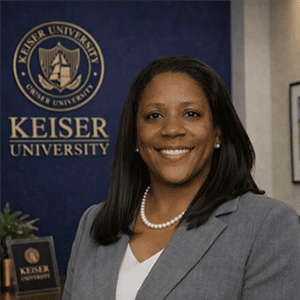 Dr. Melanie Austin, DOT, MPA, OTR/L, CPC (Full-time Faculty)
Dr. Austin brings over 25 years of clinical, academic, and professional experience, specializing in community-based mental health, lifestyle wellness, and health promotion program development. Dr. Austin has served as a professor at the undergraduate, graduate, and doctoral level and founding program director of a thriving online doctoral program. She is passionate about teaching and empowering students and clinicians seeking to promote health, educate, and lead, to make a meaningful impact for individuals, communities, organizations, and societal health. Dr. Austin explores research and conducts presentations on the benefits of having a sense of purpose in life for meaningful success and well-being. She is a Certified Professional Coach (CPC), earned a Post-Professional Doctorate in OT (DOT), Temple University, PA, Masters in Public Administration (MPA), Baruch College, CUNY, and Bachelor of Science in OT (BSOT), NYIT, NY, where she also served as a professor, Faculty Athletics Representative, and former student-athlete track and field NCAA All American. She is a mom, grandmom, enjoys nature, inspirational crafting, listening to music, and facilitating wellness & empowerment workshops for girls and women.
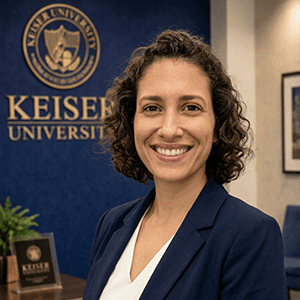 Dr. Stephanie Ye, OTD, OTR/L, CHT, CMOT, CSCS (Full-time Faculty)
Dr. Ye joins the university faculty with over a decade of specialized experience in orthopedic and hand therapy. She worked in outpatient hand therapy within hospital and private settings, such as in sports medicine clinics and directly with hand surgeons. Her volunteer work as an elected board member on the American Society of Hand Therapists’ (ASHT) Upper Extremity Institute highlight her commitment to education, evidence-based practice, and peer mentorship. Dr. Ye is also an online educator for students and OT/PTs on an online CEU course platform as part of their Hand, Upper Extremity, and Orthopedics Series. Dr. Ye received her bachelor’s and master’s degree in Occupational Therapy from the Florida International University and her OTD from Eastern Kentucky University. She holds advanced certifications as a Certified Hand Therapist (CHT), Certified Manual Occupational Therapist (CMOT), and Certified Strength and Conditioning Specialist (CSCS). Prior to becoming an occupational therapist, Dr. Ye was a competitive bodybuilder and personal trainer. These experiences fuel her lifelong passion for health and wellness. Outside of the classroom, she is an at-home potter, avid reader, and mother to her children and five pets.
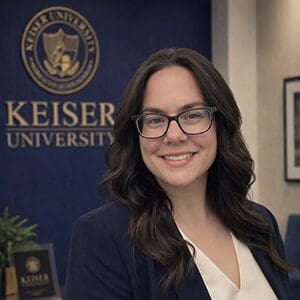 Marisa Oberstein MS, OTR/L (Academic Fieldwork Coordinator)
Ms. Oberstein brings over 20 years of multidisciplinary healthcare experience to occupational therapy education, with degrees in Occupational Therapy (MS, Nova Southeastern University), Healthcare Administration (BS, Florida International University), Nursing (AA, Miami Dade College), and Massage Therapy (Florida College of Natural Health). Her clinical background includes pediatric occupational therapy across outpatient clinics, schools, PPECs, and skilled nursing, supporting children and young adults with autism, ADHD, sensory processing challenges, early intervention, and mental health needs. As an Academic Fieldwork Coordinator, she mentors students through the transition from classroom to clinical practice. Ms. Oberstein views fieldwork as a transformative journey, emphasizing self-awareness, emotional intelligence, and reflective practice to shape empathetic, confident therapists. Areas of expertise include executive functioning, school-based OT, maternal and mental health, sensory integration, sexuality in OT, family collaboration, advocacy, and interprofessional teamwork.

Students First Philosophy
Featuring a “Students First” mentality, Keiser University is committed to providing the education students need to excel in their careers and their lives—whether that is in this occupational therapy bridge program or one of our many healthcare graduate degree programs. Our commitment to putting students first leads us to offer several learning options, including the hybrid delivery format.
From evidence-based assessment and neuroanatomy to specialized intervention for pediatric, geriatric, and mental health populations, this ACOTE-accredited occupational therapy bridge program offers occupational therapy assistants the advanced clinical education and supervised fieldwork experiences needed to become Occupational Therapist Registered (OTR) professionals, expanding their scope of practice and deepening their impact across the full range of occupational therapy settings.

Know Your "WHY" Commit to Graduation
Pursue a career as a qualified occupational therapist by building on the clinical foundation you have already established as an occupational therapy assistant, with a bridge program designed to advance your assessment skills, clinical reasoning, and evidence-based practice. Through advanced coursework and supervised fieldwork in diverse clinical settings, you will develop the expertise to practice at the highest level of the occupational therapy profession.
From helping children reach developmental milestones and supporting adults through injury recovery to enabling older adults to maintain independence, or leading occupational therapy departments, you will develop a solid foundation for making a lasting impact on the individuals, families, and communities you serve.
Program Outline
Hybrid
Master of Science in Occupational Therapy Bridge Program Courses
The Master of Science in Occupational Therapy at Keiser University builds upon your existing occupational therapy assistant education and clinical experience. This occupational therapy program prepares you to practice as an Occupational Therapist Registered (OTR) across diverse practice settings and patient populations. Through advanced coursework in neuroanatomy, functional anatomy, evidence-based practice, and specialized intervention strategies for mental health conditions and physical disabilities, you gain the clinical reasoning skills to perform comprehensive evaluations, develop complex treatment plans, and provide mentorship within occupational therapy departments.
To receive a Master of Science degree in Occupational Therapy, students must earn 75 program-specific semester credit hours, inclusive of: Pre-requisite/Co-requisite courses, Associate of Science in Occupational Therapy Assistant degree courses (83 semester credit hours), upper-division undergraduate courses, and graduate courses.
Graduate Division Courses
| Master of Science in Occupational Therapy Upper Division Undergraduate Core Courses (24.0 credit hours) | |
|---|---|
| OTH3000 – Foundations of Occupational Therapy | 4.0 credit hours |
| OTH3036 – Occupational Perspective on Health | 4.0 credit hours |
| OTH4517 – Health Care Management | 4.0 credit hours |
| OTH4035 – Occupational Perspective on Health II | 4.0 credit hours |
| OTH3413 – Functional Human Motion | 4.0 credit hours |
| OTH4759 – Evidence-based Approaches in Occupational Therapy | 4.0 credit hours |
Upon completion of the above requirements, inclusive of pre-requisites and equivalent to 120.0 semester credit hours, a Bachelor of Science degree in Occupational Health will be awarded.
| Master of Science in Occupational Therapy Graduate Core Courses (51.0 credit hours) | |
|---|---|
| OTH5202 – Occupation-Based Assessments: Children and Adolescents | 4.0 credit hours |
| OTH5203 – Occupation-Based Assessments: Adults and Older Adults | 3.0 credit hours |
| OTH5245 – Neuroanatomy for Occupational Therapy | 4.0 credit hours |
| OTH5352 – Occupational Therapy Process: Mental Health | 4.0 credit hours |
| OTH5428 – Occupational Therapy Process: Physical Disabilities | 4.0 credit hours |
| OTH5853 – Field Work Level I, part 1 (Adults) | 3.0 credit hours |
| OTH5854 – Field Work Level I, part 2 (Pediatric/Adolescent) | 3.0 credit hours |
| OTH5604 – Occupational Therapy Process: Geriatric | 4.0 credit hours |
| OTH5519 – Occupational Therapy Process: Pediatric | 4.0 credit hours |
| OTH6770 – Applied Research in Occupational Therapy | 2.0 credit hours |
| OTH6937 – Fieldwork Seminar I | 2.0 credit hours |
| OTH6941 – Fieldwork Level II, part I | 6.0 credit hours |
| OTH6938 – Fieldwork Seminar II | 2.0 credit hours |
| OTH6942 – Fieldwork Level II, part II | 6.0 credit hours |
The MSOT program 16-week semesters are each comprised of two eight-week terms, exclusive of fieldwork semesters. Students are scheduled for two courses concurrently, each 8 weeks, except for the first semester. In the first semester students will take one (1) course per eight-week term.
The on-line component of each course is asynchronous and synchronous in nature; however, students are required to attend scheduled practical laboratories on-campus approximately one (1) weekend per month (Fridays and Saturdays).
If you’re someone who cares about…
Helping people reclaim their independence, valuing meaningful connections with patients, and seeking a career where every day brings new challenges and victories,
a master’s degree in occupational therapy might fit your life goals.
Prospective occupational therapists combine empathy with problem-solving abilities. They possess the patience to work through complex rehabilitation processes and the creativity to adapt interventions for each unique individual.
Whether your passion centers on helping children reach developmental milestones through pediatric occupational therapy or supporting adults recovering from injuries in clinical settings, this path equips you to transform daily struggles into celebrated achievements.


Top 100 Hispanic-Serving Institutions
(2024, Hispanic Outlook on Education Magazine)

Best Online Ph.D. in Educational Leadership (No. 2) & Organizational Psychology (No. 3)
(2024, Forbes)

#2 Best 4-year graduation rates, private, nonprofit, nonresidential
(2023, The Chronicle of Higher Ed.)
Career Pathways in Occupational Therapy
Graduates of Keiser University’s occupational therapy master’s program qualify to sit for the National Board for Certification in Occupational Therapy (NBCOT) national certification examination. After passing this certification exam and obtaining state licensure, you can practice as an Occupational Therapist Registered (OTR). This advanced credential opens leadership positions within healthcare systems, opportunities to precept occupational therapy assistants during supervised fieldwork, and specialized clinical practice areas including hand therapy, neurorehabilitation, and pediatric occupational therapy intervention.
- Acute care hospitals providing evidence-based interventions
- Inpatient rehabilitation facilities
- Outpatient clinics specializing in various clinical practice areas
- Home health services for older adults
- Skilled nursing facilities focusing on geriatric care
- Pediatric occupational therapy developmental centres
- Mental health treatment centres addressing mental health conditions
- Community health programs
- Private clinical practice
- Therapy department management
- Program development roles in health professions
Why Choose Keiser University?

Gain Job-Ready Skills for an Occupational Therapy Career:
- Advanced assessment techniques for diverse populations
- Evidence-based intervention planning across clinical settings
- Neuroanatomical and functional anatomy foundations of movement
- Pediatric occupational therapy developmental strategies
- Geriatric rehabilitation approaches for older adults
- Mental health intervention methods for mental health conditions
- Supervised fieldwork supervision and mentoring of occupational therapy assistants
- Healthcare program management for various practice settings
- Research literacy and application of evidence-based practice
- Treatment plan development for diverse patient needs
- Clinical decision-making using the occupational therapy process
Keiser University offers career-focused occupational therapy degrees designed to support working adults, traditional students, and career changers. With on-campus, online, and hybrid learning options, experienced faculty, and comprehensive student support, Keiser helps learners achieve their career goals at all levels of health professions education.
Accredited University
Keiser University is accredited by the Southern Association of Colleges and Schools Commission on Colleges (SACSCOC), ensuring your education meets rigorous academic standards.
One Class at a Time
Take one or two classes at a time and balance school with work and family. Enjoy personalized attention through our small classes and student-first approach.
Financial Services
We’re here to help guide you through the financial aid process and provide assistance. Scholarships and financial aid are available for students who qualify.
See What Sets Keiser Graduate School Apart
At Keiser University Graduate School, you’ll find more than an advanced degree; you’ll find a supportive community dedicated to your success. Students benefit from personalized attention, meaningful relationships with faculty, and a culture that values them as individuals, not just numbers. With guidance, encouragement, and resources designed to help you achieve your goals, Keiser provides an environment where you can grow professionally, develop personally, and confidently take the next step in your career. The focus is on your learning and your success because your future matters.
Student Testimonials
At Keiser University, we are here to help you succeed by providing the professional and academic foundation to meet your educational goals and objectives.
Take the Next Steps for Your Career in Occupational Therapy

How to Apply
- Submit your online application.
- Speak with an admissions advisor.
- Provide transcripts or transfer credits.
- Enroll and choose your start date.
📞 Speak to Your Advisor: 1-888-753-4737
Keiser University’s occupational therapy program serves occupational therapy assistants ready to advance their clinical practice through graduate education in the health sciences. The hybrid format combines the flexibility needed by working professionals with the hands-on skill development essential for occupational therapy practice. You gain advanced assessment skills, evidence-based interventions, and leadership capabilities while maintaining your current employment. Whether you aspire to expand your clinical expertise, mentor future occupational therapy assistants, or influence program development within your organization, Keiser provides the occupational therapy education and credentials needed to make a lasting impact in the occupational therapy profession.
Top Questions About Earning an Occupational Therapy Master’s Degree
Can I complete this occupational therapy program while working full time?
Yes. The occupational therapy master’s programs use a hybrid format specifically designed for working occupational therapy assistants. Online coursework runs asynchronously, allowing you to study during hours that fit your schedule. On-campus laboratories occur approximately one weekend per month, and many students arrange their work schedules to accommodate these sessions. Level II fieldwork placements happen during the final semesters of the graduate program.
What makes this different from an entry-level occupational therapy program?
This bridge program builds on your existing occupational therapy education and clinical experience. You receive credit for your associate degree coursework and begin directly with upper division undergraduate and graduate level content. Entry-level master’s programs start from the beginning and take significantly longer to complete. This program recognizes your professional foundation and advances your scope of practice more efficiently.
Will my OTA program credits transfer?
Credits from ACOTE-accredited occupational therapy assistant programs transfer into the occupational therapy master’s programs. Your OTA associate degree satisfies the lower division requirements, allowing you to begin with upper division undergraduate courses. Candidates must achieve a minimum 3.0 GPA (on a 4.0 scale) with no grade less than C for all pre-requisite courses. Any pre-requisite courses taken prior to admission to the MSOT program must have been completed at an institution accredited by the U.S. Department of Education (USDOE).
Can I receive credit for courses completed at another institution?
Keiser University’s Graduate School welcomes transfer credits from accredited institutions, subject to evaluation and approval. Key transfer credit policies include:
- Master’s degree students may transfer up to 12 graduate-level credits (master’s or doctoral level) from an accredited college or university, provided the courses are equivalent to relevant Keiser University courses.
- Doctoral degree students may transfer up to 18 graduate-level credits (master’s or doctoral level) with evaluation and approval.
- Undergraduate credits are not transferable to graduate-level programs.
- Credits from non-accredited institutions that are substantially equivalent in content may be granted on a course-by-course basis.
- Transfer credits from non-U.S. institutions are evaluated through an approved educational evaluator service confirming equivalency to coursework at a U.S. accredited institution.
- Acceptable courses must be equivalent to a grade of B or higher; courses with a Pass or Satisfactory grade may be considered at the discretion of the Dean.
Credit transfer benefits: students who have earned credits at other institutions may be able to apply them toward their degree, helping reduce overall tuition costs and time to completion. Credit transfer is subject to evaluation and approval. For full details, refer to the Graduate School transfer of credit FAQ and Transfer Credits Policy
Do I need to stop working to complete supervised fieldwork?
Fieldwork Level I placements integrate into your coursework and typically occur part-time over several weeks in various clinical settings. Level I fieldwork assignments with adult/pediatric/mental health experiences. Semesters V and VI are 16-week semesters. In semesters V and VI, students will complete two (2) 12- week full time clinical Level II rotations in addition to a required four (4) week fieldwork seminar in each of those semesters. During this time students have the opportunity to put into practice what they have learned in their coursework and Level I fieldwork experiences.
Many students arrange leaves of absence, use vacation time, or work with employers to maintain part-time status during these intensive clinical practice experiences. Your program coordinator helps identify supervised fieldwork sites and timing that align with your circumstances.
What happens after I graduate from the occupational therapy bridge program?
Graduates become eligible to sit for the National Board for Certification in Occupational Therapy (NBCOT) national certification examination. After passing the NBCOT exam, you receive the Occupational Therapist Registered (OTR) credential. You then apply for state licensure in your practice jurisdiction. All states, the District of Columbia, and Puerto Rico require state licensure for occupational therapy practice.
Is financial aid available for graduate school students?
Graduate students pursuing occupational therapy degrees have access to financial aid resources, including federal loans, scholarships, and tuition assistance programs. For more details, refer to the Graduate School Prospective Students FAQ.
Is the occupational therapy master program accredited?
Yes. The Master of Science in Occupational Therapy (MSOT) Bridge program at Keiser University is accredited by the Accreditation Council for Occupational Therapy Education (ACOTE) of the American Occupational Therapy Association (AOTA). View the complete Accredittaion statement listed under the program overview section of this page.
Can I take the NBCOT exam before completing state licensure?
Yes. The NBCOT national certification examination happens first. After passing the exam, you apply for state licensure. Each state maintains its own licensing board with specific requirements.
How long does the occupational therapy program take to complete?
Program length ranges from 24 to 36 months, depending on your entry point, course load, and supervised fieldwork scheduling. Students entering with all prerequisite courses met typically complete the master’s degree in approximately 30 months. Part-time enrollment options extend the timeline but provide more flexibility for working occupational therapy assistants.
How much does this master's degree cost?
Program costs include tuition, education fees, textbooks, clinical supplies, health screenings, and background checks. Click here for MSOT Bridge Program Cost of Attendance
What courses cover pediatric occupational therapy?
The pediatric content includes Occupation-Based Assessments: Children and Adolescents, Occupational Therapy Process: Pediatric, and Field Work Level I, Part 2 (Pediatric/Adolescent). These courses examine developmental assessments, intervention strategies for common childhood conditions, sensory integration principles, family-centered care, and school-based clinical practice.
What career opportunities exist beyond direct clinical practice?
Occupational therapists work in various roles beyond direct patient care, including fieldwork education coordination, program development for health systems, research positions advancing occupational science, management of therapy departments, consulting for healthcare organizations, and teaching in occupational therapy education programs. Some occupational therapists pursue doctoral degrees to advance into academic positions or specialized research roles.
This Program is Available at the Following Campuses
Fort Lauderdale
1500 Northwest 49th Street Fort Lauderdale, Florida 33309
(800) 749-4456


Fort Myers
9100 Forum Corporate Parkway Fort Myers, FL 33905
(239) 277-1336

Jacksonville
6430 Southpoint Pkwy Jacksonville, Florida 32216
(904) 296-3440

Miami
2101 NW 117th Ave. Miami, Florida 33172
(305) 596-2226